


What are the industry standard requirements for operation specifications in the field of drone application?
Industry Standard Requirements for Drone Application Field Operation Specifications
With the rapid development of drone technology, its application fields are increasingly extensive, from agricultural plant protection, logistics distribution, power inspection, to public safety, film and television aerial photography, and the application of drones is gradually penetrating into various industries. However, the rapid development of drone technology also brings a series of issues, such as safety risks, privacy protection, and operation specifications. Therefore, establishing a scientific and reasonable industry standard and standardizing the management of drone operations is of great significance for ensuring the safe application of drones.
Necessity of Drone Operation Specifications
The establishment of drone operation specifications is of great significance for ensuring the safe operation and effective application of drones. Firstly, drone operation specifications can provide clear operational guidelines for drone operators, allowing them to follow a system when performing tasks and avoid safety accidents caused by improper operation. Secondly, drone operation specifications can provide a basis for the supervision of drones, ensuring that drones operate safely within the specified range. In addition, drone operation specifications can also provide guidance for the development of the drone industry, promoting the standardized development of drone technology.
Specific Requirements for Drone Operation Specifications
Flight Safety: The operation specifications for drones require drone operators to check the status of the flying vehicle before the flight to ensure that the drone is in good condition. During the flight, drone operators must strictly comply with flight safety regulations, such as maintaining the altitude and speed of the drone within the specified range, and avoiding collisions with other flying vehicles. At the same time, drone operators must comply with the restrictions of the flight area to avoid flying in no-fly zones. In addition, drone operators must remain highly vigilant during the flight of the drone, and take immediate measures to ensure a safe landing if any abnormal conditions are found.
Data Security: The operation specifications for drones require drone operators to encrypt the data collected by the drone during the flight to prevent data leakage. At the same time, drone operators must classify and manage the data collected by the drone to ensure the security and confidentiality of the data. In addition, drone operators must regularly back up the data collected by the drone to prevent data loss.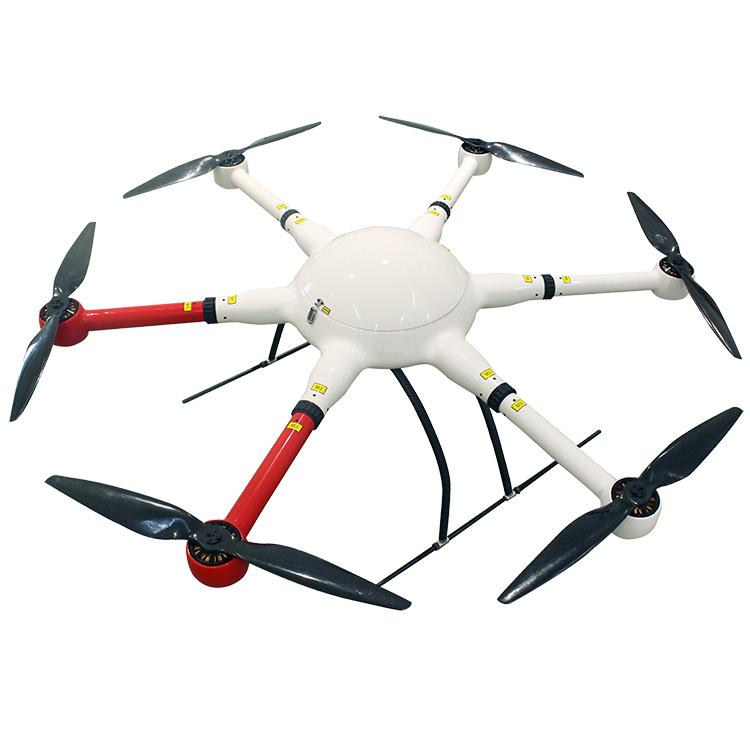
Privacy Protection: The operation specifications for drones require drone operators to strictly comply with privacy protection regulations during the flight of the drone, to avoid infringing on the privacy of others. Specifically, drone operators must inform the subjects to be photographed in advance that the drone will photograph them, and promptly delete the recorded data after the shooting is completed. In addition, drone operators must conduct privacy assessments of the drone flight area to avoid flying drones in sensitive areas.
Operational Process: Operational specifications for drones require that operators formulate detailed operational plans before the flight of drones, specifying parameters such as the flight route, altitude, and speed of the drone. In addition, operators must monitor the flight status of drones in real-time during the flight to ensure flight safety. Furthermore, operators must analyze flight data after the completion of the flight to evaluate the effectiveness of the flight.
3. The requirements of industry standards for operational specifications of drones
The requirements of industry standards for operational specifications of drones mainly include the following aspects:
Flight Safety: Industry standards require that operators conduct a pre-flight check of the drone's status to ensure that the drone is in good condition. During the flight, operators must strictly comply with flight safety regulations to avoid collisions with other aircraft. At the same time, operators must comply with restrictions on flight areas to avoid flying in no-fly zones. In addition, operators must remain highly vigilant during the flight of drones and take immediate measures to ensure safe landing if any abnormal conditions are detected.
Data Security: Industry standards require that operators encrypt the data collected by drones during the flight to prevent data leakage. At the same time, operators must classify and manage the data collected by drones to ensure the security and confidentiality of the data. Furthermore, operators must regularly back up the data collected by drones to prevent data loss.
Privacy Protection: Industry standards require that operators strictly comply with privacy protection regulations during the flight of drones to avoid infringing on the privacy of others. Specifically, operators must inform the subjects to be photographed before the flight that drones will be used to photograph them, and delete the captured data in a timely manner after the shooting is completed. In addition, operators must conduct privacy assessments of the flight area of drones to avoid flying in sensitive areas.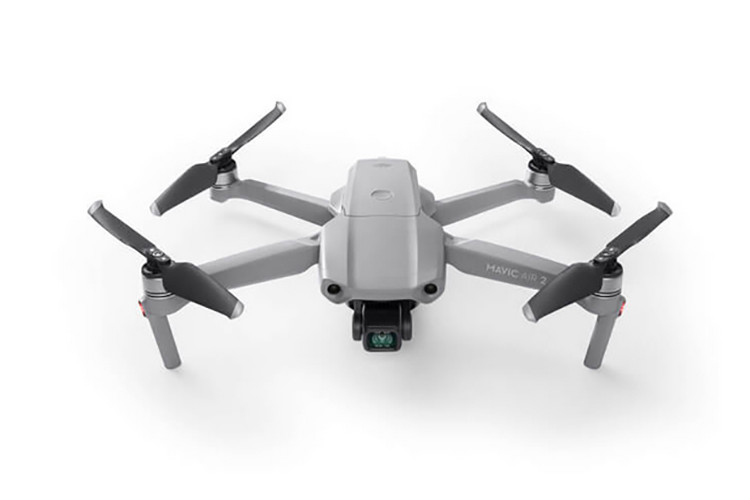 @@@@@@@@@@@@@@@@@@@@@@
Operational Process: Industry standards require that drone operators formulate detailed operational plans before the flight of drones, specifying parameters such as the flight route, altitude, and speed of the drone. In addition, operators must monitor the flight status of drones in real-time during the flight to ensure flight safety. Furthermore, operators must analyze flight data after the completion of the flight to evaluate the effectiveness of the flight.
In summary, the establishment of operational specifications for drones is of great significance for ensuring the safe operation and effective application of drones. The requirements of industry standards for operational specifications of drones mainly include flight safety, data security, privacy protection, and operational processes. Operators of drones must strictly comply with operational specifications for drones to ensure the safe operation of drones. At the same time, the drone industry needs to continuously improve operational specifications for drones, promoting the standardized development of drone technology.
 What are the teaching contents to cultivate emergency response capabilities in drone training?
 What are the key technical points of weapon carriage and firing for drones in military strike missions?
 How to adjust shooting parameters during drone shooting to obtain high-quality images?
What are the industry standard requirements for operation specifications in the field of drone application?
How to adjust shooting parameters during drone shooting to obtain high-quality images?
What are the industry standard requirements for operation specifications in the field of drone application?