


How to adjust shooting parameters during drone shooting to obtain high-quality images?
Drones shooting is a fast, flexible, and efficient image acquisition method, widely used in many fields such as aerial photography, photography, architecture, agriculture, surveying and mapping, and rescue. To ensure the quality of the images shot with drones, it is crucial to adjust the shooting parameters reasonably. The following will introduce some methods to adjust shooting parameters during drone shooting to obtain high-quality images.
1. Choose the appropriate flight height and angle
Flight height: It is usually recommended to fly at an altitude of about 100 meters, but the specific height needs to be flexibly adjusted according to shooting needs and drone models. Flying too low will be affected by ground obstacles, affecting image quality, while flying too high will increase the difficulty of flight and safety hazards.
Flight angle: Drones should try to maintain a vertical shooting angle to the ground to reduce image distortion and distortion. When shooting scenes such as buildings and city landscapes with high verticality requirements, it is particularly important to ensure the accuracy of flight height and angle.
2. Adjust flight speed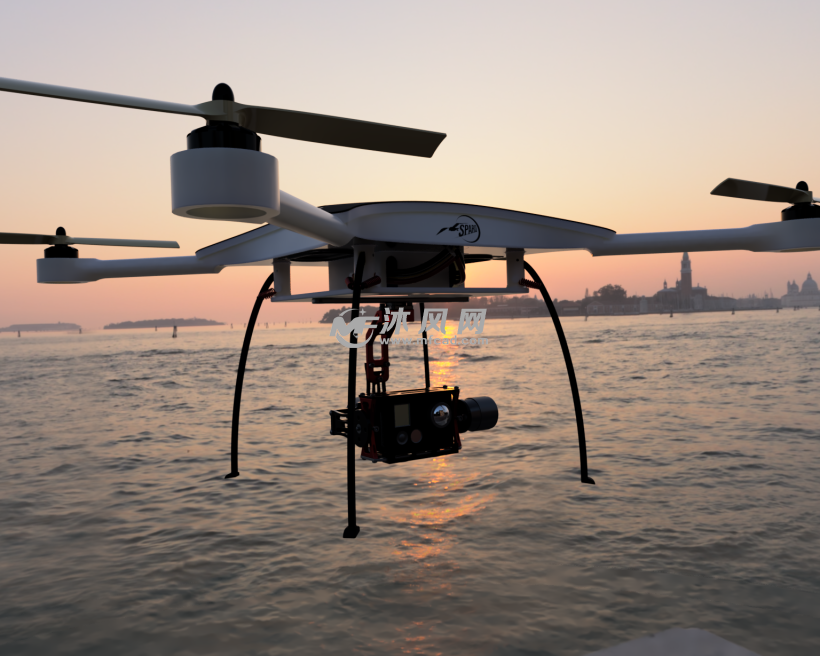
Flight speed: Flight speed has a direct impact on the clarity of the image. Generally, it is recommended to maintain a flight speed of 3-7 meters per second to ensure shooting efficiency and reduce vibration during the flight. For scenes that require precise shooting, you can appropriately reduce the flight speed.
3. Adjust camera settings
Aperture: The size of the aperture directly affects the depth of field and the amount of light passing through. A larger aperture (smaller f-value) can provide a greater depth of field, but it will reduce the amount of light; a smaller aperture (larger f-value) will increase the amount of light, but the depth of field will be smaller. Choose the appropriate aperture value according to shooting needs.
ISO: The higher the ISO value, the higher the sensitivity of the sensor to light, but it will also increase noise. In sufficient light, try to reduce the ISO value to reduce noise.
Shutter speed: Shutter speed determines the clarity of the image. For drones in flight, it is usually recommended to keep it between 1/5 and 1/3 of the drone's flight speed to avoid image blur caused by a slow shutter speed.
4. Use the appropriate lens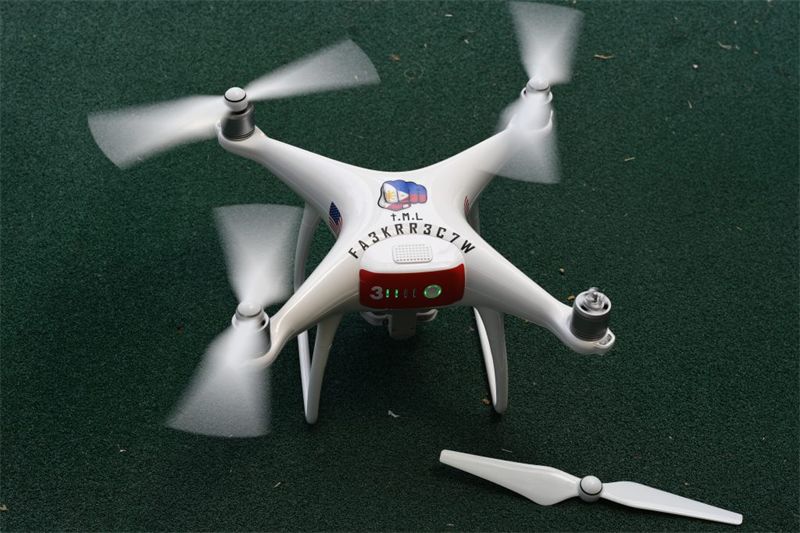
Lens focal length: Lenses with different focal lengths are suitable for different scenes. Wide-angle lenses (such as 16-35mm) are suitable for shooting landscapes with a wide field of view, while telephoto lenses (such as 70-200mm) are more suitable for shooting details from a distance.
Lens type: Choose standard lenses, wide-angle lenses, or fisheye lenses, etc., according to shooting needs. Standard lenses (such as 24-70mm) are suitable for most shooting scenes.
5. Pay attention to image post-processing
Post-processing adjustment: After shooting is completed, you can use post-processing software to adjust the image, such as adjusting color balance, contrast, sharpness, etc., to further improve the image quality.
Drones shooting is a technical activity that requires flexible adjustment of various parameters according to actual shooting needs. I hope the above suggestions can help you better master the skills of drone shooting and obtain high-quality images.
 What are the teaching contents to cultivate emergency response capabilities in drone training?
 What are the key technical points of weapon carriage and firing for drones in military strike missions?
How to adjust shooting parameters during drone shooting to obtain high-quality images?
What are the key technical points of weapon carriage and firing for drones in military strike missions?
How to adjust shooting parameters during drone shooting to obtain high-quality images?
 What are the industry standard requirements for operation specifications in the field of drone application?