


Comparison of the respective advantages between multi-rotor drones and fixed-wing drones?
The choice between multi-rotor drones and fixed-wing drones depends on specific application scenarios, mission requirements, cost budget, and technical conditions. The following will compare and analyze these two types of drones from several aspects.
Firstly, multi-rotor drones
1. Design and operation
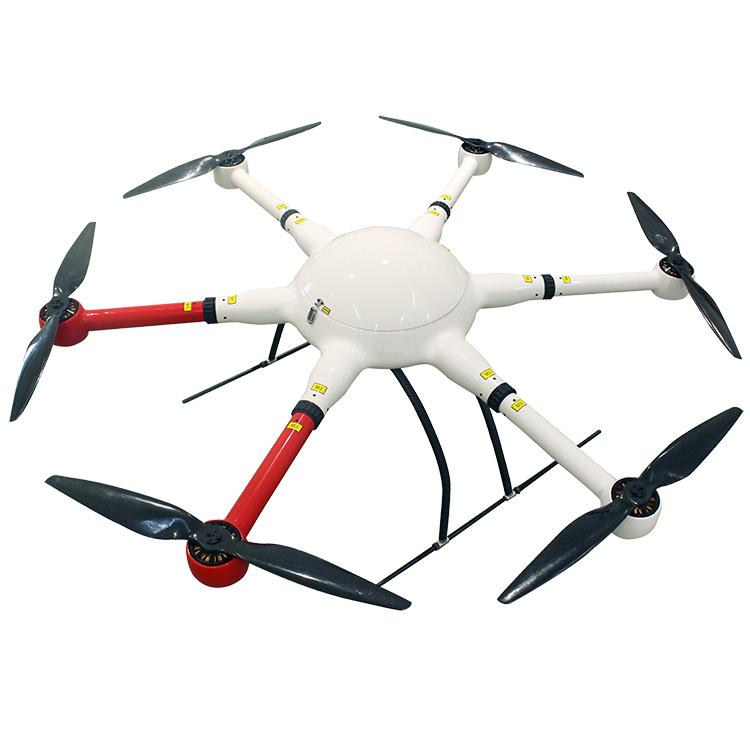
Design: Multi-rotor drones are usually designed as quadrotors, hexrotors, or octrotors, with simple structures, easy to carry and operate.
Operation: Flight control is relatively simple, with low technical requirements for the operator and easy to learn. In addition, the take-off and landing process of multi-rotor drones is smooth and does not require a special runway or taxiway.
2. Application scenarios
Low-altitude operations: Multi-rotor drones are very suitable for low-altitude operations, such as photography, surveying, plant protection, and search and rescue.
Small-scale missions: Suitable for small, low-load missions, such as reconnaissance and patrol in urban environments.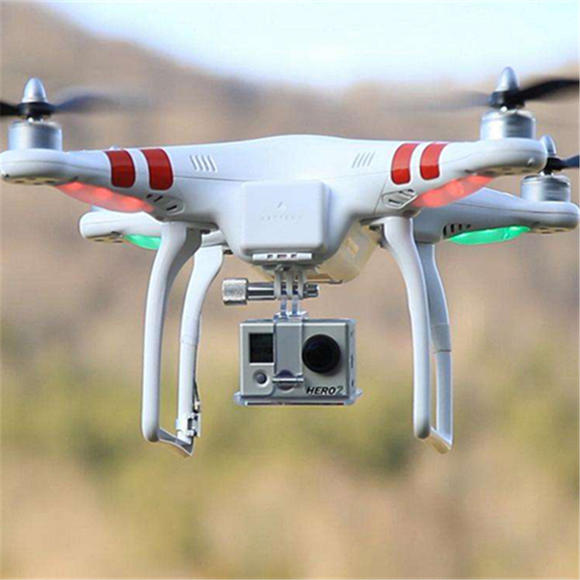
3. Advantages
High flexibility: Multi-rotor drones can perform complex actions such as hovering, tilting, and flipping in the air, with extremely high flexibility.
High cost-effectiveness: The manufacturing cost of multi-rotor drones is relatively low, and so is the maintenance cost.
Secondly, fixed-wing drones
1. Design and operation
Design: Fixed-wing drones have more complex structural designs, including wings, fuselage, and tail wings. They have faster flight speeds and longer ranges.
Operation: The operation of fixed-wing drones is relatively complex and requires higher flight skills, such as navigation, flight path planning, and attitude control.
2. Application scenarios
Long-distance missions: Fixed-wing drones are suitable for long-distance flight missions, such as remote sensing, meteorological monitoring, and border patrol.
Large-scale missions: Suitable for missions requiring heavy loads and long flight times, such as material transportation and communication relay.
3. Advantages
Flight speed and range: The flight speed and range of fixed-wing drones far exceed those of multi-rotor drones, making them suitable for long-duration, long-distance missions.
Payload capacity: Fixed-wing drones can carry larger payloads, suitable for missions requiring heavy loads.
Summary
The choice between multi-rotor drones and fixed-wing drones depends on selecting the most suitable drone type based on actual needs. Multi-rotor drones excel in many application scenarios due to their high flexibility and cost-effectiveness; while fixed-wing drones demonstrate their advantages in long-distance, heavy-load missions. In practical applications, the advantages of both multi-rotor and fixed-wing drones can be combined to achieve the best operational results.
 What are the teaching contents to cultivate emergency response capabilities in drone training?
 What are the key technical points of weapon carriage and firing for drones in military strike missions?
 How to adjust shooting parameters during drone shooting to obtain high-quality images?
 What are the industry standard requirements for operation specifications in the field of drone application?