


Does establishing environmental standards for drones have a guiding significance for reducing their environmental impact?
Establishing environmental standards for drones has a guiding significance for reducing their environmental impact
With the rapid development of drone technology, the application scope of drones in civil fields is becoming more and more extensive, ranging from express delivery and agricultural plant protection to logistics transportation and film and television shooting. The application scenarios of drones are becoming more and more diverse. While drones bring convenience to people, they also have potential impacts on the environment, including electromagnetic pollution, noise pollution, battery pollution, and waste pollution. Therefore, it is particularly important to establish environmental protection standards for drones, guide the healthy development of the drone industry, and reduce their impact on the environment.
Firstly, the formulation of environmental protection standards for drones can effectively control the electromagnetic pollution caused by drones. When drones fly in the air, they emit and receive various signals, including radio waves, microwaves, and infrared rays, which may interfere with other electronic devices. Environmental protection standards for drones should clearly stipulate the frequency, intensity, and duration of the signals emitted by drones to avoid interference with other electronic devices. At the same time, the electromagnetic radiation generated during the flight of drones also needs to be regulated by standards to ensure that drone flights do not cause electromagnetic pollution to other electronic devices.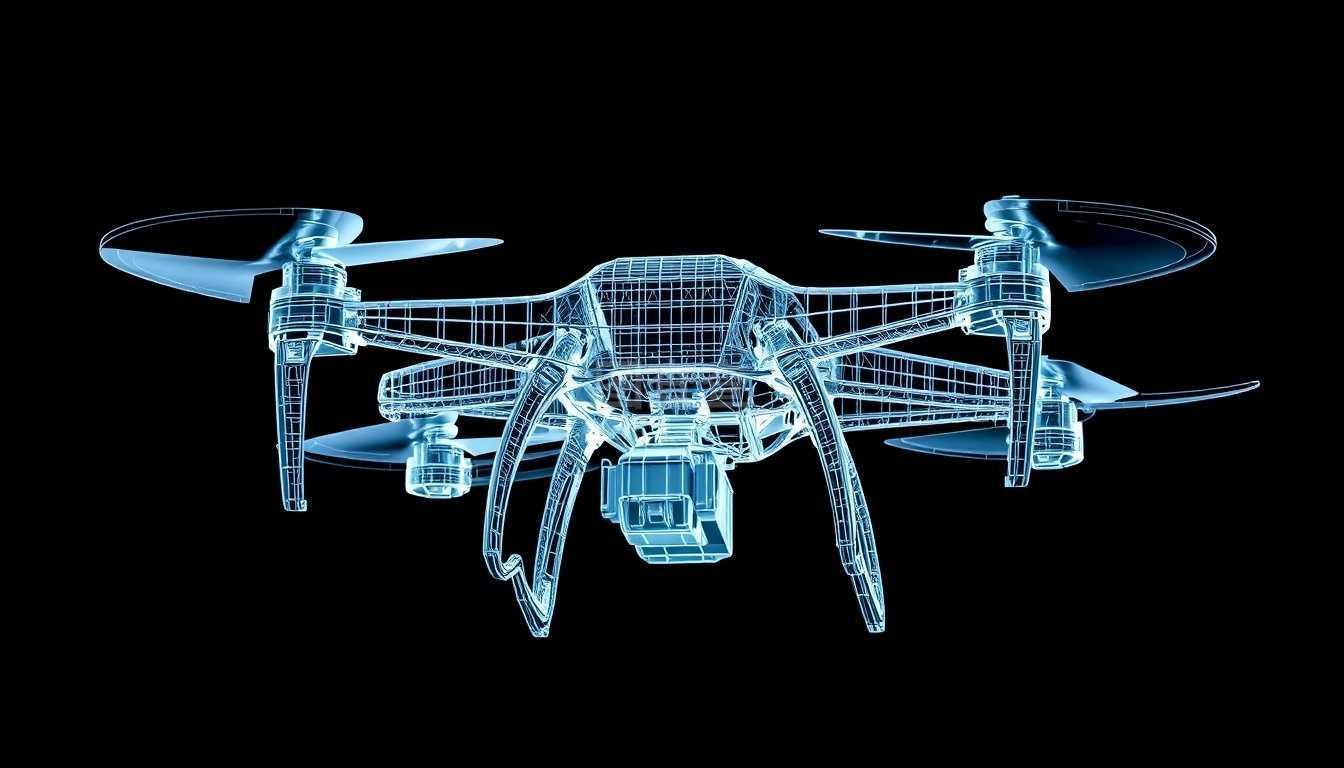
Secondly, the formulation of environmental protection standards for drones can effectively control the noise pollution caused by drones. Drones may produce significant noise during flight, especially during night flights, which may affect the lives of residents in the surrounding areas. Environmental protection standards for drones should clearly stipulate the noise levels of drone flights to avoid affecting the lives of residents in the surrounding areas. In addition, environmental protection standards for drones should also stipulate the flight times of drones to avoid flying during specific time periods, reducing the impact on residents.
Again, the formulation of environmental protection standards for drones can effectively control the pollution caused by drone batteries. The recycling and disposal of drone batteries is a complex issue, and improper handling may cause pollution to the environment. Environmental protection standards for drones should clearly stipulate the recycling and disposal methods of drone batteries to ensure that drone batteries do not cause pollution to the environment. In addition, environmental protection standards for drones should also stipulate the specifications and capacities of drone batteries to avoid over-reliance on high-energy-density batteries and reduce the amount of battery waste.
Finally, the formulation of environmental protection standards for drones can effectively control the pollution caused by drone waste. During the flight process, drones may produce some waste, such as batteries and remote controls. Environmental protection standards for drones should clearly stipulate the methods of handling drone waste to ensure that drone waste does not cause pollution to the environment. In addition, environmental protection standards for drones should also stipulate the recycling and disposal methods of drone waste to ensure that drone waste does not cause pollution to the environment.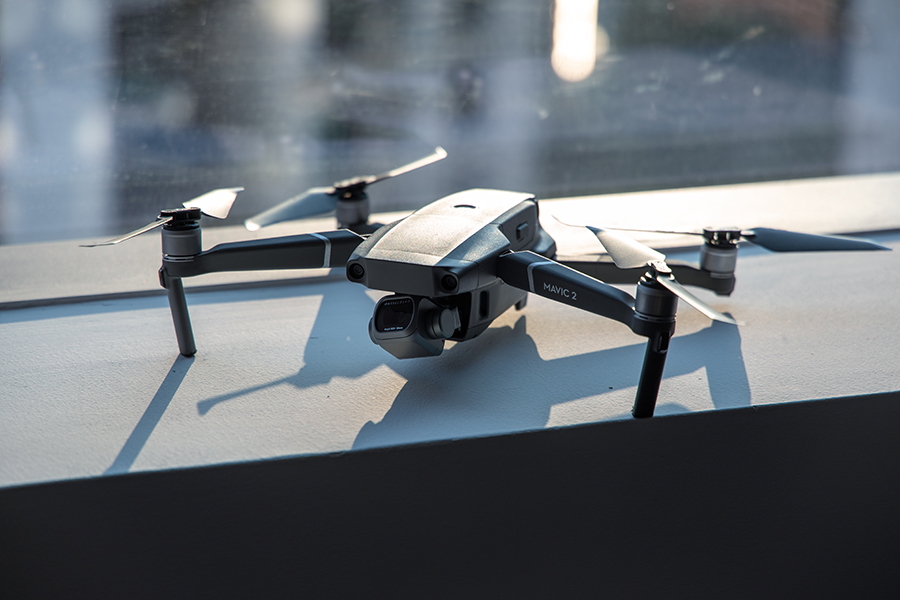 @@@@@@@@@@@@@@@@@@@@@@
Establishing environmental protection standards for drones is of great significance in reducing the impact of drones on the environment. The formulation of environmental protection standards for drones can not only effectively control electromagnetic pollution, noise pollution, battery pollution, and waste pollution, but also guide the healthy development of the drone industry and reduce the impact of drones on the environment. In the future, with the continuous development of drone technology, environmental protection standards for drones will also be continuously improved to adapt to the development of drone technology, protect the environment, and create a better future for humanity.
 What are the teaching contents to cultivate emergency response capabilities in drone training?
 What are the key technical points of weapon carriage and firing for drones in military strike missions?
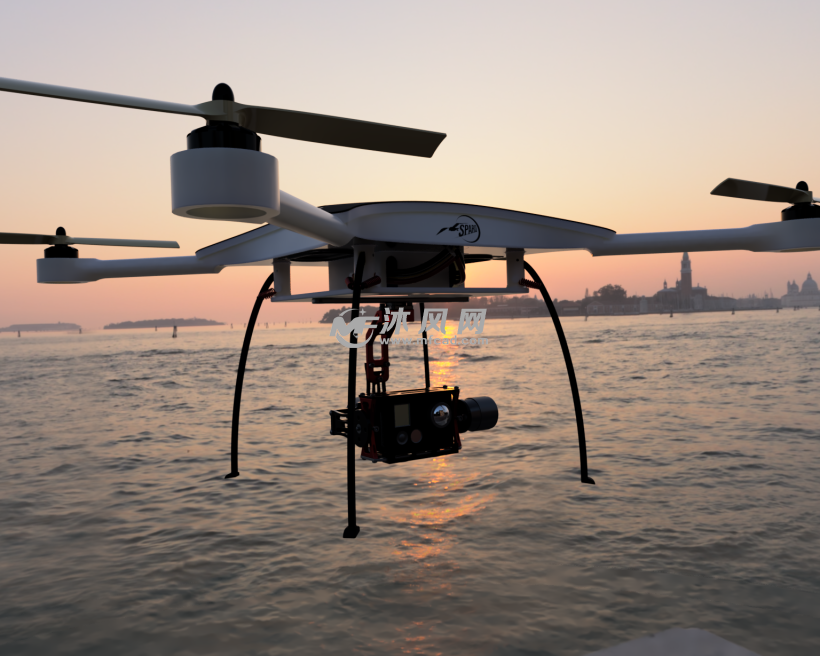 How to adjust shooting parameters during drone shooting to obtain high-quality images?
 What are the industry standard requirements for operation specifications in the field of drone application?