


How to balance stability and portability in the frame structure design of multi-rotor drones?
How to balance stability and portability in the frame structure design of multi-rotor drones?
Multi-rotor drones are playing an increasingly important role in the field of modern technology. Their application range extends from agriculture, logistics, surveying and mapping to entertainment, security, and so on, showing their powerful functions and wide range of uses. The frame structure design of multi-rotor drones occupies a vital position in the entire design process, as it not only relates to the flight stability of the drone but also directly affects its portability. This article will start from the perspective of the frame structure design of multi-rotor drones to discuss how to balance stability and portability.
Design principles of stability
The stability and flight performance of the drone are closely related. In the design of the frame structure, the following aspects need to be considered to ensure the stability of the drone:
Center of gravity design: The position of the center of gravity of the drone directly affects its stability. Generally speaking, the center of gravity of the drone should be as close to the center as possible to ensure the balance during flight.
Material selection: Under the premise of ensuring the strength of the drone, try to choose lightweight, high-strength materials such as carbon fiber and glass fiber to reduce the weight of the drone and improve its flight stability.
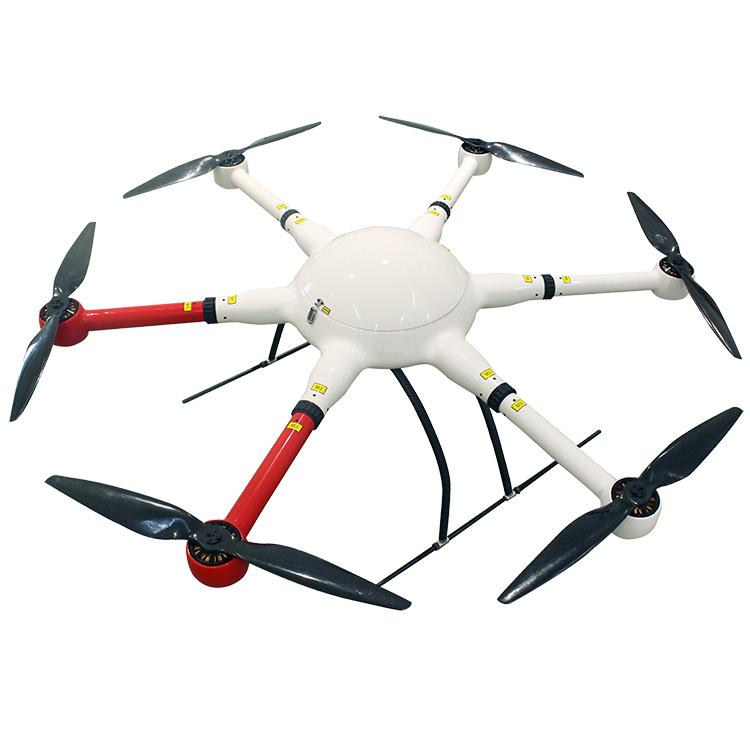
Arm design: The arms are an important part of the drone, and their design needs to consider strength and rigidity. At the same time, the length and angle of the arms also need to be reasonably designed to ensure the flight stability of the drone.
Motor layout: The motor layout of the multi-rotor drone needs to be reasonably designed to ensure the balanced output power of each motor, thus ensuring the flight stability of the drone.
Design principles of portability
The design of the drone's portability needs to start from the following aspects:
Size design: The size of the drone needs to be reasonably optimized to meet the needs of different application scenarios. At the same time, the size of the drone also needs to consider its portability to ensure the portability of the drone.
Weight design: The weight of the drone needs to be reasonably optimized to ensure the flight stability of the drone. At the same time, the weight of the drone also needs to consider its portability to ensure the portability of the drone.
Structural design: The structural design of the drone needs to be reasonably optimized to ensure the flight stability of the drone. At the same time, the structural design of the drone also needs to consider its portability to ensure the portability of the drone.
Conclusion
The design of the drone frame structure needs to balance stability and portability, which requires the designer to consider from multiple perspectives to achieve a balance between the performance and portability of the drone. In the actual design process, it is necessary to combine the specific application scenarios of the drone to carry out reasonable optimization design to achieve a balance between the performance and portability of the drone.
 What are the teaching contents to cultivate emergency response capabilities in drone training?
 What are the key technical points of weapon carriage and firing for drones in military strike missions?
 How to adjust shooting parameters during drone shooting to obtain high-quality images?
 What are the industry standard requirements for operation specifications in the field of drone application?