


The innovative application of drones in mine safety monitoring, timely discovery of potential hazards?
The innovative application of drones in mine safety monitoring, timely discovery of potential hazards?
Mine safety issues have always been a focus of global attention, and the complex mine environment and harsh working conditions make it difficult for traditional safety monitoring methods to meet the needs of real-time monitoring and efficient early warning. In recent years, with the rapid development of unmanned aerial vehicle technology, its application in mine safety monitoring has become an innovative solution, effectively improving the level of mine safety management.
1. Application of Unmanned Aerial Vehicle Technology in Mine Safety Monitoring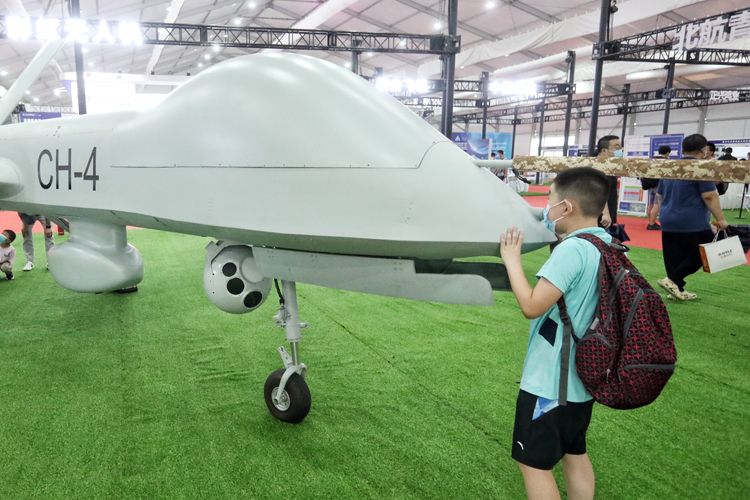
High-precision sensors carried by drones: The high-precision sensors carried by drones, such as infrared thermal imaging cameras, laser radar, and 3D laser scanners, can carry out comprehensive and high-precision monitoring of the mine environment, detecting potential safety hazards in a timely manner.
Real-time monitoring and data collection: Drones can monitor the environmental conditions of mines in real-time, including dust concentration, temperature, humidity, and gas concentration, and upload the data to the monitoring center in real-time, providing a scientific basis for mine safety management.
Disaster early warning: Drones can conduct regular inspections of mines, and once they detect structural changes, geological disasters, collapses, and other potential safety hazards inside the mine, they can issue early warnings in time to prevent the occurrence of safety accidents.
Accident investigation: Drones can take aerial photographs of the accident scene to obtain detailed images and data, providing strong support for accident investigation.
2. Advantages of Drones in Mine Safety Monitoring
Improve monitoring efficiency: Drones can achieve rapid and comprehensive monitoring, greatly improving the efficiency of mine safety monitoring and avoiding the lag of traditional monitoring methods.
Reduce monitoring costs: The drone monitoring method is much more cost-effective compared to traditional monitoring methods, reducing the reliance on manpower and material resources.
Improve monitoring accuracy: The high-precision sensors carried by drones can achieve high-precision monitoring of the mine environment, improving the accuracy of monitoring data.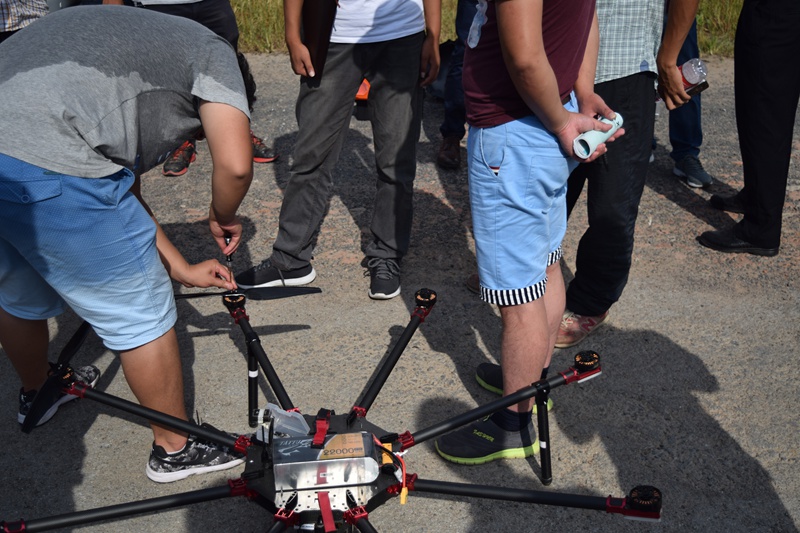
Achieve unmanned monitoring: Drones can achieve unmanned monitoring, avoiding the potential safety hazards of traditional monitoring methods and improving the safety of monitoring.
3. Future Development Direction
The application prospects of drones in mine safety monitoring are promising, and they will develop towards more intelligent, accurate, and efficient monitoring in the future. With the development of technologies such as artificial intelligence and big data, drones will be able to achieve more intelligent autonomous flight and data analysis, providing stronger support for mine safety monitoring. At the same time, the application of drones in mine safety monitoring will also continue to expand, such as in mine disaster early warning, mine environmental monitoring, and mine resource exploitation, providing a more comprehensive and accurate guarantee for mine safety.
The innovative application of drones in mine safety monitoring not only improves the safety management level of mines but also provides strong technical support for the sustainable development of the mining industry. In the future, with the continuous advancement of technology, the application of drones in mine safety monitoring will be more extensive, providing a more comprehensive and accurate guarantee for mine safety.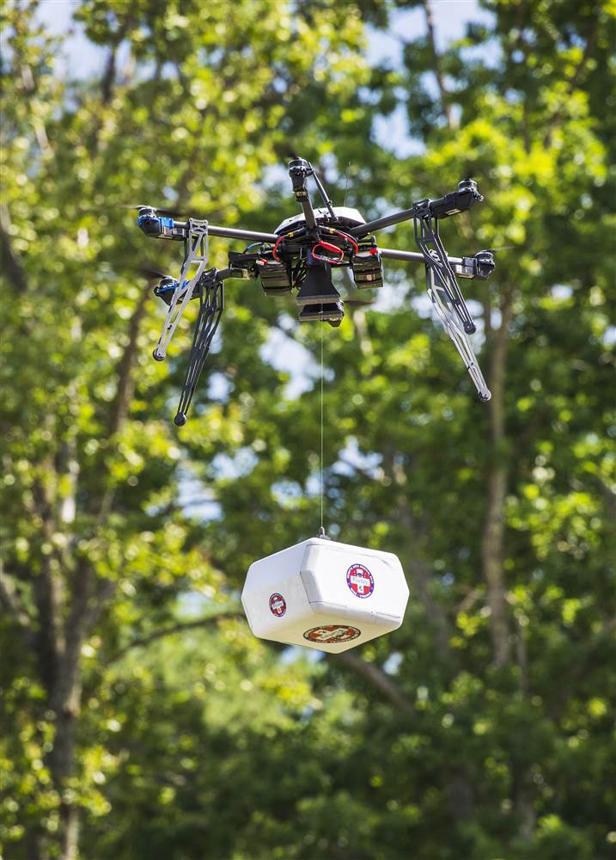
 What are the teaching contents to cultivate emergency response capabilities in drone training?
 What are the key technical points of weapon carriage and firing for drones in military strike missions?
 How to adjust shooting parameters during drone shooting to obtain high-quality images?
 What are the industry standard requirements for operation specifications in the field of drone application?