


What are the course settings and assessment standards for drone pilot training and each stage?
Drone pilot training is a field involving extensive knowledge and skills, aiming to cultivate professionals with the ability to operate drones to perform various tasks. Training requirements and assessment standards for drone pilots may vary from country to country, but they usually include basic theoretical knowledge learning and practical operation training. Below, I will introduce the course settings and assessment standards of drone pilot training based on general standards.
Course settings
Basic knowledge and regulations training: This is the starting point of the training, aiming to make trainees understand the basic principles, working principles, and relevant laws and regulations of drones. Trainees need to learn how to comply with aviation safety regulations and understand the usage restrictions of drones in different environments.
Flight theory and operation skills: This part of the course will teach the flight principles, basic operation techniques, route planning, obstacle avoidance technology, etc. of drones. Through practical operations on simulated drones, help trainees become familiar with various flight modes and emergency situation handling.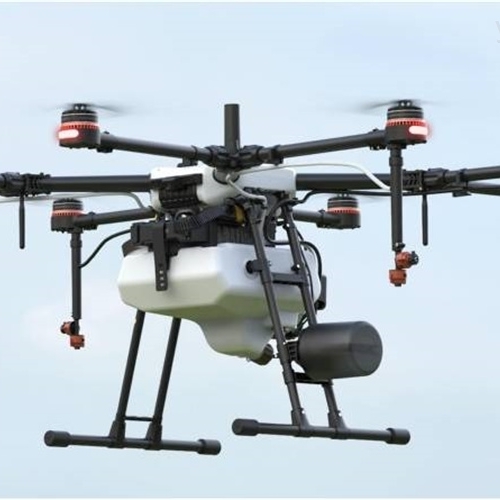
Task planning and execution: Trainees will learn how to design flight paths, plan routes, and execute tasks according to task requirements. This includes, but is not limited to, surveying, aerial photography, agricultural plant protection, logistics distribution, and other application scenarios.
Safety awareness and emergency response: Emphasize maintaining a high level of safety awareness during operation and mastering emergency response measures under emergency situations, such as equipment failure, weather changes, etc.
Simulated flight and actual operation: Through extensive training on simulators, become familiar with various flight environments and situations. Subsequently, gradually increase the difficulty and complexity of actual operations to ensure that trainees can skillfully apply the knowledge they have learned in practice.
Assessment standards
Theoretical knowledge assessment: Evaluate the trainee's mastery of drone basic knowledge, laws and regulations, operation skills, etc., through written exams or online tests.
Simulated flight assessment: Perform simulated flight operations on simulators to check the trainee's operational capabilities in different flight environments and situations.
Actual operation assessment: Conduct actual operations at designated flight sites to evaluate the trainee's performance in actual flight, including flight accuracy and task execution.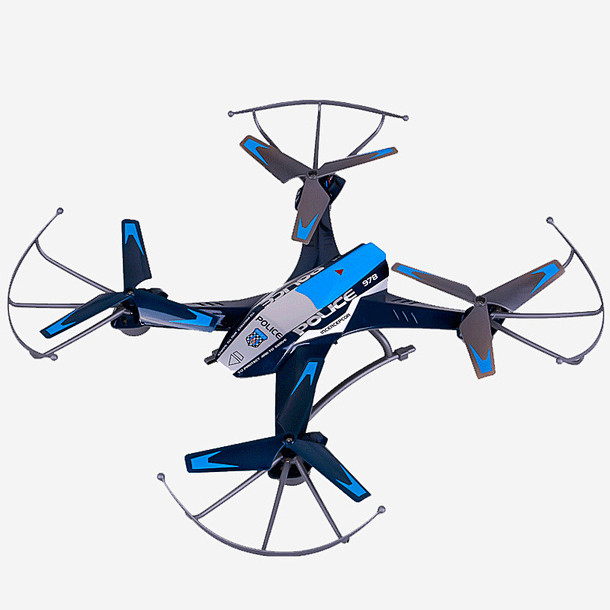
Emergency response ability assessment: Assess the trainee's emergency response ability through simulating emergency situations (such as equipment failure, weather changes, etc.).
Safety awareness assessment: Understand the trainee's level of safety awareness through questionnaires, interviews, and other methods to ensure that they maintain a high level of safety awareness during operation.
Drone pilot training is a comprehensive and complex process, which not only requires trainees to master solid theoretical knowledge, but also to possess good practical operation skills. With the development of technology and the diversification of application scenarios, the content and standards of drone pilot training are constantly being updated and improved.
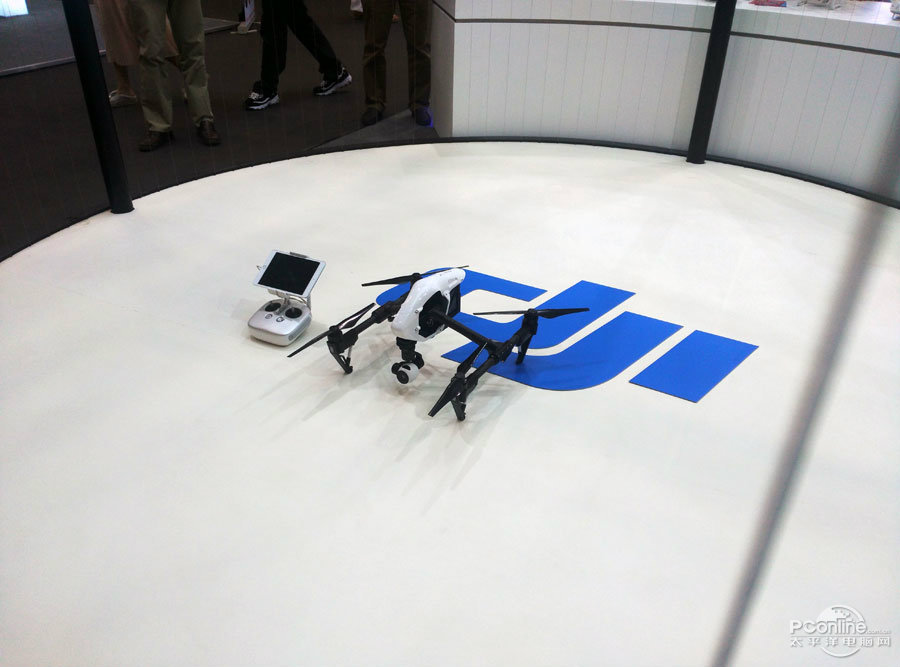 What are the teaching contents to cultivate emergency response capabilities in drone training?
 What are the key technical points of weapon carriage and firing for drones in military strike missions?
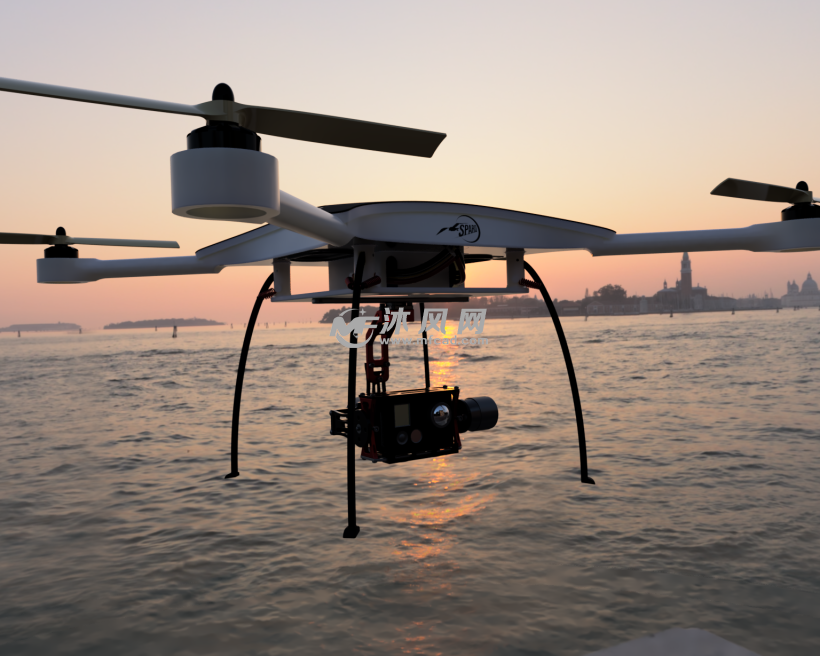 How to adjust shooting parameters during drone shooting to obtain high-quality images?
 What are the industry standard requirements for operation specifications in the field of drone application?