


How does the working principle of fuel-powered unmanned aerial vehicle engines affect endurance?
The working principle of fuel-powered unmanned aerial vehicle engines and their impact on endurance is a complex but interesting topic. As an advanced aeronautical technology, the engine design of unmanned aerial vehicles needs to meet the requirements of high efficiency, high reliability, low noise, and low maintenance costs while also adapting to specific mission requirements. This article will delve into the basic working principle of fuel-powered unmanned aerial vehicle engines and their impact on the endurance of unmanned aerial vehicles.
Basic working principle of fuel-powered unmanned aerial vehicle engines
Fuel-powered unmanned aerial vehicle engines usually adopt reciprocating engines, a technology widely used in aircraft and automobiles. The basic working cycle of reciprocating engines includes four stages: intake, compression, combustion, and exhaust. These processes convert chemical energy into mechanical energy through the rotational motion of the engine, thereby driving the propeller or fan to produce thrust, enabling the unmanned aerial vehicle to fly.
Intake: Air is through the intake port into the engine, entering the cylinder.
Compression: The air entering the cylinder is compressed through the movement of the piston.
Combustion: The fuel injector sprays fuel into the combustion chamber, where it mixes with compressed air and ignites, producing high-pressure gases.
Exhaust: High-pressure gases push the piston downward, passing through the exhaust valve to produce thrust.
Impact on endurance
The endurance of unmanned aerial vehicles mainly depends on the performance of the engine, including the efficiency, power output, and fuel consumption rate. The following are some specific influencing factors:
Engine efficiency: High-efficiency engines mean that more energy is converted into thrust, and less energy is wasted in heat loss. This means that under the same fuel consumption, engines with higher efficiency can support longer flight times.
Power output: The flight speed, climbing rate, descending rate, and maneuverability of unmanned aerial vehicles are all directly affected by the power output of the engine. The greater the power output, the more diverse and complex tasks the unmanned aerial vehicle can perform.
Fuel consumption rate: Fuel consumption rate refers to the amount of fuel consumed per unit of time. Engines with lower fuel consumption rates can support longer flight times, but this also means that the fuel storage capacity of the engine needs to be larger, thereby affecting the overall design and weight of the unmanned aerial vehicle.
Thermal management: During operation, fuel-powered engines generate a large amount of heat, which needs to be effectively dissipated through the cooling system to prevent engine overheating. Effective thermal management not only affects the life of the engine but also affects the overall endurance of the unmanned aerial vehicle.
In summary, the working principle of fuel-powered unmanned aerial vehicle engines and their impact on endurance are multifaceted. By optimizing engine design and improving engine efficiency and fuel utilization, the endurance of unmanned aerial vehicles can be significantly enhanced to meet the needs of different application scenarios. With the advancement of technology, the engine design of future fuel-powered unmanned aerial vehicles will be more efficient and reliable, further promoting the development of unmanned aerial vehicle technology.
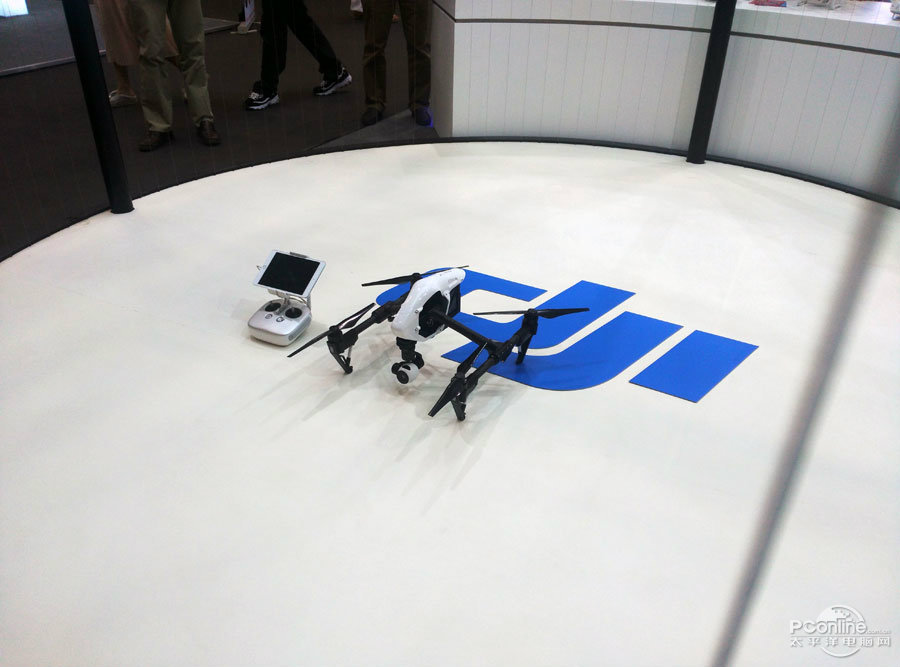 What are the teaching contents to cultivate emergency response capabilities in drone training?
 What are the key technical points of weapon carriage and firing for drones in military strike missions?
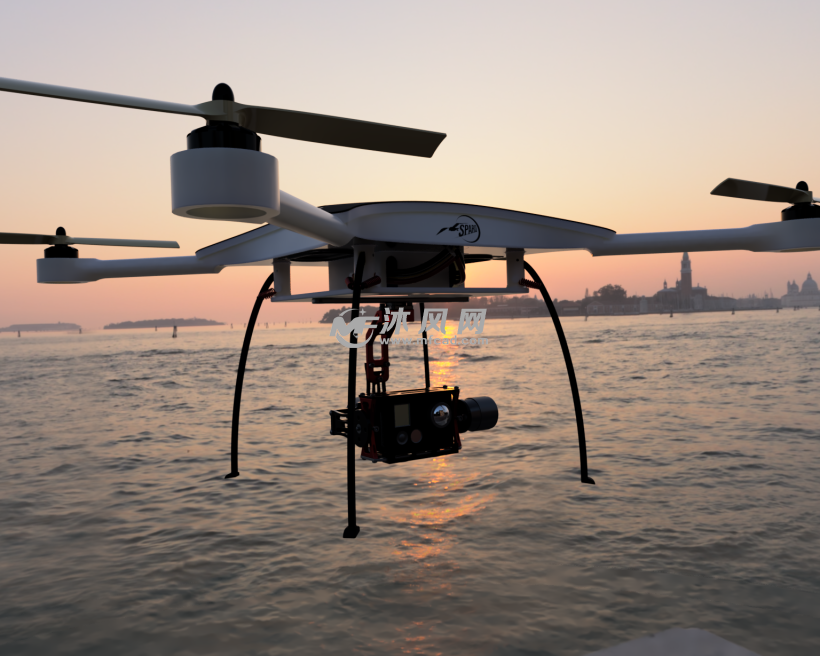 How to adjust shooting parameters during drone shooting to obtain high-quality images?
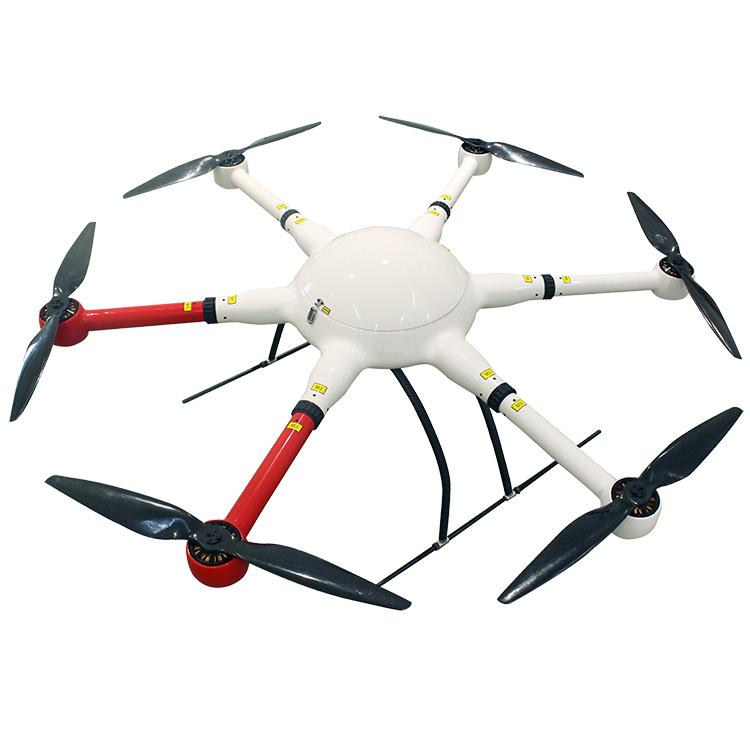 What are the industry standard requirements for operation specifications in the field of drone application?