


How to inspect and replace the propellers of drones to ensure flight safety?
How to inspect and replace the propellers of drones to ensure flight safety?
Drones, as high-tech products that have rapidly developed in recent years, have been widely used in fields such as agricultural plant protection, aerial photography, inspection, and surveying, thanks to their flexible, convenient, and efficient characteristics. However, during the operation of drones, if the propellers are damaged or worn out, not only will the flight efficiency be reduced, but it may also cause flight accidents, threatening flight safety. Therefore, regularly inspecting and replacing the propellers of drones is an important aspect of ensuring flight safety.
1. Inspection of drone propellers
Observe the surface of the propeller
The surface of the drone propeller should be smooth and damage-free, without cracks or foreign matter attached. If there are cracks or foreign matter attached to the surface, it may be because the propeller has been damaged during use, or it has been bumped during transportation, and it needs to be replaced in a timely manner.
Check the blade thickness
The blade thickness of the drone propeller should be uniform, and there should be no significant thickness difference. If the blade thickness is uneven, it may be because the blade is unevenly loaded during use, or it has been squeezed during transportation, causing deformation of the blade, and it needs to be replaced in a timely manner.
Check the blade angle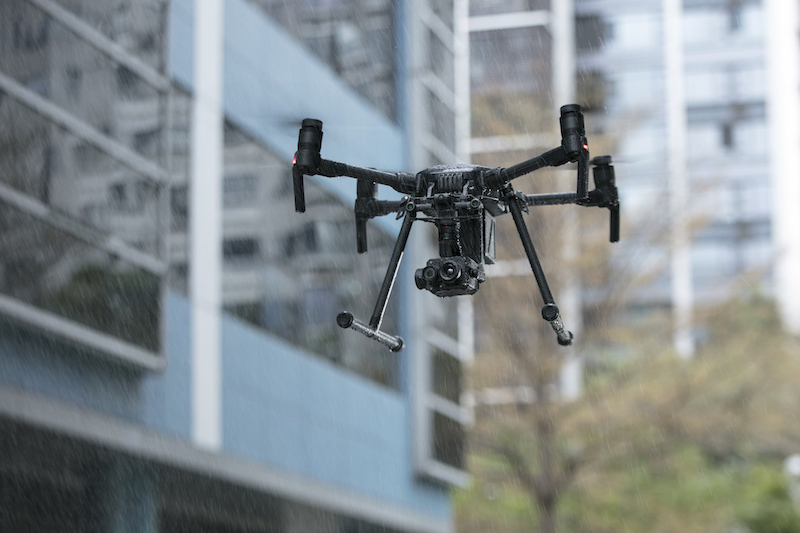
The blade angle of the drone propeller should be consistent, and there should be no significant angle difference. If the blade angle is uneven, it may be because the blade has been damaged during use, or it has been squeezed during transportation, causing deformation of the blade, and it needs to be replaced in a timely manner.
2. Replacement of drone propellers
Prepare tools and materials
Before replacing the drone propeller, some tools and materials need to be prepared, such as a screwdriver, wrench, tape, and lubricating oil. Among them, the lubricating oil can be used to lubricate the connection between the blade and the motor to prevent wear caused by friction.
Remove the propeller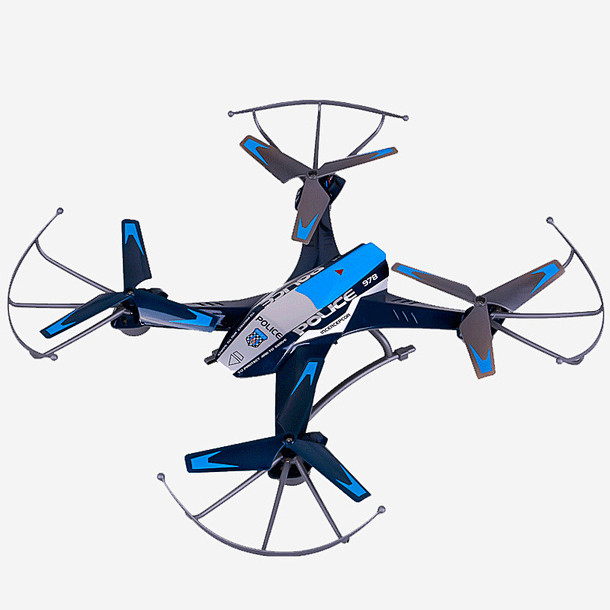
When removing the propeller, it is necessary to first remove the screw or bolt that fixes the propeller. During the removal process, attention should be paid to protect the surface of the propeller to avoid scratches or damage. After the removal is completed, the propeller should be placed in a clean, dry place to prevent dampness or rust.
Replace the new propeller
When replacing a new propeller, it is necessary to first place the new propeller on the motor, adjust the angle of the blade, and then use a screwdriver or wrench to tighten the fixed bolt or screw. When tightening the bolt or screw, it is necessary to apply even force and avoid applying excessive force to damage the propeller.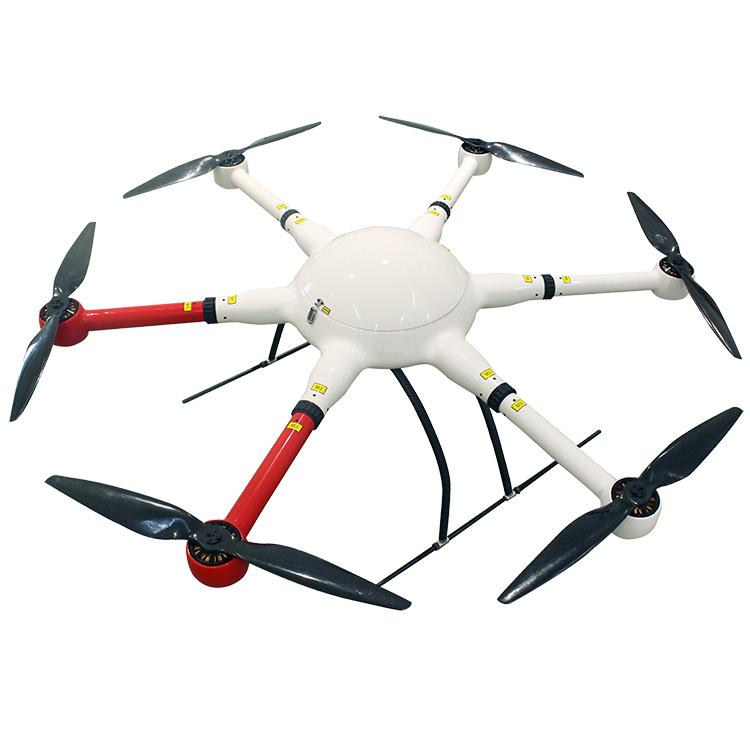
Check the replacement situation
After the replacement is completed, it is necessary to check whether the new propeller is installed securely, whether the angle of the blade is correct, and whether the connection between the blade and the motor is smooth. If any abnormal conditions are found, timely adjustments or replacements are needed.
3. Matters needing attention
When replacing propellers, it is necessary to ensure that the new propeller is the same size as the old propeller, and it cannot be used with a propeller that is too large or too small, otherwise it will affect the flight performance of the drone.
When replacing propellers, it is necessary to ensure that the connection between the new propeller and the motor is well lubricated, otherwise it will cause a large amount of friction during the use of the propeller, affecting the flight performance of the drone.
When replacing propellers, it is necessary to ensure that the new propeller is securely connected to other parts of the drone (such as the battery, remote controller, etc.), otherwise it will affect the flight performance of the drone.
In summary, regularly checking and replacing the propellers of drones is an important link to ensure flight safety. It is hoped that the inspection and replacement methods provided in this article can help everyone better protect drones and ensure flight safety.
 What are the teaching contents to cultivate emergency response capabilities in drone training?
 What are the key technical points of weapon carriage and firing for drones in military strike missions?
 How to adjust shooting parameters during drone shooting to obtain high-quality images?
What are the industry standard requirements for operation specifications in the field of drone application?
How to adjust shooting parameters during drone shooting to obtain high-quality images?
What are the industry standard requirements for operation specifications in the field of drone application?