


What are the key points for calibrating the drone flight control system to ensure the accuracy of flight parameters?
As the core part of the drone, the accuracy and stability of the drone flight control system are directly related to the completion of flight missions. In order to ensure that the drone can reach the expected flight parameters when executing tasks, calibrating the flight control system is a crucial step. The following are some key points to ensure the accuracy of flight parameters during flight control system calibration:
1. Determine the Calibration Environment
Choose a Suitable Calibration Site: Calibration should be carried out in an open, undisturbed, and flat site to minimize the impact of external factors on the calibration results.
Consider Weather Conditions: Avoid calibrating in extreme weather conditions such as strong winds, rain, snow, etc., as these conditions may affect the stability of the drone.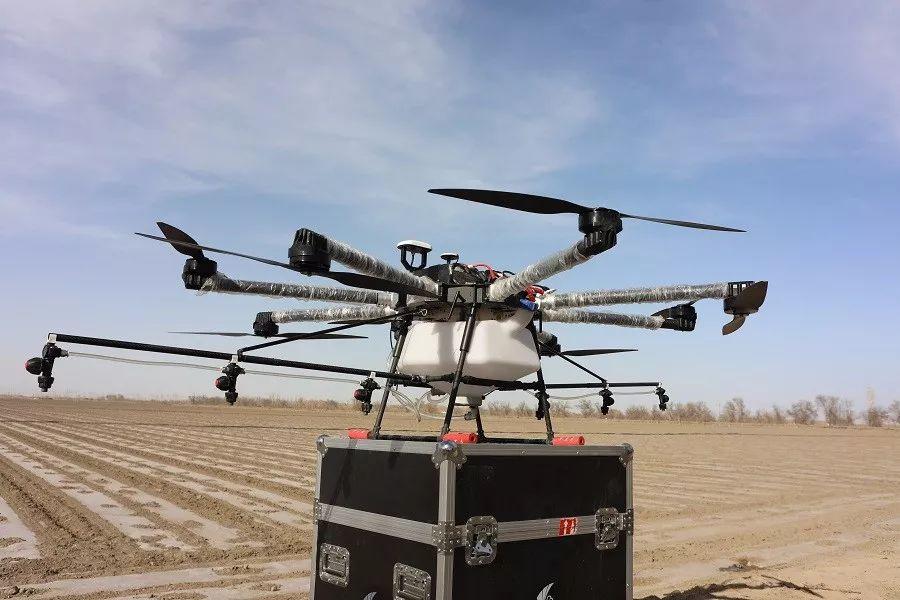 @@@@@@@@@@@@@@@@@@@@@@
2. Prepare Necessary Tools and Materials
Standard Tools: Include levels, precision gauges, screwdrivers, and so on.
Calibration Software or Hardware: Use the calibration software or hardware provided by the drone manufacturer, which usually provides detailed calibration guidelines and steps.
Backup Data: Ensure that the important data of the drone is backed up before starting calibration to prevent any unexpected situations during the calibration process.
3. Calibration of Basic Parameters of the Flight Control System
GPS Position Calibration: Use ground GPS equipment to calibrate the drone's GPS module to ensure that the drone can accurately obtain location information.
Compass Calibration: By flying in different directions, adjust the compass module to make it able to correctly sense direction.
Altitude Sensor Calibration: Use a standard altimeter or ground measurement equipment to calibrate the drone's altitude sensor to ensure that the measured altitude values are accurate and error-free.
Motor Calibration: Adjust the motor parameters through a specific calibration program to ensure consistent performance of the drone under different flight modes.
4. Flight Calibration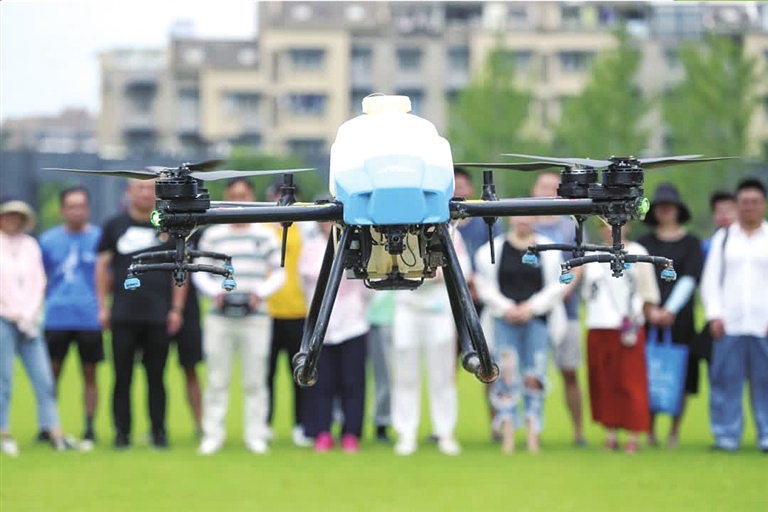
Basic Flight Mode Calibration: Perform basic take-off, landing, and hovering flight mode calibrations on the ground to ensure that the drone can execute tasks according to the preset flight parameters.
Complex Flight Task Calibration: According to the flight task requirements of the drone, perform complex flight mode calibrations, such as hovering, following a target flight, and obstacle avoidance.
Flight Performance Inspection: After calibration, conduct multiple flight tests to check whether the drone's flight performance meets the expected standards.
5. Maintenance and Regular Calibration
Regular Inspections: Regularly inspect the drone's flight control system to ensure its stable performance.
Software Updates: Pay attention to software updates released by the drone manufacturer and install them in a timely manner to obtain the latest features and performance improvements.
Professional Maintenance: For the calibration of complex or critical components, it is recommended to seek the help of professionals to ensure the accuracy and reliability of the calibration work.
The calibration of the drone flight control system is a complex and meticulous process that must be operated strictly according to the manufacturer's guidelines. By following these steps, the accuracy of the drone's flight parameters can be effectively improved, ensuring the successful completion of flight missions.
 What are the teaching contents to cultivate emergency response capabilities in drone training?
 What are the key technical points of weapon carriage and firing for drones in military strike missions?
 How to adjust shooting parameters during drone shooting to obtain high-quality images?
 What are the industry standard requirements for operation specifications in the field of drone application?