


What are the principles and methods of reducing energy consumption in drones through aerodynamic shape optimization?
The Principles and Methods of Reducing Energy Consumption in Drones through Aerodynamic Shape Optimization
Aerodynamics plays a crucial role in the design of drones, not only affecting their flight performance but also directly related to their energy efficiency. Optimizing the aerodynamic shape of drones can significantly reduce their energy consumption, improve flight efficiency, extend flight time, and is an important topic in modern drone design.
The principle of aerodynamics lies in fluid dynamics, that is, the physical phenomena that fluids exhibit during the process of flowing. In UAV design, aerodynamics is mainly reflected in the design of the flying vehicle's shape, including the design of the wing, fuselage, tail, and other components. These designs not only need to meet the flying performance requirements of the flying vehicle, such as lift and drag, but also take into account energy efficiency to achieve minimum energy consumption.
Reducing the energy consumption of UAVs is mainly achieved by optimizing the aerodynamic shape. Firstly, the design of the UAV's shape needs to consider aerodynamic characteristics, such as wing shape, aspect ratio, wing shape, and tail design, to improve the lift-to-drag ratio of the flying vehicle, thereby reducing the energy consumption required per unit distance of flight. The lift-to-drag ratio is the ratio of lift to drag, and the higher the lift-to-drag ratio, the less energy consumption per unit distance of flight. For example, by adopting a low-drag wing shape design, air resistance during flight can be reduced, thereby reducing energy consumption; by optimizing the aspect ratio of the wing, the lift-to-drag ratio of the flying vehicle can be improved, thereby reducing the energy consumption required per unit distance of flight.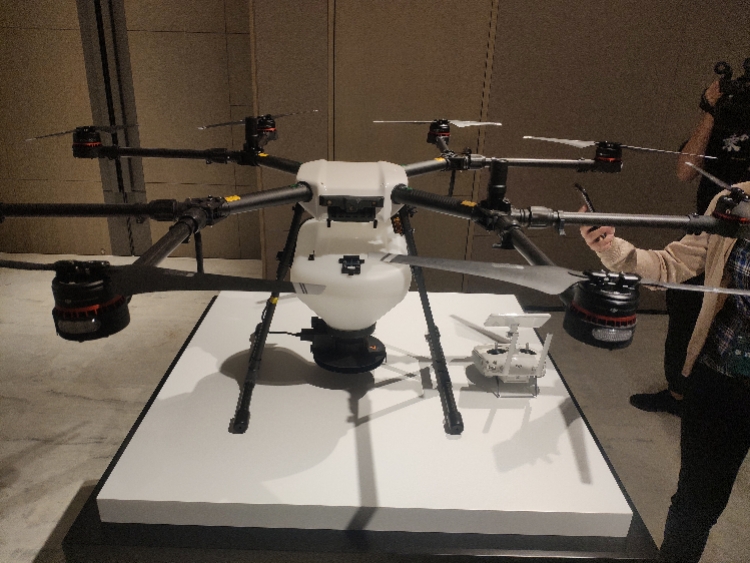
Secondly, the design of the UAV's shape needs to consider the impact of aerodynamic characteristics on the performance of the flying vehicle. For example, the wing shape, tail design, and other aspects of the UAV need to meet the flying performance requirements of the flying vehicle, such as lift, drag, and stability. At the same time, these designs also need to take into account energy efficiency to achieve minimum energy consumption. For example, by optimizing the wing shape, the lift of the flying vehicle can be improved, thereby reducing the energy consumption required per unit distance of flight; by optimizing the tail design, the stability of the flying vehicle can be improved, thereby reducing the energy consumption caused by instability during flight.
Again, the design of the UAV's shape needs to consider the impact of aerodynamic characteristics on the energy efficiency of the flying vehicle. For example, the wing shape, tail design, and other aspects of the UAV need to meet the energy efficiency requirements of the flying vehicle, such as endurance and flight time. At the same time, these designs also need to take into account flight performance to achieve a balance between performance and energy efficiency. For example, by optimizing the wing shape, the lift-to-drag ratio of the flying vehicle can be improved, thereby extending the flight time; by optimizing the tail design, the stability of the flying vehicle can be improved, thereby extending the flight time.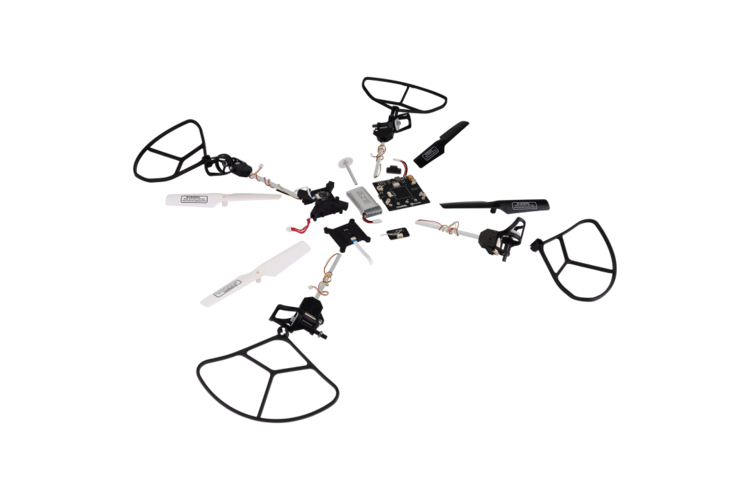
Finally, the design of the UAV's shape needs to consider the impact of aerodynamic characteristics on the energy efficiency of the flying vehicle. For example, the wing shape, tail design, and other aspects of the UAV need to meet the energy efficiency requirements of the flying vehicle, such as endurance and flight time. At the same time, these designs also need to take into account flight performance to achieve a balance between performance and energy efficiency. For example, by optimizing the wing shape, the lift-to-drag ratio of the flying vehicle can be improved, thereby extending the flight time; by optimizing the tail design, the stability of the flying vehicle can be improved, thereby extending the flight time.
In summary, by optimizing the aerodynamic shape of unmanned aerial vehicles (UAVs), it is possible to significantly reduce energy consumption, improve flight efficiency, extend flight time, and this is an important topic in modern UAV design.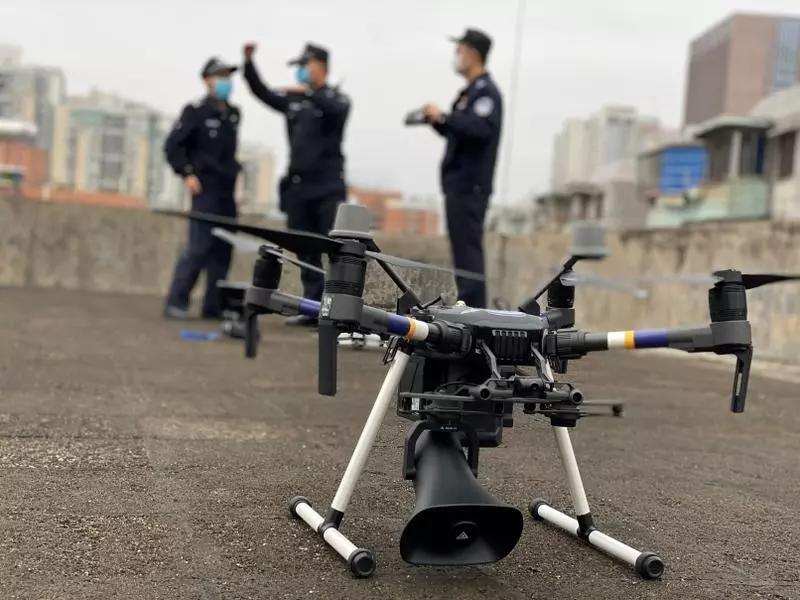
 What are the teaching contents to cultivate emergency response capabilities in drone training?
 What are the key technical points of weapon carriage and firing for drones in military strike missions?
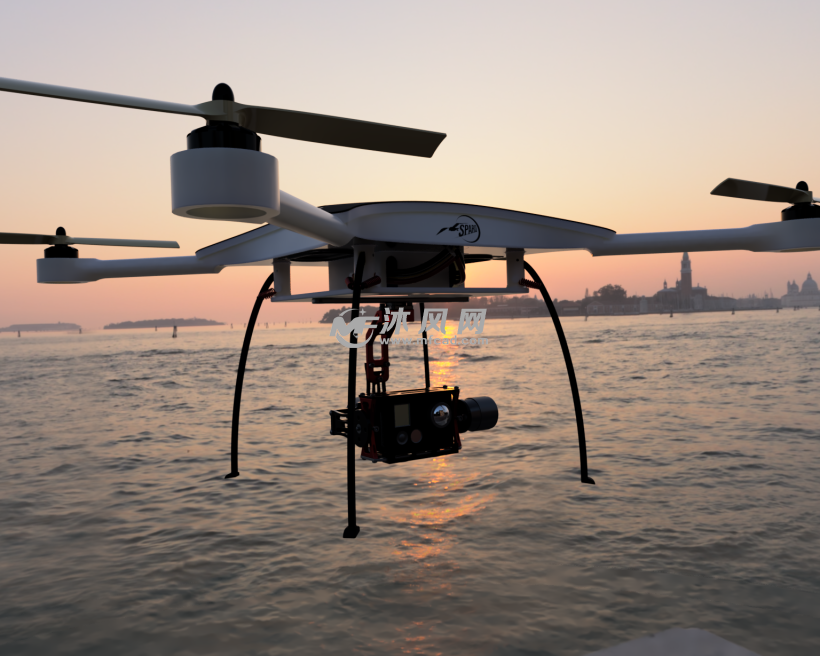 How to adjust shooting parameters during drone shooting to obtain high-quality images?
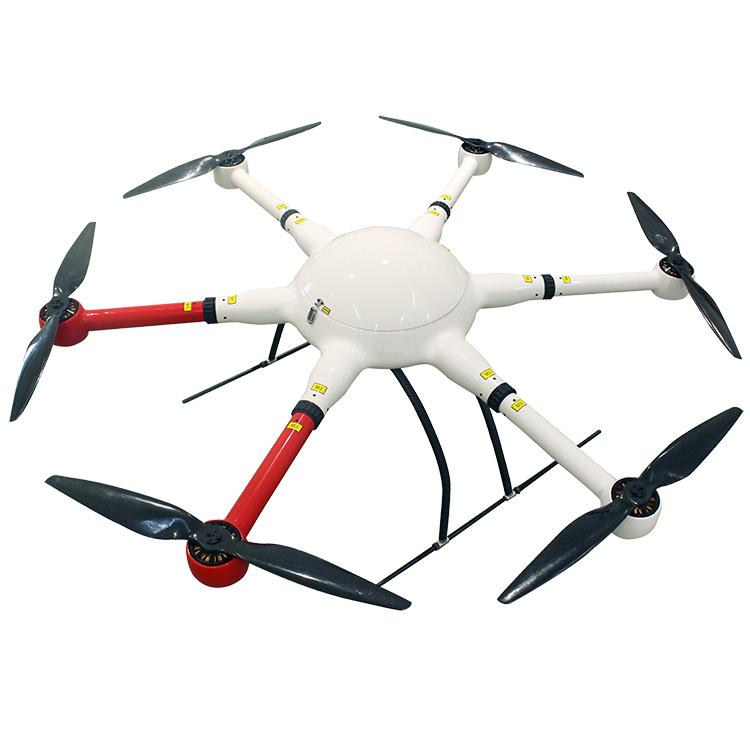 What are the industry standard requirements for operation specifications in the field of drone application?