


How to balance endurance and flight performance when choosing a UAV, and what standards to follow?
When choosing a UAV, endurance and flight performance are two key factors that directly affect the range of use, work efficiency, and ease of operation of the UAV. In order to better balance these two factors, we need to consider from multiple perspectives, including the type of UAV, application scenarios, usage environments, and user needs. The following will discuss several aspects of how to weigh endurance and flight performance.
1. Understand UAV Types
UAVs are mainly divided into consumer-grade and professional-grade categories. Consumer-grade UAVs pay more attention to entertainment, portability, and ease of operation, with endurance usually being the primary consideration. Professional-grade UAVs, on the other hand, pay more attention to flight performance, including altitude, speed, stability, etc., with relatively lower requirements for endurance.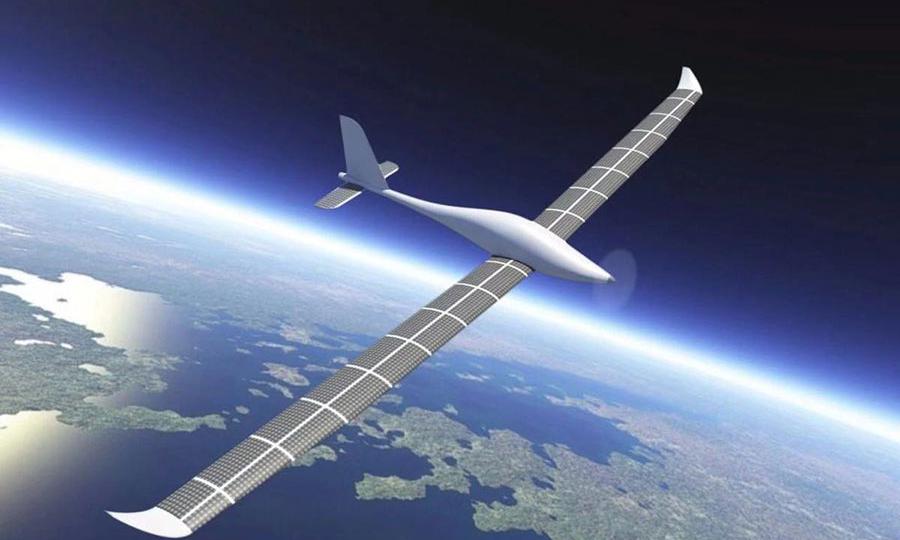
2. Consider Application Scenarios
Different application scenarios have different requirements for endurance and flight performance. For example, in the agricultural field, UAVs need to have longer endurance to cover a large area of farmland; in aerial photography, flight performance such as altitude and speed is more important. Therefore, when choosing a UAV, it is necessary to weigh the importance of these two factors based on the actual application scenario.
3. Usage Environment
The usage environment also affects the selection of endurance and flight performance. For example, in open outdoor environments, UAVs can take advantage of their high-speed flight and long endurance; however, in urban areas or complex terrains, the flight performance of UAVs may be limited by the terrain, making endurance particularly important in such cases.
4. User Needs
Ultimately, when choosing a UAV, it is necessary to consider the specific needs of the user. For users who frequently need to work outdoors, endurance is more critical; for those who need to perform precise operations in specific scenarios, flight performance is more important. In addition, some users may place more emphasis on cost-effectiveness, and in this case, it may be necessary to find a balance point between the two.
5. Technical Standards and Certifications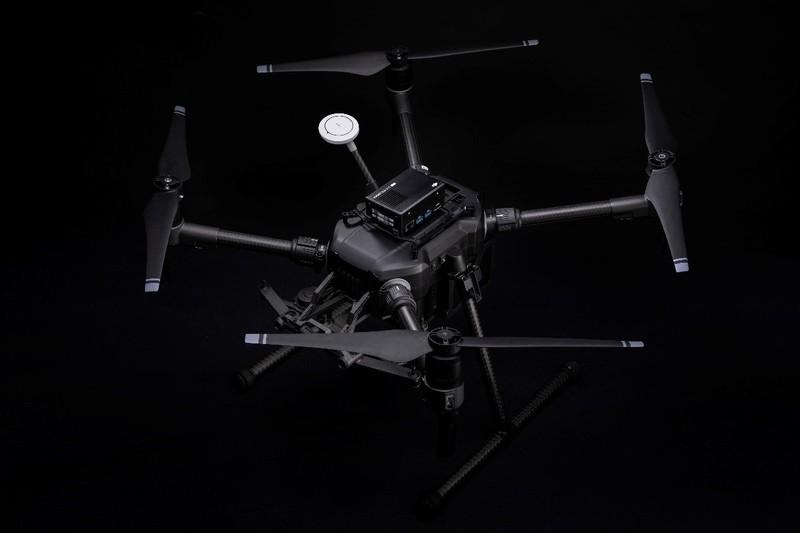
It is also very important to understand and refer to relevant technical standards and certifications when choosing a UAV. For example, ISO 9001 quality management system certification, CE certification, and so on. These standards and certifications can help consumers better understand the performance and safety of the UAV.
Conclusion
In summary, when choosing an unmanned aerial vehicle (UAV), the balance between endurance and flight performance is a complex process that requires comprehensive consideration of specific application scenarios, usage environments, and user needs. By understanding the type, application scenarios, usage environments, and user needs of the UAV, and combining technical standards and certification information, one can make more effective choices.
 What are the teaching contents to cultivate emergency response capabilities in drone training?
 What are the key technical points of weapon carriage and firing for drones in military strike missions?
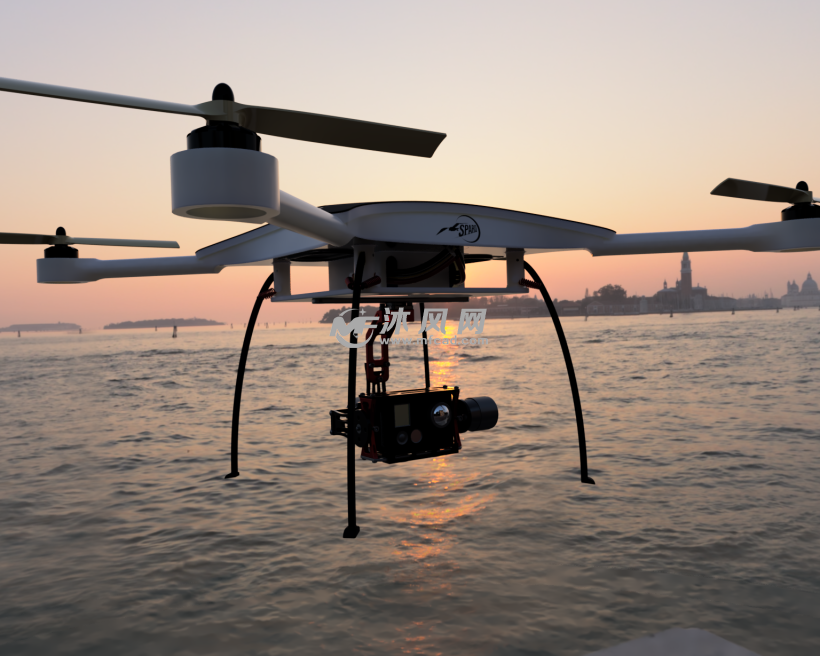 How to adjust shooting parameters during drone shooting to obtain high-quality images?
 What are the industry standard requirements for operation specifications in the field of drone application?