


By optimizing the propeller rotation speed ratio of the drone, what improvements can be brought to the flight performance?
What improvements can be brought to the flight performance by optimizing the propeller speed ratio of drones? @@@@@@@@@@@@@@@@@@@@@@
In the field of drones, the propeller speed ratio is an important parameter that directly affects the flight performance of drones. The propeller speed ratio of drones refers to the ratio of the time taken for the propeller to rotate one revolution to the flight speed of the drone. Optimizing the propeller speed ratio can significantly improve the flight performance of drones, including but not limited to flight speed, endurance time, flight altitude, maneuverability, and stability.
I. Increase of Flight Speed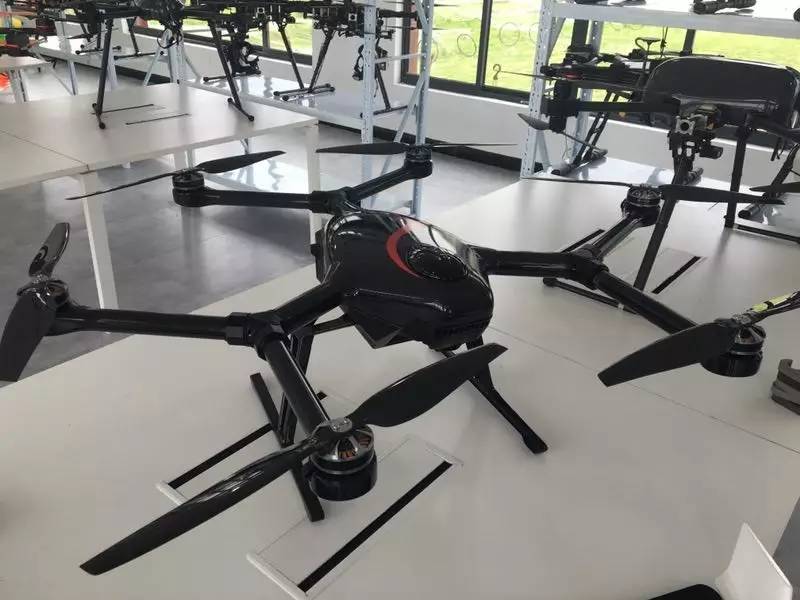
The flight speed of drones is mainly determined by the propeller speed, which is related to the diameter of the propeller, the width of the blades, the number of blades, and the material of the propeller. The optimization of the propeller speed ratio of drones can adjust the propeller speed, thereby affecting the flight speed of drones. By increasing the propeller speed ratio while keeping other parameters unchanged, the distance that drones can fly within a unit of time can be increased, thus improving the flight speed.
II. Increase of Endurance Time
The endurance time of drones is mainly determined by the battery capacity and motor power, while the optimization of the propeller speed ratio can indirectly affect these two parameters. During the flight process, the rotation of the propeller consumes a large amount of energy. Increasing the propeller speed ratio can reduce the energy required for the propeller rotation, thereby improving the endurance time of the battery. Moreover, optimizing the propeller speed ratio can also reduce the energy consumption of drones, further extending their endurance time.
III. Increase of Flight Altitude
The optimization of the propeller speed ratio can also increase the flight altitude of drones. At higher flight altitudes, the optimization of the propeller speed ratio can increase the lift of drones, improving their flight stability. At the same time, optimizing the propeller speed ratio can also improve the aerodynamic performance of drones, further enhancing their flight altitude.
IV. Enhancement of Maneuverability and Stability
Optimizing the propeller speed ratio can enhance the maneuverability and stability of drones. During the flight process, by adjusting the propeller speed ratio, the attitude of the drone can be changed, making it more flexible in responding to various flight tasks. At the same time, optimizing the propeller speed ratio can also improve the aerodynamic performance of drones, enhancing their flight stability.
V. Cost Reduction
Optimizing the propeller speed ratio can reduce the manufacturing costs of drones. During the manufacturing process, the propeller is one of the components with higher costs. By optimizing the propeller speed ratio, the weight and size of the propeller can be reduced, thereby lowering the manufacturing costs of drones. Additionally, optimizing the propeller speed ratio can also improve the flight efficiency of drones, reduce their energy consumption, and further lower their operation costs.
In summary, optimizing the propeller speed ratio of drones can enhance their flight performance, including flight speed, endurance time, flight altitude, maneuverability, and stability. Moreover, optimizing the propeller speed ratio can also reduce the manufacturing and operation costs of drones. Drone manufacturers should fully consider the optimization of the propeller speed ratio in the design and manufacturing process to improve the performance and competitiveness of drones.
 What are the teaching contents to cultivate emergency response capabilities in drone training?
 What are the key technical points of weapon carriage and firing for drones in military strike missions?
 How to adjust shooting parameters during drone shooting to obtain high-quality images?
 What are the industry standard requirements for operation specifications in the field of drone application?