


How does the intelligent return-to-home function of drones accurately find the return path in different scenarios?
The intelligent return-to-home function of drones plays a crucial role in the application of drones today, especially in outdoor operations, agricultural spraying, aerial photography, and other scenarios. The realization of the intelligent return-to-home function depends on accurate positioning systems, advanced navigation algorithms, and the ability to perceive the environment. Below, we will discuss in detail how drones can accurately find the return path in different scenarios.
1. The Importance of Positioning Systems
The intelligent return-to-home function of drones relies on precise positioning systems to determine the current position of the drones. GPS (Global Positioning System) is currently the most commonly used positioning method, providing high-precision positioning services globally. In urban or dense building areas, GPS signals may be interfered with, at which time it is necessary to rely on multi-satellite systems such as BeiDou, Glonass to enhance positioning accuracy. In addition, drones may carry inertial measurement units (IMU) and altimeters, among other sensors, to provide auxiliary positioning information when GPS signals are weak or unavailable.
2. The Role of Navigation Algorithms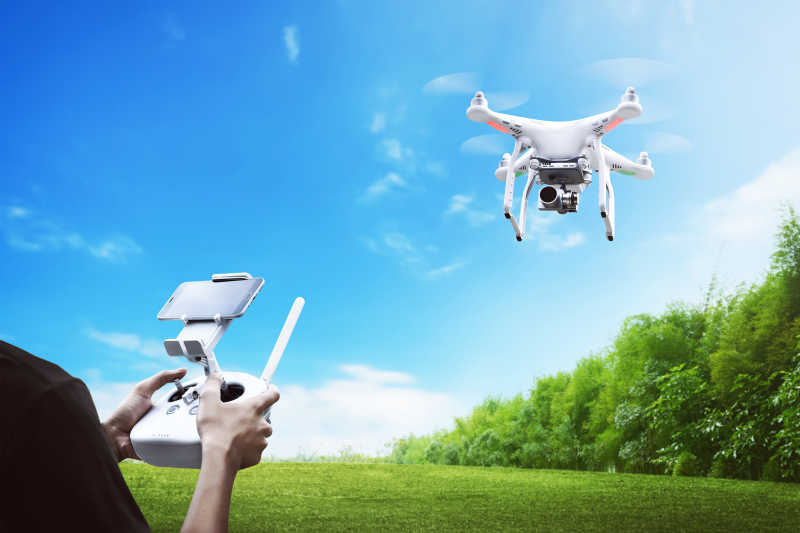
Navigation algorithms are the core technology of the intelligent return-to-home function of drones. Common navigation algorithms include autonomous navigation, visual navigation, and integrated navigation, among others. Autonomous navigation achieves the autonomous return of drones through the sensor data of the drones themselves (such as IMU, barometer, etc.) and preset return paths. Visual navigation uses the cameras carried by drones to identify ground features, determining the position and direction of the drones through image processing technology to achieve precise return. Integrated navigation combines the advantages of various positioning technologies and algorithms, providing more reliable and accurate return paths.
3. Environmental Perception Capabilities
Environmental perception capabilities are equally important for the intelligent return-to-home function of drones. Drones need to have the ability to perceive the surrounding environment to avoid obstacles or dangerous situations during the return journey. Common environmental perception technologies include LiDAR, infrared sensors, and ultrasonic sensors, among others. These sensors can help drones identify obstacles, terrain changes, and other information, thus planning a safe return path.
4. Applications in Different Scenarios
Agricultural Spraying
In agricultural spraying scenarios, drones need to perform precise spraying operations above the farmland. At this time, the intelligent return-to-home function of drones can ensure that the drones can return to the starting point safely after completing the spraying task. Through precise environmental perception and navigation algorithms, drones can avoid obstacles in the fields, such as poles and trees, and find the shortest and safest return path.
Aerial Photography
In aerial photography scenarios, drones need to complete tasks in designated shooting areas and return to the base safely. At this time, drones need to have precise environmental perception capabilities to avoid obstacles during the return journey. At the same time, the intelligent return-to-home function of drones also needs to consider the specific requirements of the shooting task, such as shooting angle and flight altitude, to plan the optimal return path.
Conclusion
The intelligent return-to-home function of drones is crucial for their safe operation. Through precise positioning systems, advanced navigation algorithms, and strong environmental perception capabilities, drones can accurately find the return path in different scenarios. In the future, with the continuous advancement of technology, the intelligent return-to-home function of drones will become more perfect, bringing more convenience to all industries.
 What are the teaching contents to cultivate emergency response capabilities in drone training?
 What are the key technical points of weapon carriage and firing for drones in military strike missions?
 How to adjust shooting parameters during drone shooting to obtain high-quality images?
 What are the industry standard requirements for operation specifications in the field of drone application?