


What are the methods for discovering potential safety hazards in advance based on drone fault prediction technology using machine learning?
Drone fault prediction technology based on machine learning: Methods for discovering potential safety hazards in advance
With the rapid development of drone technology, it has been widely used in many fields such as agriculture, logistics, remote sensing, and emergency rescue. However, the complexity and high risk of drone equipment also lead to frequent failures, which not only affect work efficiency but may also pose threats to the safety of operators and the public. Therefore, it is particularly important to study how to predict drone faults in advance through machine learning technology to reduce potential safety hazards.
Challenges in drone fault prediction
Drone faults are usually caused by multiple factors, including mechanical wear, aging of electronic components, software errors, and environmental factors. These faults may accumulate gradually during the operation of the equipment until they reach a critical point before being detected, which poses a great challenge to fault prediction. In addition, due to the variety of drone types, each model has different structures and working principles, making the construction of fault prediction models more complex.
Application of machine learning in drone fault prediction
Machine learning technology predicts future possible faults by analyzing historical data and identifying fault patterns. Specifically, machine learning methods mainly include supervised learning, unsupervised learning, and reinforcement learning. Among them, supervised learning learns the relationship between features and labels in the data through training models to predict unknown data; unsupervised learning analyzes the intrinsic structure of the data to identify outliers in the data, thereby discovering potential faults; reinforcement learning learns the optimal strategy through interaction with the environment to avoid potential faults.
Establishing a fault prediction model
Data collection and preprocessing: First, it is necessary to collect various data during the operation of the drone, including sensor data, operator input, and environmental data. These data need to go through preprocessing steps such as cleaning, normalization, and feature extraction to facilitate subsequent analysis and modeling.
Feature selection: Select features that have a significant impact on fault prediction from the preprocessed data. These features can be statistical features of sensor data, or pattern features of operator behavior, etc.
Model training and validation: Select appropriate machine learning algorithms such as support vector machines, random forests, and deep neural networks to train the data. During the training process, the performance of the model can be evaluated through methods such as cross-validation, and adjustments and optimizations can be made based on the results.
Model deployment and monitoring: Deploy the trained model into the drone system, monitor the equipment status in real-time, and issue timely warnings when faults are predicted, so that operators can take measures to prevent or minimize losses.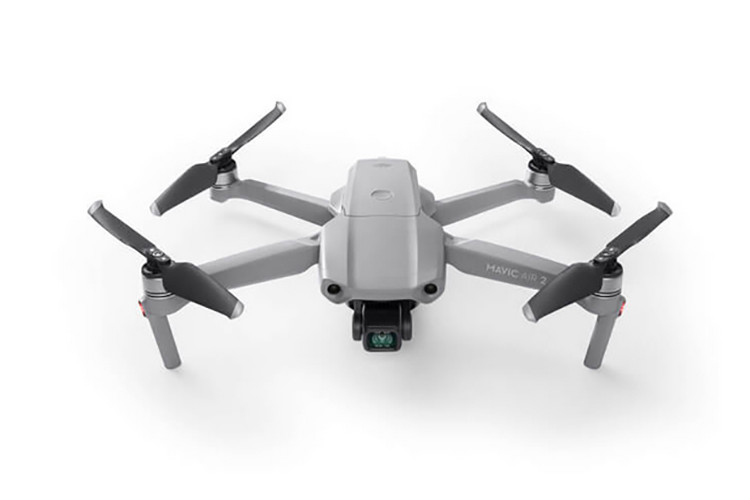
Conclusion
By using machine learning technology, we can effectively improve the accuracy and timeliness of drone fault prediction, thereby reducing potential safety hazards. In the future, with the continuous advancement of technology and the increasing amount of data, the application of machine learning in drone fault prediction will become more extensive and in-depth.
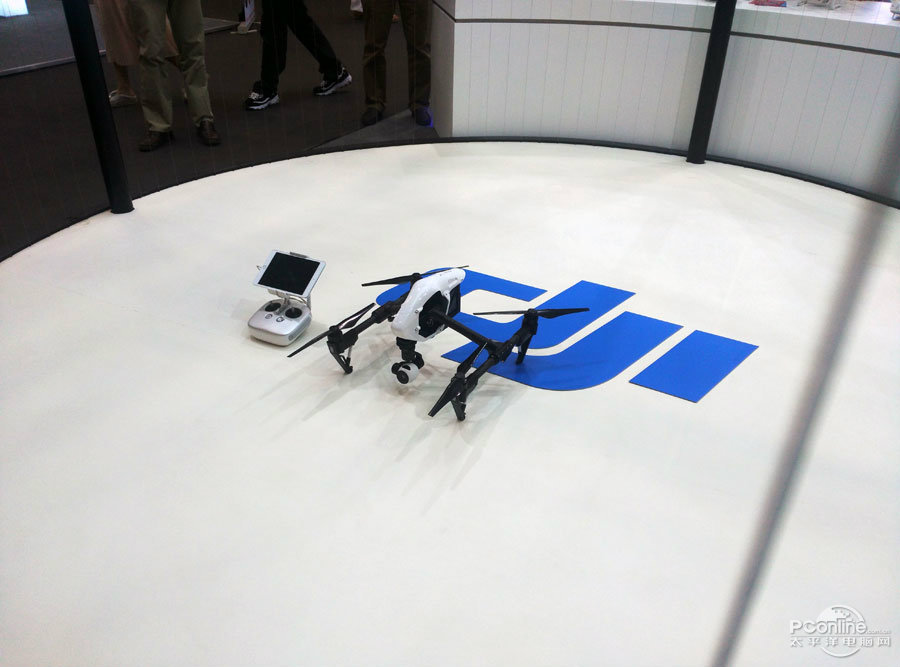 What are the teaching contents to cultivate emergency response capabilities in drone training?
 What are the key technical points of weapon carriage and firing for drones in military strike missions?
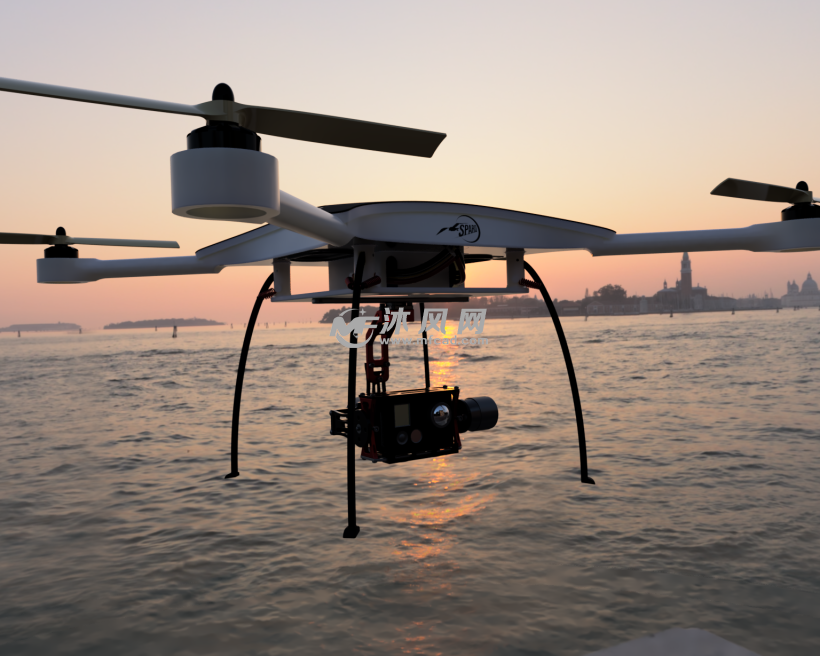 How to adjust shooting parameters during drone shooting to obtain high-quality images?
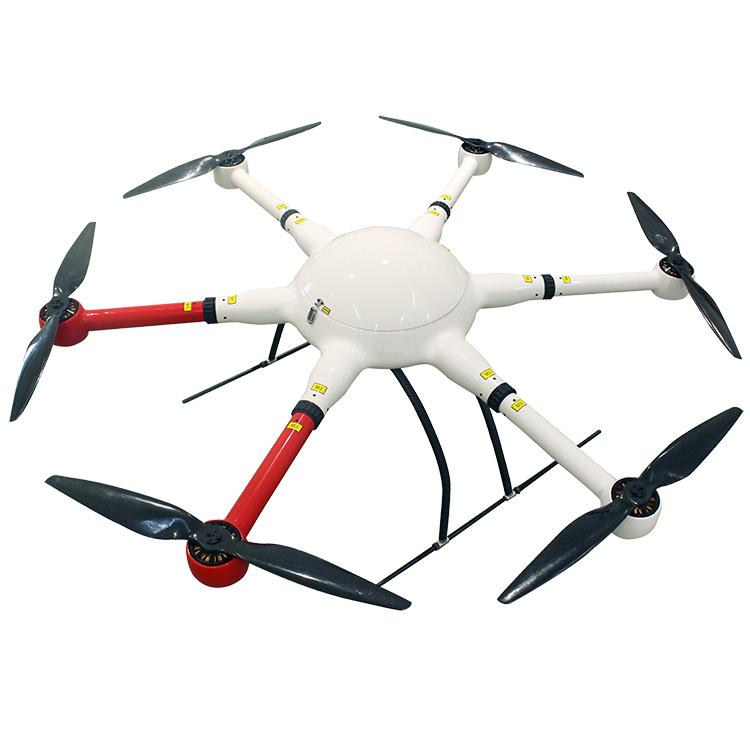 What are the industry standard requirements for operation specifications in the field of drone application?