


What are the criteria for selecting UAV body materials, and how do different materials affect strength and weight?
The selection of UAV body materials is a key link in the design process, which directly affects the performance, cost, weight, and reliability of UAVs. The selection of body materials not only relates to the flight stability of UAVs but also affects their endurance and operational flexibility. Therefore, choosing the appropriate material is an indispensable part of UAV design. Below, we will discuss the basis for selecting UAV body materials and the impact of different materials on strength and weight.
I. The basis for selecting UAV body materials
Performance requirements: According to the specific use of UAVs, such as aerial photography, agricultural spraying, scientific exploration, etc., there are different requirements for the performance of the body materials. For example, aerial photography UAVs may pay more attention to lightweight design to improve flight speed and endurance; while agricultural spraying UAVs may pay more attention to corrosion resistance to cope with the environment after spraying pesticides.
Cost considerations: Different materials have a significant cost difference, and when selecting materials, it is necessary to consider the cost-effectiveness. For high-end markets or professional applications, it may be necessary to use more expensive materials to ensure quality; for consumer markets, high-value-for-money materials may be the first choice.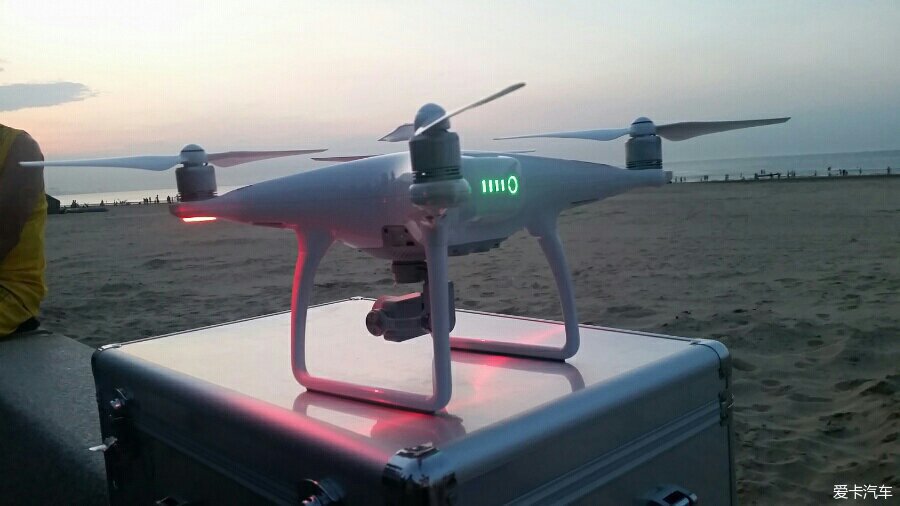
Environmental adaptability: Considering that UAVs may be used under various environmental conditions, the environmental adaptability of materials such as weather resistance, corrosion resistance, and impact resistance are also factors that need to be considered when selecting materials.
Environmental factors: With the increasing awareness of environmental protection, more and more UAV manufacturers tend to use recyclable or biodegradable materials to reduce environmental impact.
II. The impact of different materials on strength and weight
Carbon fiber composites: Carbon fiber composites are known for their high strength, lightweight, and good impact resistance, making them outstanding among UAV body materials. However, the cost of carbon fiber composites is relatively high, and the production process is complex, requiring precise manufacturing technology.
Aluminum alloys: Aluminum alloys are widely used in UAV manufacturing due to their good strength-to-weight ratio and plasticity. They are lighter than carbon fiber composites and have a relatively lower cost, but their corrosion resistance and weather resistance are not as good as carbon fiber composites.
Glass fiber: Glass fiber materials are lightweight, have high strength, and have good impact resistance, and are often used to manufacture the structural components of UAVs. However, they are slightly heavier than aluminum alloys and have poor corrosion resistance.
Composite materials: In addition to carbon fiber composites, there are other types of composite materials such as aramid fibers and aromatic random chain polymers, which also have their respective advantages in terms of strength and weight.
In summary, the selection of unmanned aerial vehicle (UAV) body materials needs to be comprehensively considered based on specific application requirements, cost budget, environmental protection requirements, and the performance characteristics of the materials. With the advancement of technology and the continuous emergence of new materials, the selection of UAV body materials in the future will become more diverse, and their performance will also continue to improve.
 What are the teaching contents to cultivate emergency response capabilities in drone training?
 What are the key technical points of weapon carriage and firing for drones in military strike missions?
 How to adjust shooting parameters during drone shooting to obtain high-quality images?
 What are the industry standard requirements for operation specifications in the field of drone application?