


The key points of injection molding technology for the body parts of drones, ensuring structural strength and accuracy?
As a high-tech product that has developed rapidly in recent years, the design and manufacturing of the body components of the UAV directly affect the performance and service life of the UAV. Among them, the injection molding process, due to its low cost, high production efficiency, and ease of realizing complex structures, plays an important role in the manufacturing of UAV components. In order to ensure the structural strength and accuracy of the UAV body components, every link of the injection molding process needs to be carefully designed and strictly controlled. The following are the key points of the injection molding process for UAV body components:
1. Material Selection and Preparation
The components of the UAV body usually adopt high-strength, lightweight, impact-resistant engineering plastics such as PC (polycarbonate), ABS (acrylonitrile-butadiene-styrene copolymer), PEEK (polyether ether ketone), etc. The selection of materials should be based on the function and usage environment of the components. In the material preparation stage, strict quality inspection of the raw materials is required to ensure the purity and uniformity of the materials, which is crucial for ensuring the final performance of the injection parts.
2. Mold Design and Manufacturing
The mold is the core of the injection molding process. High-quality mold design and manufacturing can greatly improve the accuracy and consistency of the injection parts. When designing the mold, factors such as material fluidity, cooling speed, and cooling methods need to be considered to ensure that no defects such as bubbles, shrinkage, or cold shuts occur during the molding process. In addition, the manufacturing accuracy of the mold directly affects the dimensional accuracy of the injection parts, so high-precision manufacturing processes such as laser cutting and electrical discharge wire cutting should be used.
3. Optimization of Injection Molding Process Parameters
Injection molding process parameters include injection pressure, injection speed, holding pressure, holding time, and cooling time. The selection of these parameters needs to be optimized based on material properties, mold design, and other factors to achieve the best injection effect. For example, by adjusting the injection pressure and speed, the filling state of the plastic in the mold can be controlled to avoid the formation of weld lines or flash; by adjusting the holding time and cooling time, the uniformity of plastic filling and cooling rate can be improved, reducing internal stress and thermal deformation.
4. Control of the Injection Molding Process
During the injection molding process, it is necessary to strictly monitor the working state of the injection molding machine, including parameters such as temperature, pressure, and speed, to ensure that they meet the process requirements. In addition, the condition of the mold should be checked regularly to promptly identify and solve potential problems, such as wear and cracks, to ensure the quality of the injection parts.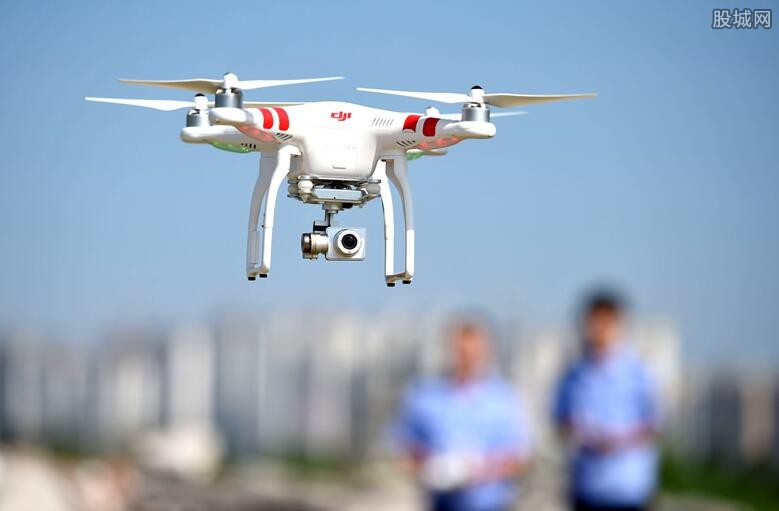 @@@@@@@@@@@@@@@@@@@@@@
5. Post-processing and Quality Inspection
After the injection molding process, the components need to go through post-processing steps such as demolding, cooling, and cleaning. For some critical components, quality inspections such as dimensional measurement, hardness testing, and tensile strength testing are also required to ensure that they meet the design requirements and usage standards.
In summary, the injection molding process for the components of an unmanned aerial vehicle (UAV) is a complex and delicate task, which requires comprehensive consideration and strict control of all aspects, including material selection, mold design and manufacturing, optimization of injection molding process parameters, control of the molding process, and post-processing and quality inspection. Through these measures, the structural strength and accuracy of the UAV components can be effectively improved, thereby ensuring the overall performance and service life of the UAV.
 What are the teaching contents to cultivate emergency response capabilities in drone training?
 What are the key technical points of weapon carriage and firing for drones in military strike missions?
 How to adjust shooting parameters during drone shooting to obtain high-quality images?
 What are the industry standard requirements for operation specifications in the field of drone application?