


How does the real-time monitoring system of drones comprehensively monitor the flight status to ensure safety?
The real-time drone monitoring system is an advanced technology that ensures flight safety and enhances operational efficiency and flexibility by monitoring the flight status of drones in real-time. Such systems usually combine sensor technology, communication technology, data analysis, and artificial intelligence technology to achieve comprehensive monitoring of drones. The following is a detailed discussion on how the real-time drone monitoring system achieves comprehensive flight status monitoring and ensures safety.
1. Flight Status Monitoring
1.1 Attitude Sensor
Gyroscopes, accelerometers, and magnetometers, among other sensors installed on the drone, can monitor the flight attitude of the drone in real-time, including pitch, yaw, and roll angles. Through these data, the system can determine whether the drone is in a stable flight state and prevent flight accidents caused by improper attitude control.
1.2 Position Sensor
Devices such as GPS receivers and inertial measurement units (IMUs) are used to accurately measure the position and speed of the drone. These data are used to compare with preset safety boundaries to ensure that the drone does not exceed the predetermined flight area.
1.3 Height Sensor
The height sensor of the drone can monitor the height of the drone in real-time, preventing the drone from flying too low or too high, thus avoiding collisions with the ground or other obstacles.
2. Communication Link Monitoring
The real-time drone monitoring system also needs to monitor the status of the communication link to ensure unimpeded communication between the drone and the ground control station. This includes monitoring parameters such as data transmission rate, signal strength, and packet loss rate. Once a problem with the communication link is detected, the system can timely issue an alarm and take measures, such as re-establishing the connection or switching to a backup link.
3. Environmental Perception
The real-time drone monitoring system can also integrate environmental perception devices, such as meteorological sensors and terrain recognition equipment, to obtain information about the flight environment. These pieces of information can be used to optimize flight paths, avoid flying in adverse weather conditions, and help drones better adapt to complex and changeable environments.
4. Data Analysis and Decision Support
By collecting and analyzing flight data in real-time, the system can identify potential safety risks and provide corresponding early warnings. Based on the results of data analysis, the system can also provide decision support for drone operators, helping them make safer and more efficient flight decisions.
5. Artificial Intelligence and Automation
The application of artificial intelligence technology has enabled the real-time drone monitoring system to have learning and adaptive capabilities. Through machine learning algorithms, the system can continuously optimize its monitoring strategies and improve the accuracy of identifying abnormal situations. In addition, the application of automation technology allows the system to take automatic measures when potential risks are detected, such as adjusting the flight path or triggering an emergency landing program.
In summary, the real-time drone monitoring system, through the integration of various sensors, communication technologies, and data analysis capabilities, has achieved comprehensive monitoring of the drone's flight status, thus ensuring flight safety. With the advancement of technology, such systems will play an increasingly important role in the future, providing more reliable safety guarantees for drone applications.
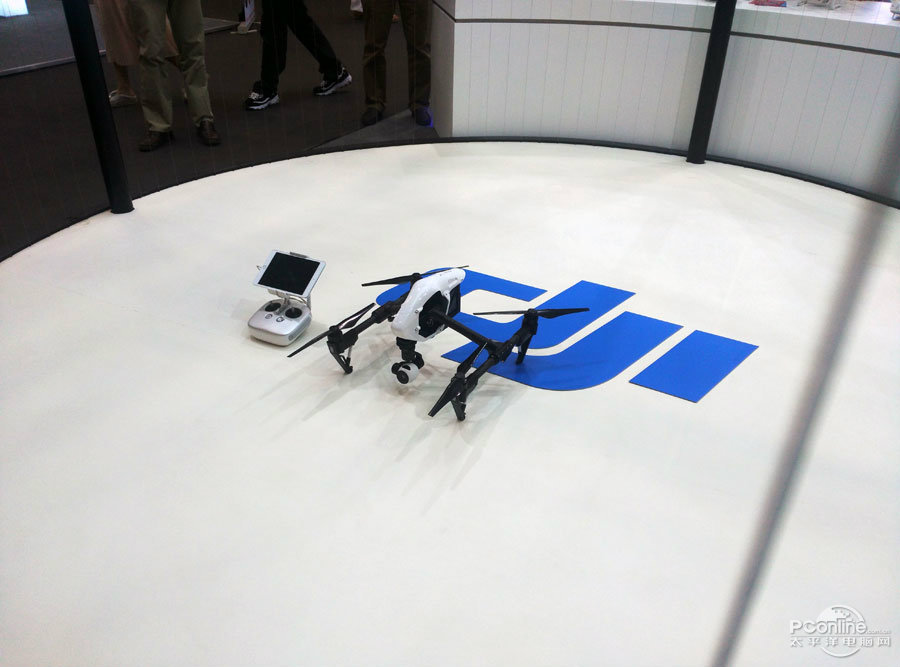 What are the teaching contents to cultivate emergency response capabilities in drone training?
 What are the key technical points of weapon carriage and firing for drones in military strike missions?
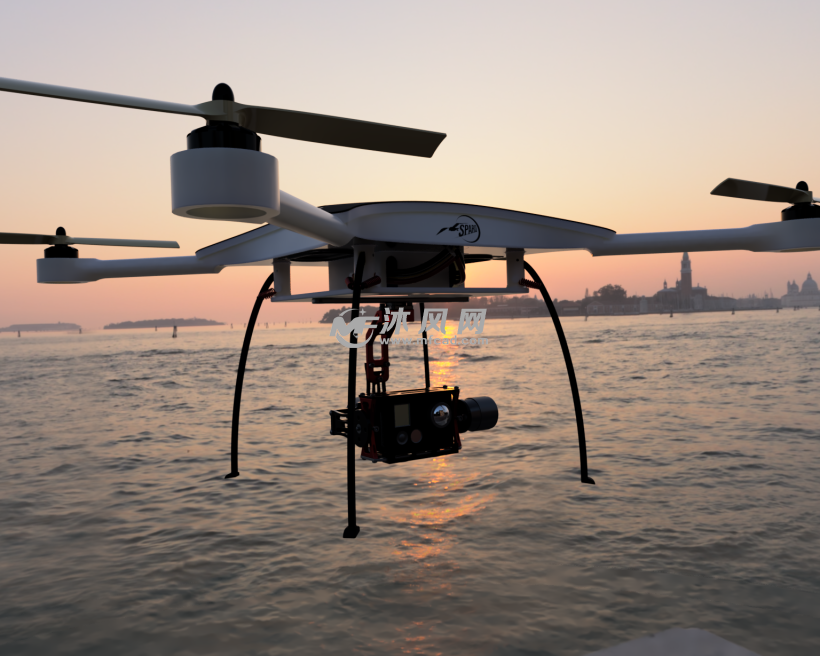 How to adjust shooting parameters during drone shooting to obtain high-quality images?
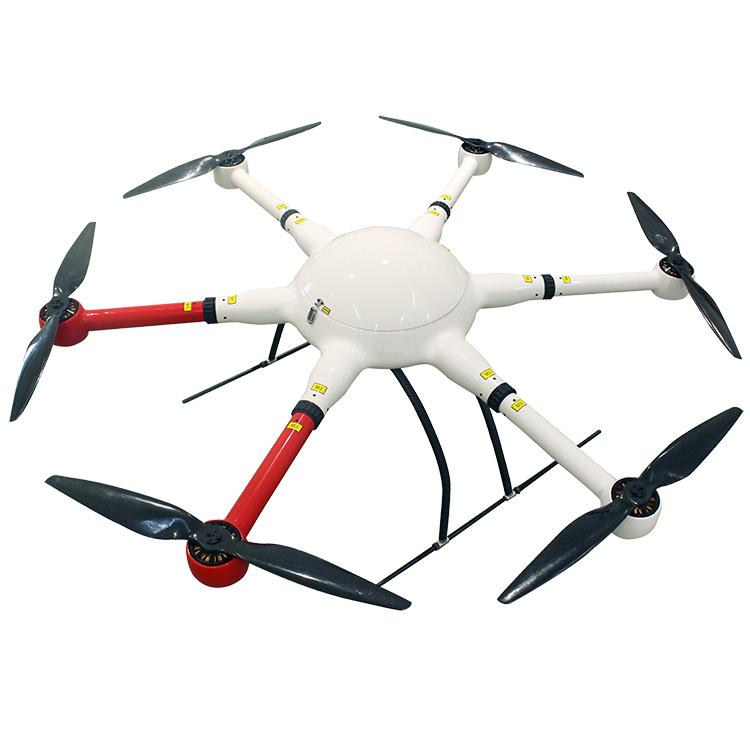 What are the industry standard requirements for operation specifications in the field of drone application?