


Does the wing deformation mechanism of composite-wing drones meet the needs at different flight stages?
Does the wing deformation mechanism of composite-wing drones meet the needs at different flight stages?
In the era of rapid development of drone technology, composite-wing drones have attracted much attention due to their unique flight modes and wide range of application fields. Composite-wing drones combine the advantages of fixed-wing and rotary-wing drones, with the ability to cruise at high speeds and take off and land vertically. However, the flight performance of composite-wing drones is affected by the design of their wing structure, especially in terms of matching the needs at different flight stages. In order to meet the needs of composite-wing drones at different flight stages, the design of the wing deformation mechanism has become a key issue.
The compound-wing unmanned aerial vehicle needs to have the ability of vertical take-off and landing and vertical landing at take-off and landing stages, which requires the wings to be able to achieve rapid pitch and yaw movements. During cruising stages, the compound-wing unmanned aerial vehicle needs to have efficient flight performance, which requires the wings to maintain stable and optimized flight attitudes within a certain range. Therefore, the design of the wing deformation mechanism for the compound-wing unmanned aerial vehicle needs to meet the needs of these two stages, achieving efficient conversion of the wings at different flight stages.
Adopting variable curvature wings is a common solution in the design of the wing deformation mechanism for the compound-wing unmanned aerial vehicle. Variable curvature wings can adjust the flight attitude quickly by changing the curvature of the wings. At take-off and landing stages, by changing the curvature of the wings, it is possible to achieve pitch and yaw movements of the wings, meeting the needs of vertical take-off and landing and vertical landing. During cruising stages, by maintaining the stability of the curvature of the wings, efficient flight performance can be achieved. The design of variable curvature wings can achieve efficient conversion of the wings at different flight stages by changing the curvature of the wings, meeting the needs of the compound-wing unmanned aerial vehicle at different flight stages.
In addition to variable curvature wings, the wing deformation mechanism for the compound-wing unmanned aerial vehicle can also adopt variable chord wings. Variable chord wings can adjust the flight attitude quickly by changing the chord length of the wings. At take-off and landing stages, by changing the chord length of the wings, it is possible to achieve pitch and yaw movements of the wings, meeting the needs of vertical take-off and landing and vertical landing. During cruising stages, by maintaining the stability of the chord length of the wings, efficient flight performance can be achieved. The design of variable chord wings can achieve efficient conversion of the wings at different flight stages by changing the chord length of the wings, meeting the needs of the compound-wing unmanned aerial vehicle at different flight stages.
The design of the wing deformation mechanism for the compound-wing unmanned aerial vehicle needs to be customized according to the specific requirements and application scenarios of the unmanned aerial vehicle. During the design process, it is necessary to fully consider the needs of the wings at different flight stages and achieve efficient conversion of the wings at different flight stages. In addition, the design of the wing deformation mechanism also needs to consider factors such as the structural strength of the wings, material selection, and manufacturing processes to ensure that the wings have good reliability and safety while meeting flight performance.
In summary, the design of the wing deformation mechanism for the compound-wing unmanned aerial vehicle is the key to meeting the requirements of the vehicle at different flight stages. By adopting designs such as variable curvature wings or variable chord wings, it is possible to achieve efficient conversion of the wings at different flight stages, meeting the needs of the compound-wing unmanned aerial vehicle at different flight stages. In the future, with the continuous development of unmanned aerial vehicle technology, the design of the wing deformation mechanism for the compound-wing unmanned aerial vehicle will also be innovated continuously, making greater contributions to the development of unmanned aerial vehicle technology.
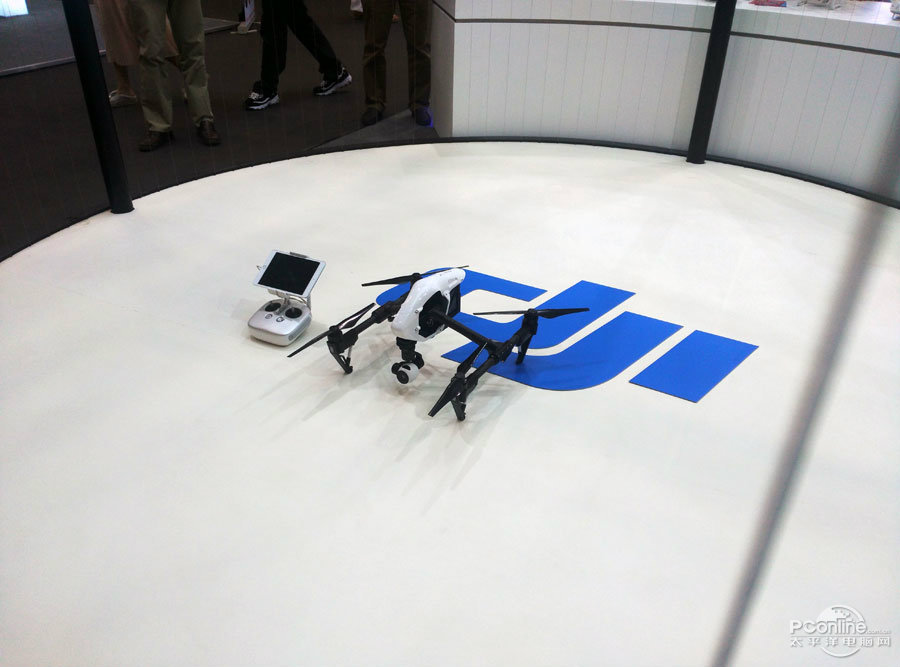 What are the teaching contents to cultivate emergency response capabilities in drone training?
 What are the key technical points of weapon carriage and firing for drones in military strike missions?
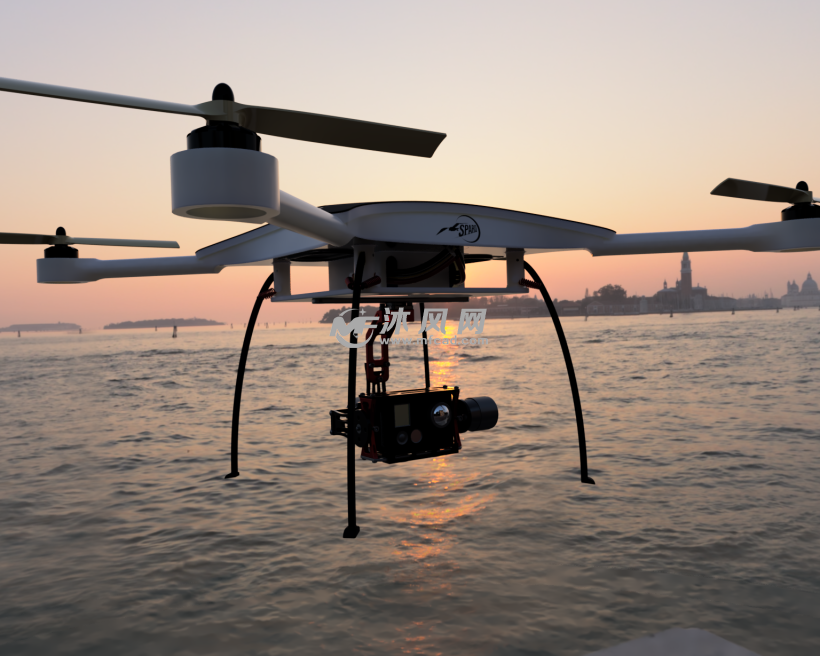 How to adjust shooting parameters during drone shooting to obtain high-quality images?
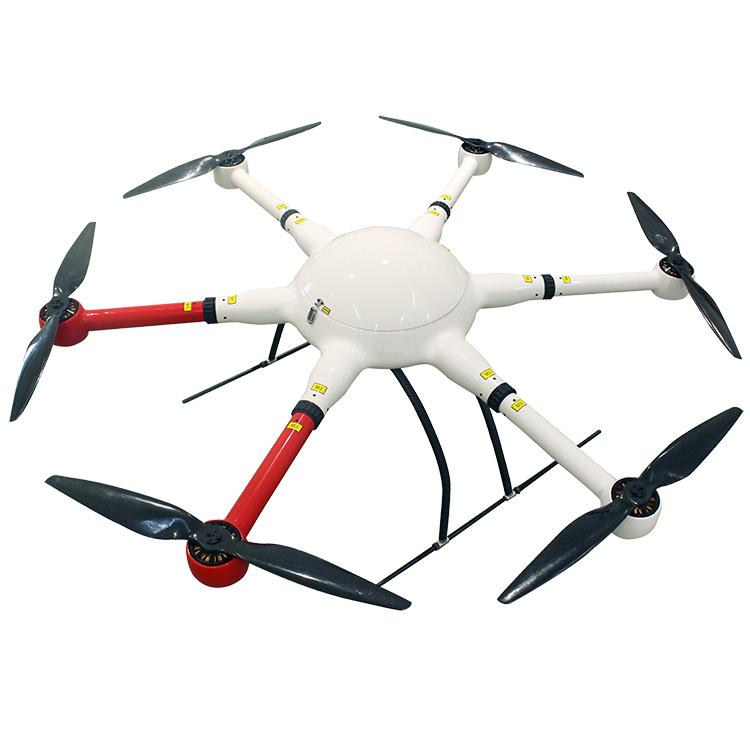 What are the industry standard requirements for operation specifications in the field of drone application?