


What are the requirements for the environmental adaptability of UAV selection in complex environments?
In operational tasks under complex environments, the selection of the UAV is crucial for its environmental adaptability. With the continuous advancement of UAV technology, their application fields have expanded from entertainment and consumer markets to industries, agriculture, logistics, security, surveying and mapping, emergency rescue, and many other fields. However, these application scenarios often face complex and changeable environmental challenges, including but not limited to high temperatures, low temperatures, high altitudes, strong winds, rain and snow, and electromagnetic interference. Therefore, choosing a UAV that can adapt to these complex environments plays a decisive role in achieving efficient, safe, and stable operational tasks.
1. Environmental Temperature Adaptability
In extreme temperature conditions, the electronic components and materials of the UAV may face the risk of performance degradation or damage. Therefore, choosing a UAV with high temperature resistance characteristics is crucial. For example, a UAV that can operate normally within a temperature range of -40°C to +60°C can adapt to most industrial and agricultural environments. In addition, for high-temperature environments, heat dissipation design needs to be considered to ensure that the internal electronic equipment of the UAV can still operate normally under high temperatures.
2. High-Altitude Adaptability
At high altitudes, the air is thin, the air pressure is low, and the oxygen content is low, which has a significant impact on the battery endurance and aerodynamic performance of the UAV. Choosing a UAV that can adapt to high-altitude environments can effectively extend the battery endurance time and improve flight efficiency. At the same time, the design of the UAV also needs to consider aerodynamic performance optimization to ensure stable flight under high-altitude conditions.
3. Electromagnetic Interference Protection
In environments with strong electromagnetic interference, the UAV may be disturbed, affecting its normal operation. Therefore, choosing a UAV with good electromagnetic compatibility (EMC) is crucial. This not only includes hardware-level electromagnetic shielding design but also software-level interference suppression algorithm optimization to ensure that the UAV can still operate stably in complex electromagnetic environments.
4. Protection Level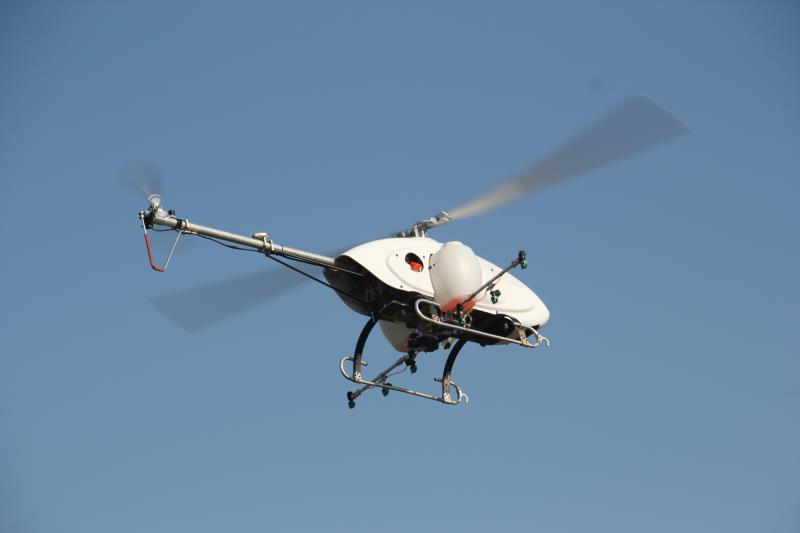
Complex environments often come with various harsh conditions, including sand, rain, salt fog, etc. Choosing a UAV with a high protection level can effectively protect the internal electronic equipment from damage. For example, an IP67 protection level means that the UAV has dust and splash-proof capabilities, suitable for most outdoor operational environments.
5. Overall Performance
In addition to the aforementioned key factors, the overall performance of the UAV is also an important consideration in the selection. This includes flight speed, flight altitude, payload capacity, and endurance time. In complex environments, the UAV needs to be able to respond quickly to task requirements, flexibly adjust its flight attitude, and complete complex operational tasks.
In summary, selecting an unmanned aerial vehicle (UAV) that can operate stably in complex environments requires comprehensive consideration of its environmental adaptability, protection level, and overall performance. Only in this way can the UAV successfully complete tasks in various complex environments, achieving efficient, safe, and stable operations.
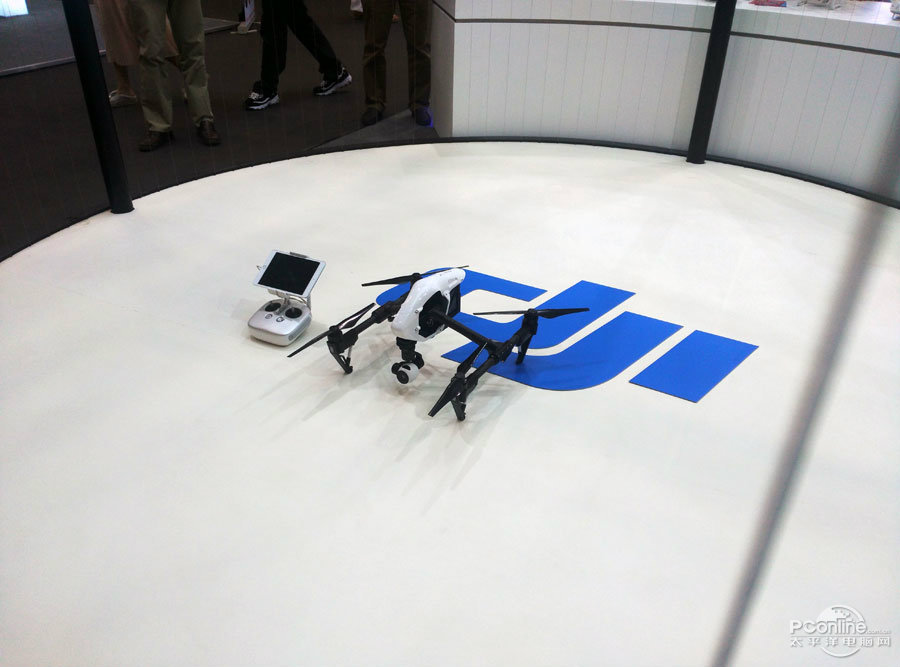 What are the teaching contents to cultivate emergency response capabilities in drone training?
 What are the key technical points of weapon carriage and firing for drones in military strike missions?
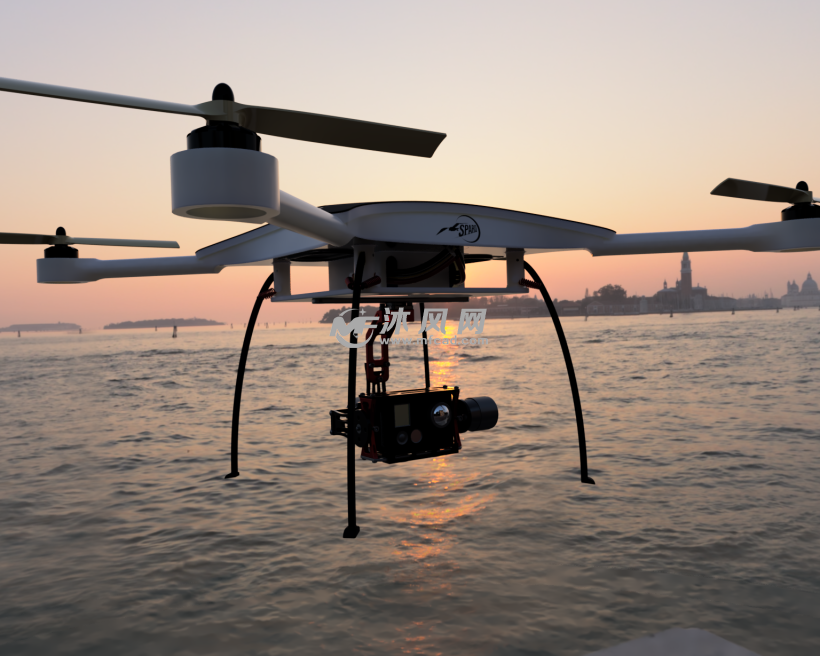 How to adjust shooting parameters during drone shooting to obtain high-quality images?
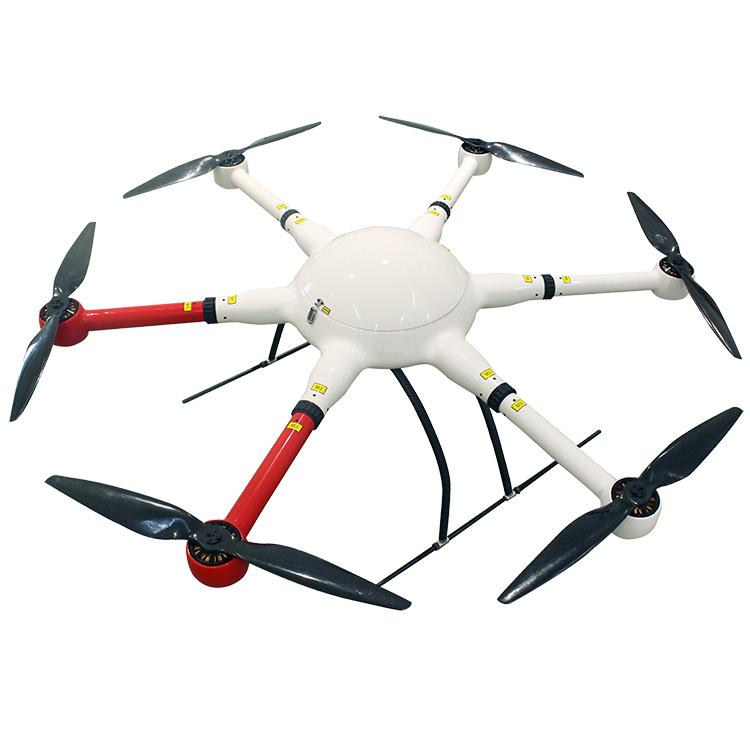 What are the industry standard requirements for operation specifications in the field of drone application?