


How do the radar navigation functions of UAVs detect and avoid obstacles in complex environments?
Detection and obstacle avoidance of UAVs' radar navigation function in complex environments
In today's society, the application scope of UAVs is becoming more and more extensive, ranging from agriculture, construction, logistics, surveying and mapping to rescue and security, almost penetrating into every field. However, the detection and obstacle avoidance capabilities of UAVs in complex environments have always been a challenge, especially under extreme conditions such as low visibility, complex terrain, and severe weather. To meet these challenges, UAVs have started to adopt radar navigation technology to enhance their detection and obstacle avoidance capabilities in complex environments. This article will discuss the detection and obstacle avoidance technology of UAVs' radar navigation function in complex environments.
1. Application of Radar Navigation in Complex Environments
Radar navigation technology detects the position, velocity, and direction of targets by emitting and receiving electromagnetic waves, and it has advantages such as all-weather, all-time, high precision, and high reliability. In the field of unmanned aerial vehicles (UAVs), radar navigation technology is mainly applied in obstacle avoidance, terrain mapping, and target identification. In complex environments such as forests, mountains, deserts, and snowy weather, radar navigation technology can provide accurate detection and obstacle avoidance, helping UAVs to fly smoothly.
Principles of radar navigation in detection and avoidance in complex environments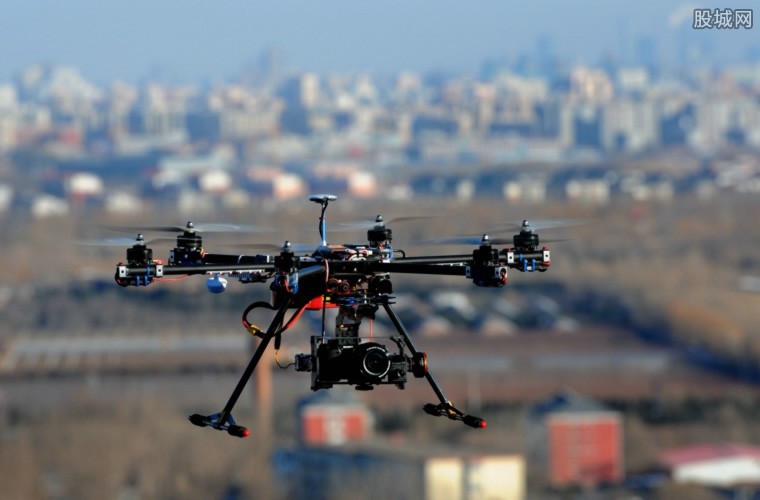
The radar navigation system consists of transmitters, receivers, antennas, and signal processing units. The transmitter generates high-frequency electromagnetic waves, which are emitted into the air through the antenna. When the electromagnetic waves encounter obstacles, they are reflected back, and the receiver receives the reflected signal. The signal processing unit processes the signal to obtain information about the location, speed, and direction of the target. The radar navigation system can obtain the location information of the target in real-time, compare it with the flight path of the drone, and achieve obstacle avoidance.
Techniques of radar navigation in detection and avoidance in complex environments
Radar sensor and multi-sensor fusion: Radar sensors can provide information about the location of targets, but their detection range is limited and is greatly affected by environmental factors. To improve detection accuracy and range, drones usually adopt radar sensor and multi-sensor fusion technology, such as LiDAR, infrared sensors, and ultrasonic sensors, to achieve multi-source information fusion, improve detection accuracy and range, and enhance obstacle avoidance capabilities.
Intelligent obstacle avoidance algorithm: The intelligent obstacle avoidance algorithm can analyze the distance between the flight path of the drone and obstacles in real-time, predict the collision risk between the flight path and obstacles in advance, adjust the flight path of the drone in advance to avoid collisions with obstacles. This algorithm can adjust the flight path of the drone in real-time to avoid collisions with obstacles, improving the flight safety of the drone in complex environments.
Radar signal processing and target recognition: Radar signal processing and target recognition technology can analyze radar signals in real-time, identify the type, size, shape, and speed of targets, and achieve target recognition. This technology can improve the detection and avoidance capabilities of drones in complex environments.
Case studies of radar navigation in detection and avoidance in complex environments
Drones conduct detection and avoidance in complex environments such as forests, mountains, deserts, and snowy weather. For example, drones are used for patrol in forests, mapping in mountains, prospecting in deserts, and rescue operations in snowy weather. Radar navigation technology can provide accurate detection and avoidance in these complex environments, improving the flight safety and detection and avoidance capabilities of drones in complex environments.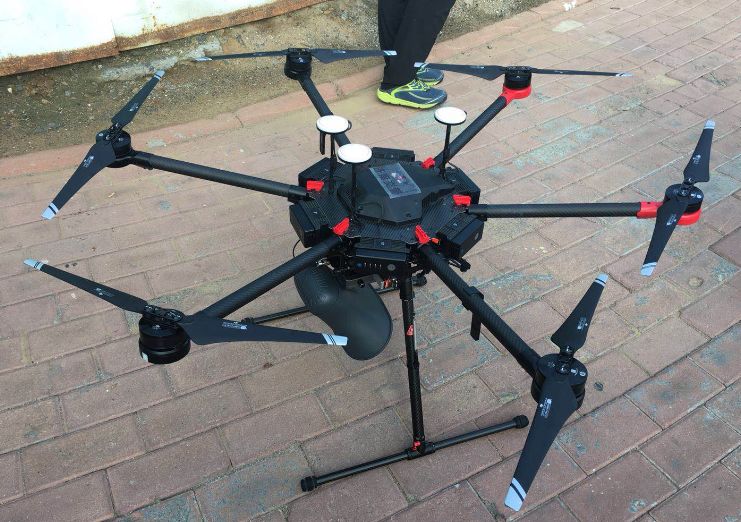
In summary, the radar navigation function of drones can improve the flight safety and the detection and avoidance capabilities of drones in complex environments. With the continuous development of radar navigation technology, the detection and avoidance capabilities of drones in complex environments will become stronger, providing stronger support for the application of drones in complex environments.
 What are the teaching contents to cultivate emergency response capabilities in drone training?
 What are the key technical points of weapon carriage and firing for drones in military strike missions?
 How to adjust shooting parameters during drone shooting to obtain high-quality images?
 What are the industry standard requirements for operation specifications in the field of drone application?