


How do drones adapt and fly safely in the face of meteorological differences at different altitudes?
Meteorological differences at different altitudes have a profound impact on drone flight. These differences not only affect the flight performance of drones but may also threaten flight safety. This article will discuss meteorological changes at different altitudes and how drones adapt to these changes to ensure safe flight.
Meteorological Differences at Different Altitudes
For every 1000 meters of altitude increase, the average temperature decreases by about 6℃, air density decreases, and air pressure decreases. These changes have a multi-faceted impact on the performance and operation of drones.
Temperature Changes: At high altitudes, temperatures are usually lower, which can affect the discharge efficiency of batteries and may require adjustments to flight plans or an increase in battery capacity. At the same time, a low-temperature environment may increase the risk of icing on drones, affecting their normal flight.
Air Pressure Changes: A decrease in air pressure means a reduction in air density, which can affect the propulsion system of drones, such as the efficiency of propellers and thrusters. The drone control system may also be affected by air pressure changes and needs to be adjusted to adapt to the new air pressure environment.
Humidity Changes: High altitudes often come with higher humidity, which may lead to a decrease in battery performance and even the risk of short circuits. At the same time, a high-humidity environment may increase the corrosion risk inside the drone equipment.
Wind Speed and Direction: With the increase in altitude, wind speed usually increases, and wind direction may also change. Drones need to adapt to these changes to ensure flight safety.
How Drones Adapt and Fly Safely
To ensure safe flight at different altitudes, drone manufacturers and operators need to take a series of measures:
Optimized Flight Control System: Drones should be equipped with high-precision sensors and algorithms that can monitor and adjust flight status in real-time, adapting to changes in air pressure, temperature, and humidity.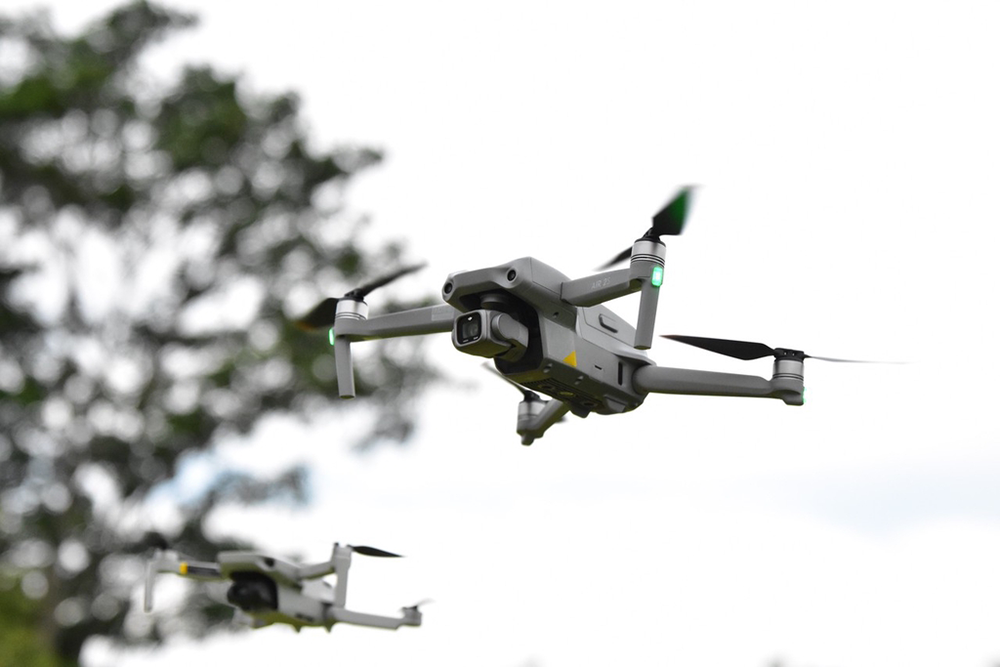
Enhanced Battery Performance: Use high-energy density batteries and optimize the battery management system to ensure stable performance at different altitudes.
Adaptive Design: The design of drones should consider the impact of altitude changes on structures and materials, ensuring stability and safety in high-altitude areas.
Environmental Adaptability Test: Conduct comprehensive environmental adaptability tests to ensure that drones can fly safely at different altitudes. This includes flight tests in environments simulating different altitudes.
Operator Training: Operators should receive professional training to understand the characteristics of meteorology at different altitudes and how to correctly operate drones to cope with these changes.
In summary, the flight of drones at different altitudes requires full consideration of the impact of meteorological changes and the adoption of corresponding adaptive measures. Through these measures, drones can better adapt to various environments and ensure flight safety.
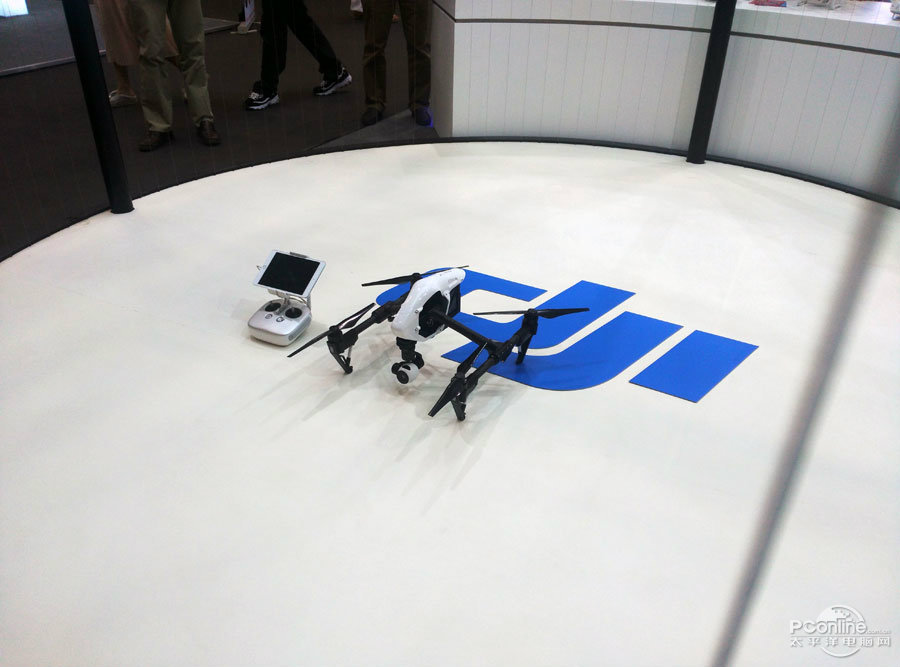 What are the teaching contents to cultivate emergency response capabilities in drone training?
 What are the key technical points of weapon carriage and firing for drones in military strike missions?
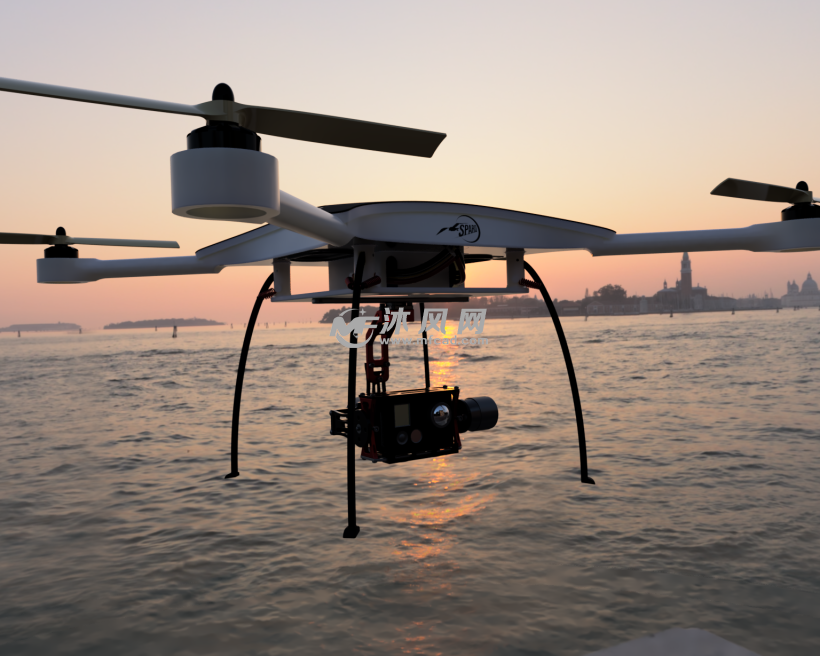 How to adjust shooting parameters during drone shooting to obtain high-quality images?
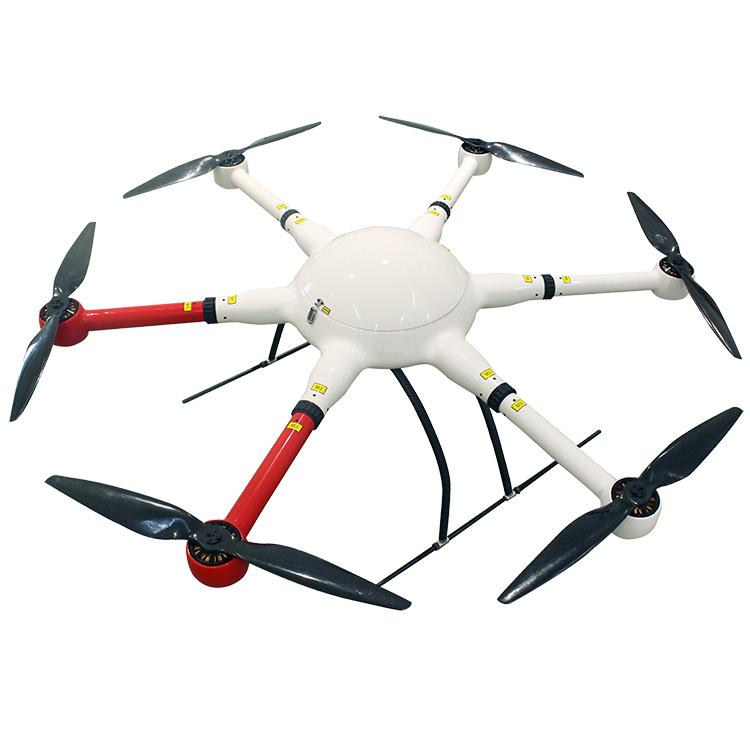 What are the industry standard requirements for operation specifications in the field of drone application?