


What are the measures to enhance the anti-interference capability of military drones and cope with complex electromagnetic battlefield environments?
Military drones are playing an increasingly important role in modern warfare, with their flexibility, mobility, and stealth making them an ideal platform for performing reconnaissance, surveillance, and strike missions. However, with the development of countermeasures technology, the electromagnetic battlefield environment is becoming increasingly complex, and military drones are facing threats from electronic interference, signal suppression, and other aspects. Therefore, enhancing the anti-interference capability of military drones to cope with complex electromagnetic battlefield environments has become an important issue in the field of military science and technology.
Measures to enhance the anti-interference capability of military drones
1. Strengthening signal processing and recognition technology
Modern military drones should be equipped with advanced signal processing and recognition technology to effectively identify and differentiate between friendly signals and enemy interference signals. This includes but is not limited to the application of advanced digital signal processing algorithms, machine learning, and artificial intelligence technologies, which can help drones quickly judge and filter out irrelevant signals, ensuring the accurate reception and processing of key information.
2. Adopting multi-frequency communication systems
The traditional single-frequency communication method is easily susceptible to interference. Therefore, the development and use of multi-frequency communication systems have become a key factor in enhancing the anti-interference capability of military drones. Multi-frequency communication systems can enable drones to transmit data across different frequency ranges, effectively avoiding the risk of interference with a single frequency, enhancing the security and reliability of communication.
3. Utilizing electronic warfare equipment for anti-interference
Electronic warfare equipment is one of the important means to enhance the anti-interference capability of military drones. By deploying electronic warfare equipment, an electromagnetic shielding area can be formed around the drone, effectively inhibiting the propagation of enemy interference signals. In addition, electronic warfare equipment can also counteract interference by utilizing the characteristics of interference signals, such as generating signals similar to interference signals but in the opposite direction to cancel out interference.
4. Strengthening autonomous decision-making and autonomous navigation technology
The application of autonomous decision-making and autonomous navigation technology can enable drones to autonomously adjust flight paths or change communication frequencies when encountering interference, thereby avoiding or reducing the impact of interference. Through artificial intelligence and machine learning technology, drones can continuously learn and adapt to complex electromagnetic environments, improving their self-protection capabilities.
5. Strengthening physical protection measures
In addition to technological improvements, physical protection measures are an indispensable part. For example, the drone body can be made of anti-interference materials to enhance its electromagnetic shielding performance; at the same time, through optimized design, the exposure surface of the drone in the electromagnetic environment can be reduced, thereby lowering the possibility of interference.
Conclusion
Enhancing the anti-interference capability of military drones is a necessary means to adapt to complex electromagnetic battlefield environments. By comprehensively utilizing signal processing and recognition technology, multi-frequency communication systems, electronic warfare equipment, autonomous decision-making and autonomous navigation technology, as well as physical protection measures, the survivability and combat effectiveness of military drones can be significantly enhanced. In the future, with the continuous advancement of relevant technologies, military drones will perform even better in complex electromagnetic battlefield environments, providing more reliable support for military operations.
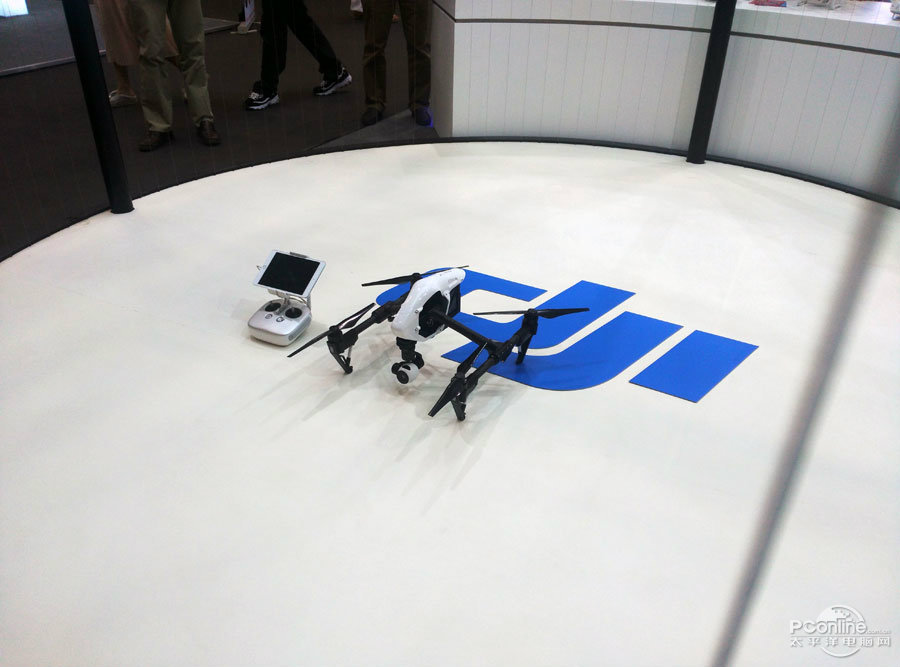 What are the teaching contents to cultivate emergency response capabilities in drone training?
 What are the key technical points of weapon carriage and firing for drones in military strike missions?
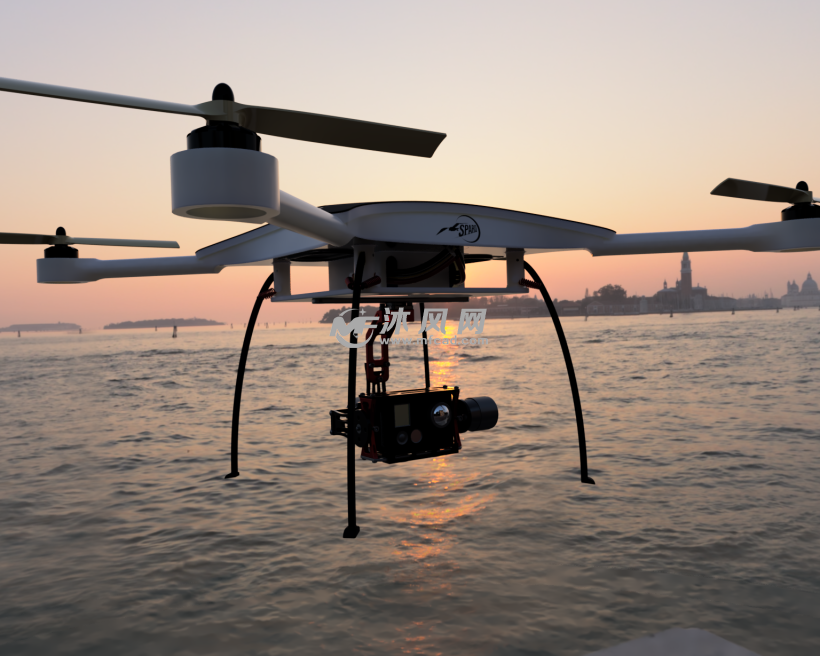 How to adjust shooting parameters during drone shooting to obtain high-quality images?
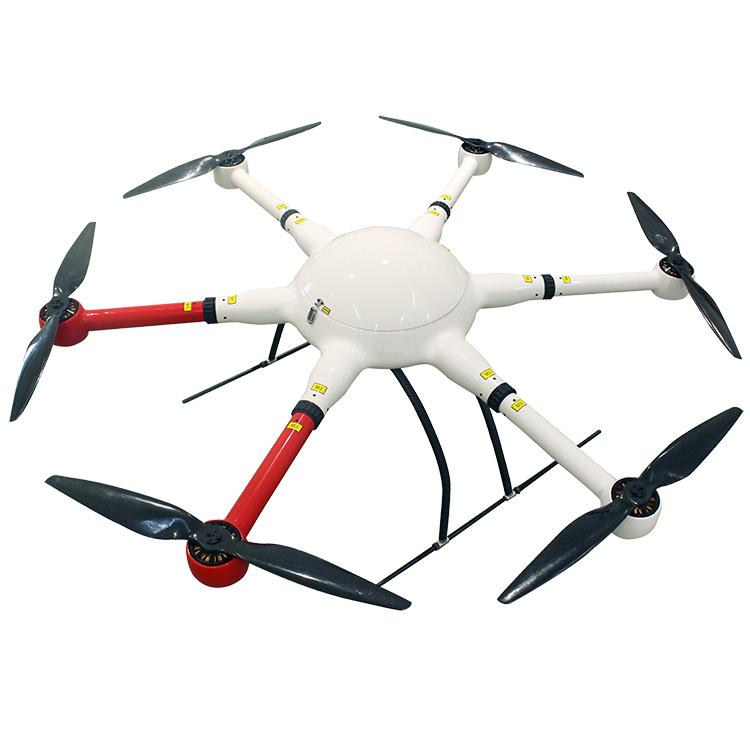 What are the industry standard requirements for operation specifications in the field of drone application?