


How to achieve efficient coordinated attacks in the application of swarm tactics in military unmanned aerial vehicles?
The application of swarm tactics in military unmanned aerial vehicles (UAVs) is a strategy that is increasingly valued in modern warfare. By using multiple UAVs for coordinated operations, not only can the efficiency and accuracy of attacks be significantly improved, but the operational risks can also be effectively reduced, providing commanders with more flexible and diverse operational options. Next, we will discuss how to apply the swarm tactics of military UAVs through efficient coordinated attacks.
1. Basic Concept of Swarm Combat
Swarm combat is the use of multiple drones to conduct coordinated actions in the combat environment, achieving efficient strikes on targets through information sharing and mission planning. This combat style can be regarded as the 'team combat' of drones, where each drone has a specific task, and the overall goal of the entire swarm is to conduct precise strikes on specific targets or areas.
2. Key Elements of Efficient Collaborative Attacks
2.1 Information Sharing and Real-time Communication
Efficient collaborative attacks depend on information sharing and real-time communication between drones. Through advanced communication technologies such as cellular networks and satellite communication, drones can exchange battlefield information, target data, and flight status in real-time. This not only ensures that each drone can obtain the latest battlefield information but also ensures that all drones can coordinate consistently during mission execution.
2.2 Mission Planning and Allocation
Mission planning is a crucial link in swarm combat. Through artificial intelligence and big data analysis technology, optimal task allocation plans can be pre-determined to ensure that drones can complete the set goals in the shortest possible time. In addition, mission planning also needs to consider the collaborative effects between drones, such as improving the accuracy of target identification by sharing sensor data, or reducing mutual interference by optimizing flight paths.
2.3 Task Execution and Real-time Adjustment
During actual mission execution, drones need to be able to adjust their flight paths and attack methods in real-time to respond to various changes on the battlefield. This requires drones to have a high level of autonomy and intelligence, capable of making rapid decisions based on real-time information and making corresponding adjustments. In addition, through real-time monitoring and intervention by ground control stations or remote command centers, necessary adjustments and optimizations can also be made to swarm combat.
3. Challenges and Solutions
Although swarm combat shows great potential, it still faces many challenges in practical applications. For example, how to ensure stable communication between drones within the swarm, how to improve the autonomy and intelligence level of drones, and how to effectively counter enemy interference and defensive measures. Solving these problems requires continuous technological innovation and optimization, including but not limited to:
Improve communication stability: Use more advanced communication technologies (such as 5G communication, satellite communication, etc.) to enhance the reliability and speed of information transmission.
Enhance autonomy and intelligence: Develop more intelligent drone control systems that can complete tasks autonomously without ground control.
Defensive and countermeasures: Research the interference and defensive measures that the enemy may take, and design corresponding countermeasures to ensure the safety of swarm combat.
Conclusion
Military drone swarm combat is an important combat mode in the future of warfare. Through efficient information sharing, mission planning and execution, and intelligent autonomous control, combat efficiency and accuracy can be greatly improved. However, to achieve this goal, many technical challenges need to be overcome. With the advancement of technology, it is believed that military drone swarm combat will bring more efficient and safe combat methods to humanity.
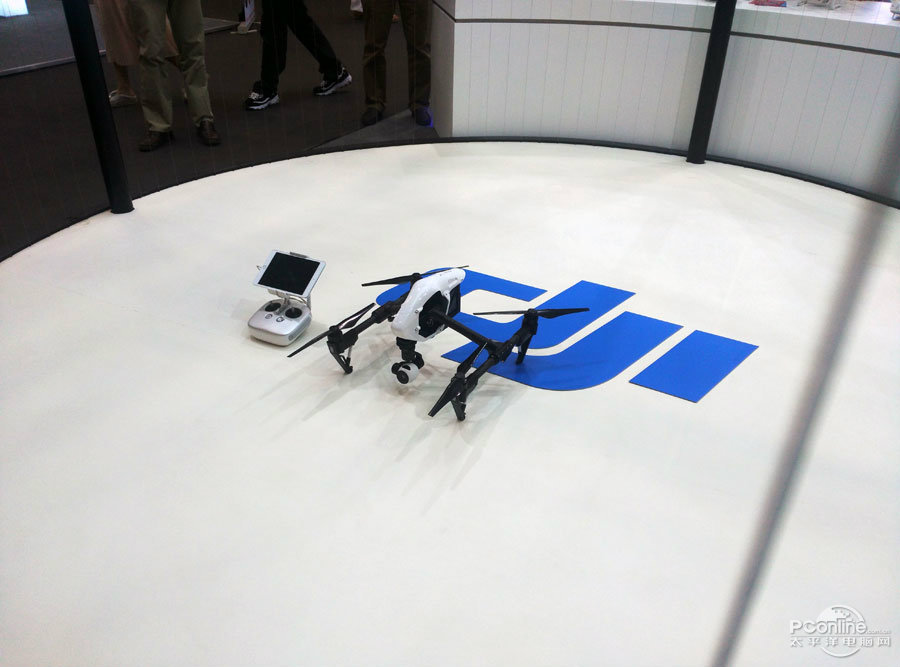 What are the teaching contents to cultivate emergency response capabilities in drone training?
 What are the key technical points of weapon carriage and firing for drones in military strike missions?
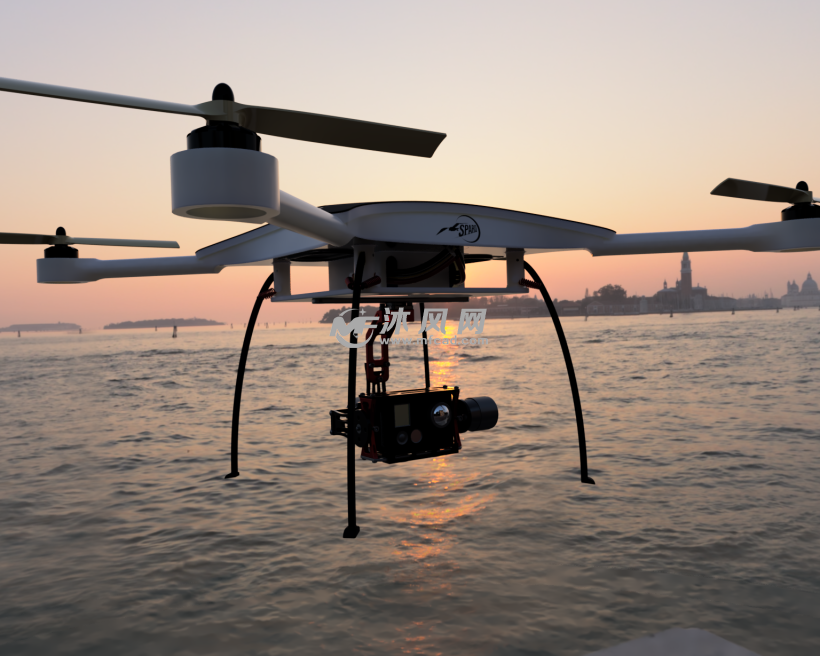 How to adjust shooting parameters during drone shooting to obtain high-quality images?
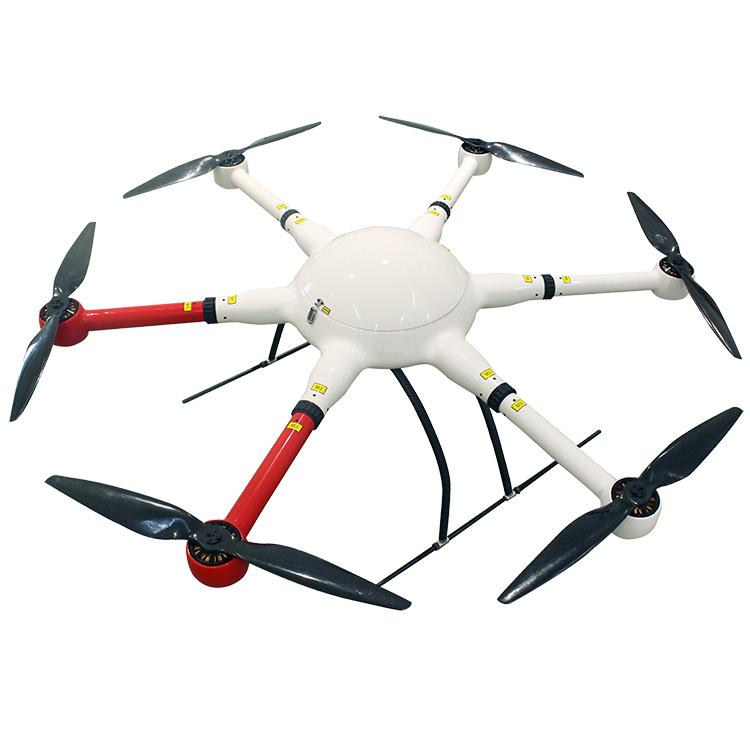 What are the industry standard requirements for operation specifications in the field of drone application?