


What indicators can the intelligent agriculture monitoring function of drones detect in crops and their applications?
What indicators can the intelligent agriculture monitoring function of drones detect in crops and their applications?
With the continuous advancement of science and technology, drone technology has gradually penetrated into the agricultural field, providing new solutions for agricultural production. The intelligent agriculture monitoring function of drones not only helps farmers understand the condition of the farmland more accurately but also improves the efficiency and quality of agricultural production through a data-driven approach, and is an important part of agricultural modernization.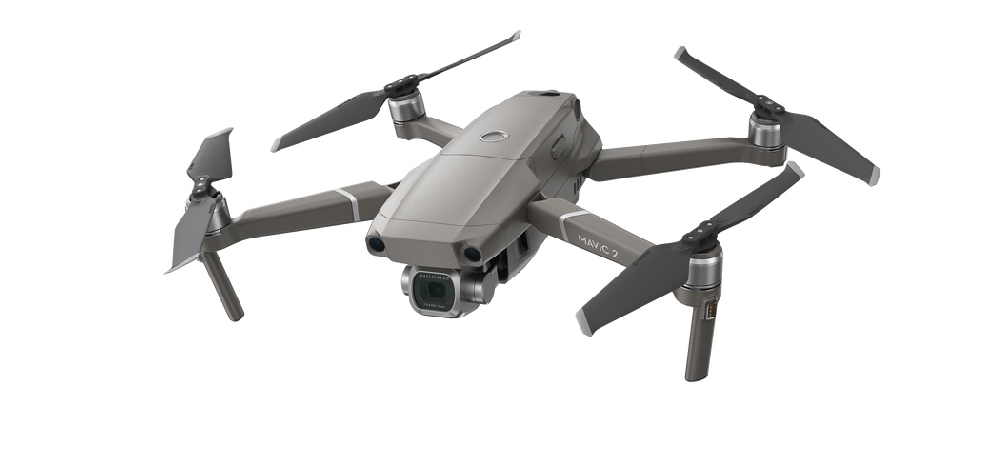
1. The intelligent agriculture monitoring function of drones
The intelligent agriculture monitoring function of drones mainly relies on high-precision sensors, cameras, laser radars, and other equipment to carry out comprehensive and multi-angle monitoring of farmland, obtaining environmental data and crop growth status data of farmland, including soil humidity, temperature, light intensity, pest and disease situations, and crop growth conditions, among other information. These data can help farmers understand the condition of the farmland in a timely manner, detect and solve problems in a timely manner, and avoid decision-making errors caused by inaccurate information in traditional agriculture.
What indicators of crops can be detected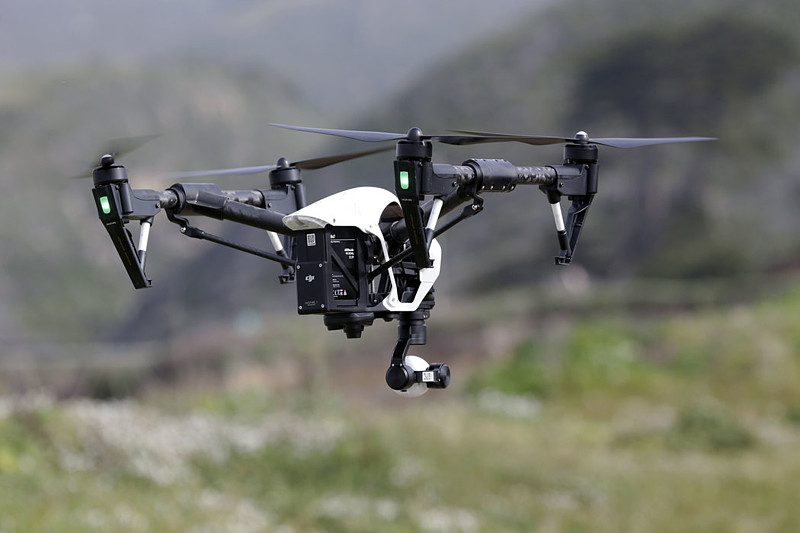
Soil moisture: Equipped with high-precision sensors, it can monitor the soil moisture of farmland in real time, helping farmers understand the soil water condition and avoid the impact on crop growth due to soil drought or excessive moisture.
Soil nutrients: Equipped with laser radar equipment, it can detect the nutrient content of soil, such as the content of nitrogen, phosphorus, potassium, etc., helping farmers understand the soil nutrient status and supplement fertilizers in time to improve crop yield.
Pest and disease situations: Equipped with high-definition cameras, it can take photos of farmland, and through image recognition technology, automatically identify the pest and disease situations in the farmland, providing farmers with accurate pest and disease information and guiding farmers to take timely control measures.
Crop growth conditions: Equipped with high-definition cameras, it can take photos of farmland, and through image recognition technology, automatically identify the growth conditions of crops in the farmland, such as the growth state of crops, leaf color, fruit maturity, etc., providing farmers with accurate crop growth information and guiding farmers to take timely measures to improve crop yield.
Light intensity: Equipped with high-precision sensors, it can monitor the light intensity of farmland in real time, helping farmers understand the light conditions and avoid the impact on crop growth due to insufficient or excessive light.
Application of Unmanned Aerial Vehicle (UAV) Intelligent Agriculture Monitoring
Improving crop yield: By real-time monitoring of farmland soil moisture, soil nutrients, pest and disease situations, crop growth conditions, light intensity and other information, provides farmers with accurate information about farmland conditions, guides farmers to take timely measures, and improve crop yield.
Improving crop quality: By real-time monitoring of farmland soil moisture, soil nutrients, pest and disease situations, crop growth conditions, light intensity and other information, provides farmers with accurate information about farmland conditions, guides farmers to take timely measures, and improve crop quality.
Improving agricultural production efficiency: By real-time monitoring of farmland soil moisture, soil nutrients, pest and disease situations, crop growth conditions, light intensity and other information, provides farmers with accurate information about farmland conditions, guides farmers to take timely measures, and improve agricultural production efficiency.
Improving agricultural production benefits: By real-time monitoring of farmland soil moisture, soil nutrients, pest and disease situations, crop growth conditions, light intensity and other information, provides farmers with accurate information about farmland conditions, guides farmers to take timely measures, and improve the benefits of agricultural production.
The intelligent agriculture monitoring function of drones, through real-time monitoring of farmland soil moisture, soil nutrients, pest and disease situations, crop growth conditions, light intensity and other information, provides farmers with accurate information about farmland conditions, guides farmers to take timely measures, and improves crop yield, quality, production efficiency, and production benefits, which is an important part of agricultural modernization.
 What are the teaching contents to cultivate emergency response capabilities in drone training?
 What are the key technical points of weapon carriage and firing for drones in military strike missions?
 How to adjust shooting parameters during drone shooting to obtain high-quality images?
 What are the industry standard requirements for operation specifications in the field of drone application?