


How does the drone transmission system work to achieve real-time transmission of high-definition images?
The drone transmission system, that is, the drone video transmission system, is an indispensable part of drone operations. It is responsible for transmitting high-definition images or videos captured by the drone's camera in real-time back to the ground control station or to the user, ensuring that the user can real-time grasp the situation of the drone operation site. The working principle and implementation methods of the transmission system have an important impact on the application of drones. Next, we will introduce in detail the working principle of the drone transmission system and how to achieve real-time transmission of high-definition images.
Working principle of the drone transmission system
The drone transmission system mainly consists of ground control stations, transmission equipment, antennas, and drones. Its working principle can be divided into the following steps:
Data collection: Drones equipped with cameras collect video or image data.
Signal processing: The data collected by the camera is transmitted to the ground control station or directly to the receiving end equipment through data links, which may include steps such as image processing and compression during this process.
Signal transmission: Processed data is transmitted from the ground control station or receiving equipment to the receiving end through wireless transmission methods.
Display and storage: After receiving data, the receiving end equipment displays or saves it through display or storage devices.
Key technologies for achieving real-time high-definition image transmission
To achieve real-time high-definition image transmission for drones, it depends on the support of various key technologies, mainly including:
High-speed data link: High-speed data links are the foundation for high-definition image transmission, with commonly used links including WiFi, 4G/5G, satellite links, etc.
Video compression technology: To improve transmission efficiency, video data needs to be compressed, with common compression standards including H.264, H.265, etc.
Real-time encoding and decoding: Real-time encoding converts video streams into formats that can be transmitted over the network, while real-time decoding restores the received data back into a video stream for display or storage.
Anti-interference and stability technology: To ensure the stability and reliability of transmission, it is necessary to use anti-interference technologies such as differential encoding and interleaving encoding, as well as improve the system's fault tolerance capability through redundant data transmission.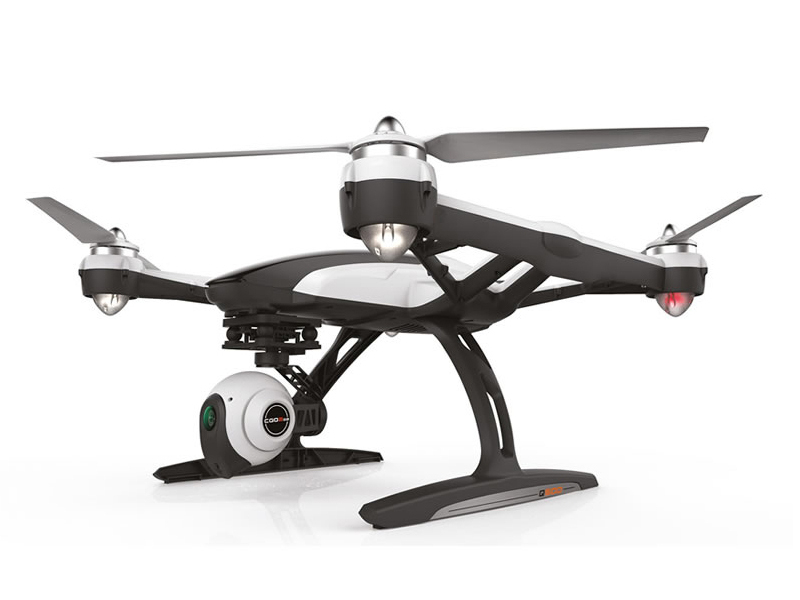 @@@@@@@@@@@@@@@@@@@@@@
High-resolution camera: High-resolution cameras can capture more details, thereby improving image quality.
Conclusion
The drone transmission system not only greatly expands the application fields of drones but also improves work efficiency and safety. With the continuous advancement of technology, we have every reason to believe that the future drone transmission system will be more intelligent and efficient, bringing more convenience and innovation to all industries.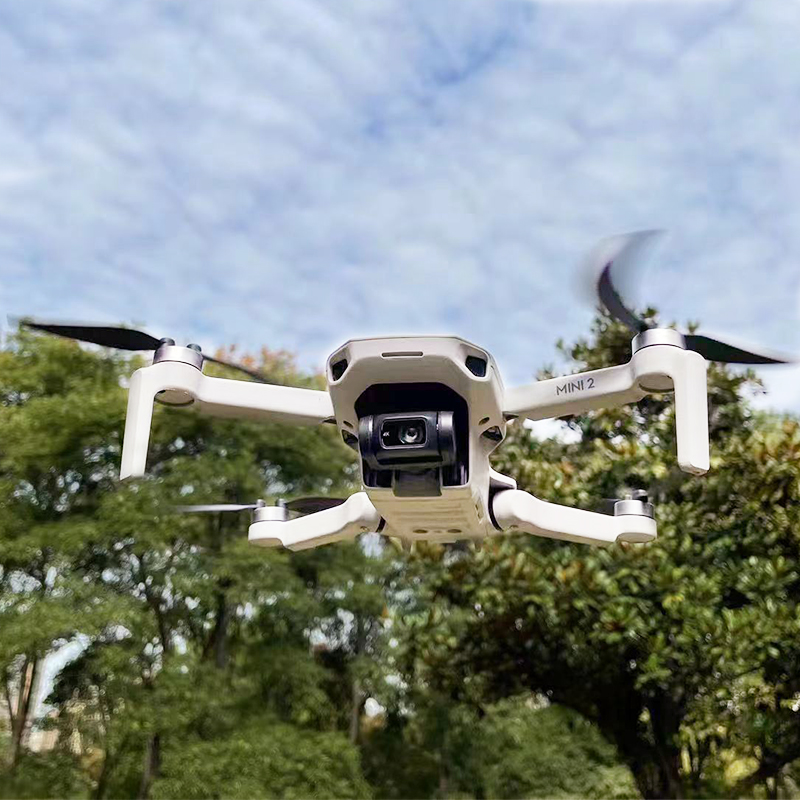
 What are the teaching contents to cultivate emergency response capabilities in drone training?
 What are the key technical points of weapon carriage and firing for drones in military strike missions?
 How to adjust shooting parameters during drone shooting to obtain high-quality images?
 What are the industry standard requirements for operation specifications in the field of drone application?