


How to evaluate the stability and reliability of the flight control system of a drone when choosing one?
When choosing a drone, the stability and reliability of the flight control system are crucial factors, directly affecting the flight performance, task execution effect, and the safety of the operator. Therefore, it is particularly important to evaluate the stability and reliability of the flight control system before purchasing or using a drone. Here are some key indicators and methods for evaluating the stability and reliability of flight control systems:
1. Brand and Historical Record
Brand Reputation: Choosing drones from well-known brands usually means more reliable products. These brands usually have stricter quality control standards and longer product life records.
Historical Record: Review the history of the drone manufacturer to understand the performance of its products in the market and user feedback. Pay attention to whether there have been serious flight accidents or quality issues.
2. Technical Specifications and Design
Hardware Configuration: Understand the hardware configuration of the unmanned aerial vehicle flight control system, including processor speed, memory size, etc. High-performance hardware can provide better stability and reliability.
Software Algorithms: An excellent flight control system is usually based on advanced algorithm design, which can provide more precise control and more stable flight performance. Check the detailed technical documentation provided by the manufacturer to understand the types of algorithms used.
3. User Evaluations and Feedback
Community Feedback: Join drone communities or forums, read other users' evaluations and feedback on the same model or similar models of flight control systems. This can help you understand the problems and solutions in actual use.
Official Support: Check the customer support services provided by the manufacturer, including online forums, technical support hotlines, etc. Good customer support can quickly resolve the problems encountered by users.
4. Flight Test Experience
Actual Operation: If possible, fly the drone yourself. Pay attention to observe the performance of the drone in different flight environments, including stability under wind speed and temperature changes.
Troubleshooting: Try to simulate some common fault situations (such as low battery power, weak GPS signal, etc.) and observe whether the drone can automatically switch to the backup system or perform a safe landing.
5. Maintenance and Upgrade
Maintainability: Understand whether the unmanned aerial vehicle flight control system is easy to maintain and upgrade. A good system should support users to update software through OTA (over-the-air download) to obtain the latest features and improvements.
Compatibility: Check whether the flight control system supports the latest drone platforms and is compatible with other devices (such as smartphones, tablets, etc.).
In summary, evaluating the stability and reliability of an unmanned aerial vehicle flight control system is a comprehensive assessment process. In addition to the several aspects mentioned above, it is also necessary to make a comprehensive judgment based on your specific needs and usage scenarios. Choosing an excellent flight control system can not only enhance the overall performance of the drone but also ensure safety during operation.
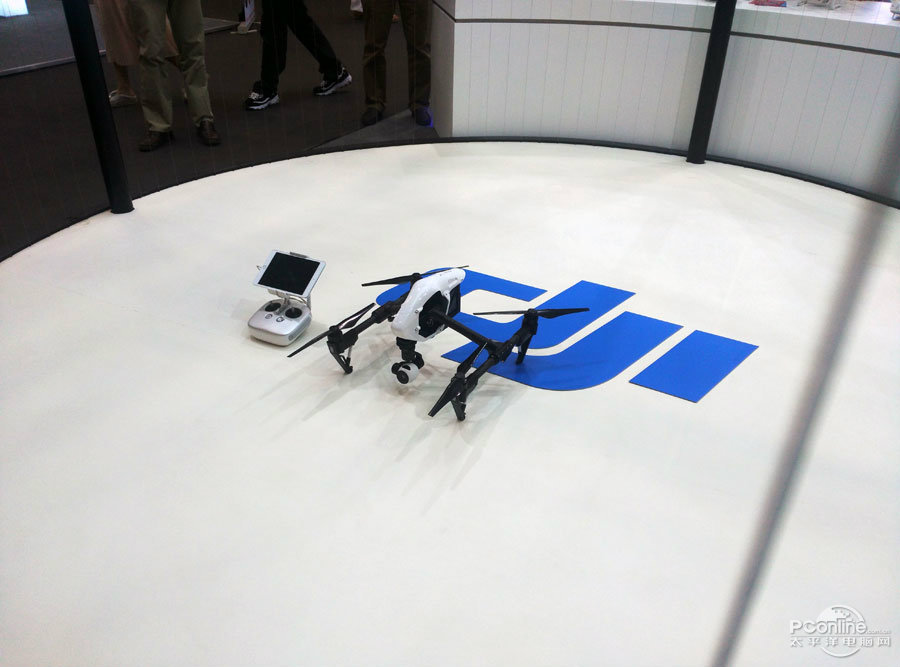 What are the teaching contents to cultivate emergency response capabilities in drone training?
 What are the key technical points of weapon carriage and firing for drones in military strike missions?
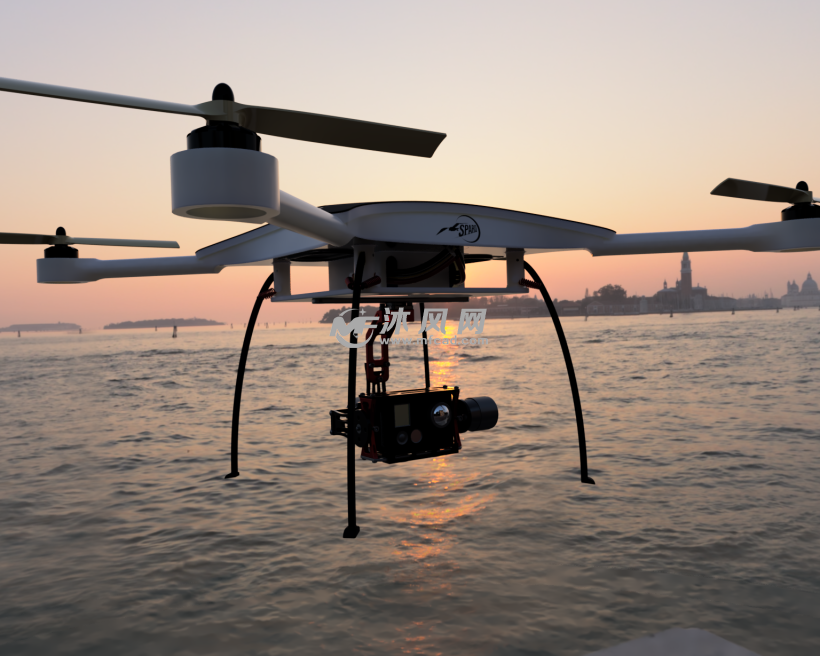 How to adjust shooting parameters during drone shooting to obtain high-quality images?
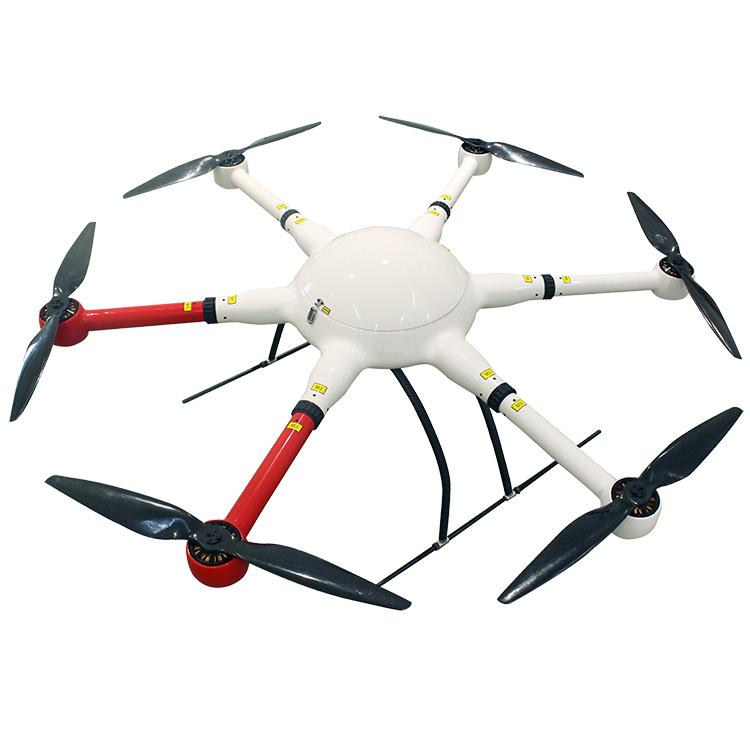 What are the industry standard requirements for operation specifications in the field of drone application?