


What are the basic principles of UAV flight safety that operators should remember?
The safety of unmanned aerial vehicles (UAVs) is an important issue to ensure the safety of UAV operators and the surrounding environment. With the rapid development of UAV technology, the application scope of UAVs is becoming more and more extensive, from agriculture, construction, surveying and mapping to entertainment, logistics and other fields, the application of UAVs is changing our way of life. However, the safety issues of UAV flight are also becoming increasingly prominent, especially in public safety, privacy protection and environmental impact. In order to ensure the safety of UAV operation, operators need to strictly comply with a series of basic principles. The following are some key points:
1. Comply with laws and regulations
Drone operations must strictly comply with relevant national and regional laws and regulations. For example, many countries and regions have strict regulations on drone flight altitude, flight range, flight time, etc. Operators need to understand and comply with these regulations to ensure that drone flight activities are legal and compliant.
2. Maintain the airworthiness of the drone
Before drone operation, operators need to ensure that the drone is in good working condition, including battery power, flight control system, communication links, and other key components. Regular maintenance and inspections of the drone should be carried out to ensure that its performance meets standards.
3. Avoid flying in no-fly zones
Operators should avoid flying in no-fly zones such as military facilities, airports, wildlife reserves, etc. Before flight, understand and avoid these no-fly zones to ensure the safety of drone flights.
4. Maintain distance from the ground
When operating drones, operators need to ensure sufficient distance from the ground to avoid collisions. Especially in urban environments, the height and density of buildings may pose challenges to drone flight. Operators need to set appropriate flight altitudes based on the performance of the drone and the flight environment.
5. Pay attention to the flight path of the drone
Operators need to ensure that the flight path of the drone does not pose a threat to others, including avoiding flying in crowded areas, avoiding other aircraft, etc. When operating drones, operators should remain highly vigilant to ensure the safety of the drone's flight path.
6. Use safe communication links
Drone operations depend on communication links to transmit control commands and image information. Operators should ensure that the communication links used are stable and reliable to avoid flight loss due to unstable communication links.
7. Comply with operation specifications
Operators should strictly comply with drone operation specifications, including operational procedures, emergency response measures, etc. Operators should receive professional training to understand drone operation techniques and emergency handling methods.
8. Maintain the visibility of the drone
During the flight, operators should ensure that the drone remains visible at all times so that timely measures can be taken in emergency situations. When operating drones, operators should avoid flying when visibility is obstructed.
9. Comply with weather conditions
Operators should adjust their flight plans according to weather conditions. Under adverse weather conditions such as thunderstorms and strong winds, operators should avoid flying to ensure flight safety.
10. Comply with privacy protection regulations
Drone operations should comply with privacy protection regulations to avoid infringing on others' privacy rights. Before flight, operators should understand and comply with relevant laws and regulations to ensure that drone flight activities do not infringe on others' privacy rights.
In summary, drone operators must strictly comply with the aforementioned basic principles to ensure the safety of drone flights. This not only concerns the safety of the operators themselves but also the safety of the surrounding environment and others. By strictly adhering to these principles, we can minimize the risks associated with drone flights and ensure the safe and efficient application of drone technology.
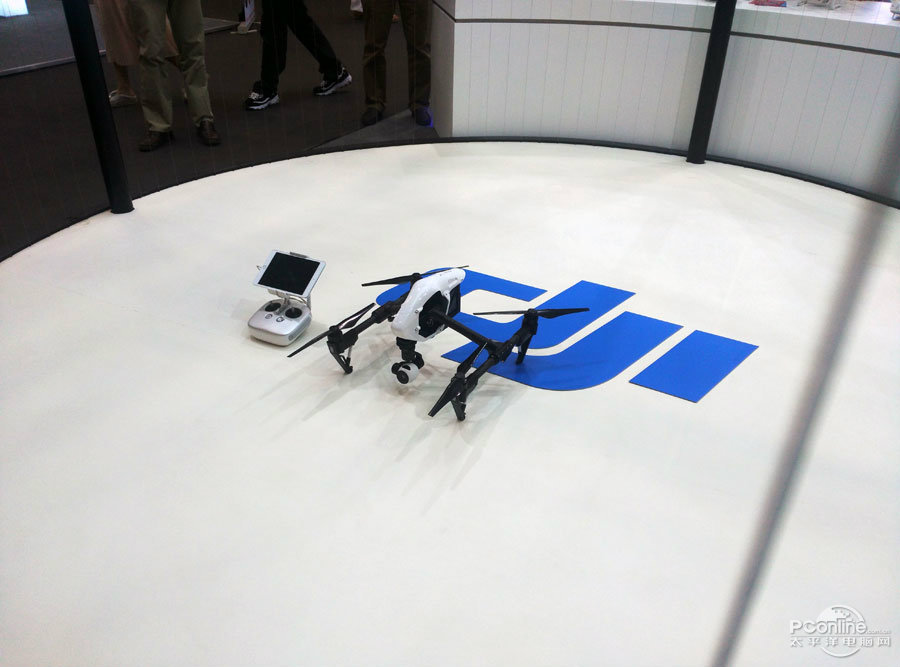 What are the teaching contents to cultivate emergency response capabilities in drone training?
 What are the key technical points of weapon carriage and firing for drones in military strike missions?
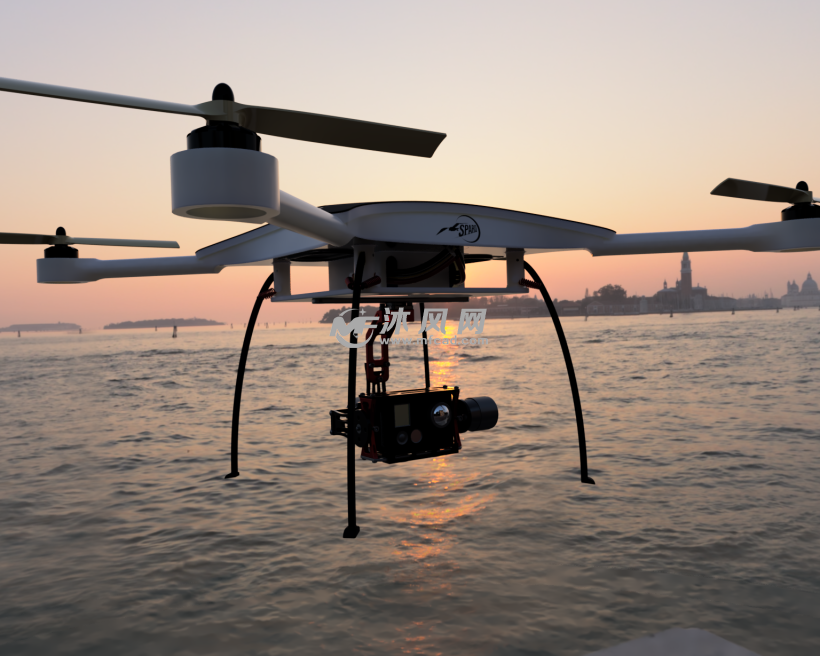 How to adjust shooting parameters during drone shooting to obtain high-quality images?
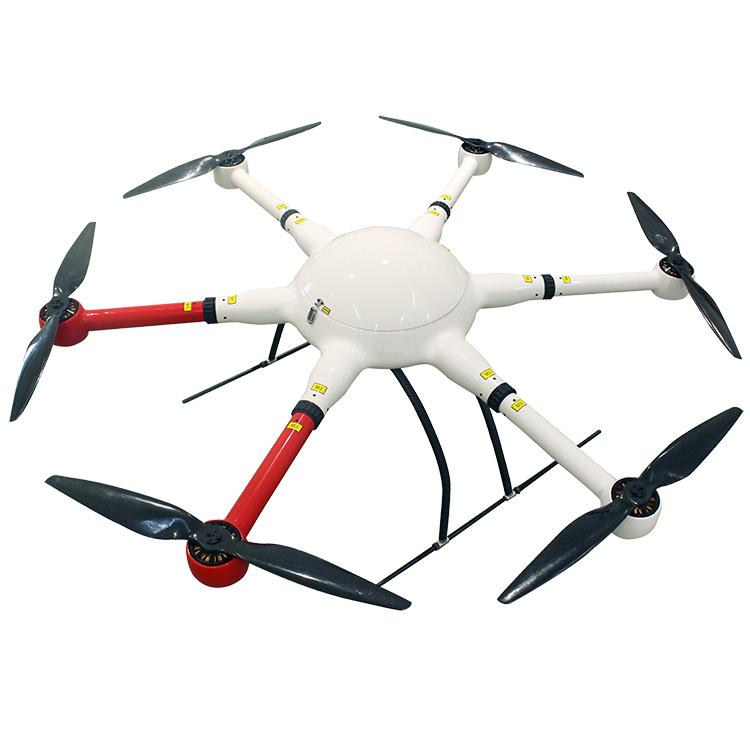 What are the industry standard requirements for operation specifications in the field of drone application?