


What are the types and design points of the drone landing gear and how do they adapt to different takeoff and landing environments?
The design of the landing gear of drones is one of the key factors to ensure the safe takeoff and landing. The landing gear not only needs to provide sufficient support to ensure the stability of the drone on the ground or obstacles, but also has the ability to be lightweight, durable, and adaptable to different takeoff and landing environments. According to the different characteristics of the drone's use, size, weight, and flight environment, the design of the landing gear also varies. The following will discuss in detail the types and design points of the drone landing gear.
1. Types of Landing Gear
1.1 Fixed-type Landing Gear
Fixed-type landing gears are the type commonly used by most fixed-wing unmanned aerial vehicles. This type of landing gear has a simple structure, light weight, and easy maintenance. However, fixed-type landing gears need to make contact with the ground during takeoff and landing, so they have high requirements for the flatness of the ground and are not suitable for use in complex terrain or harsh environments.
1.2 Sled-type Landing Gear
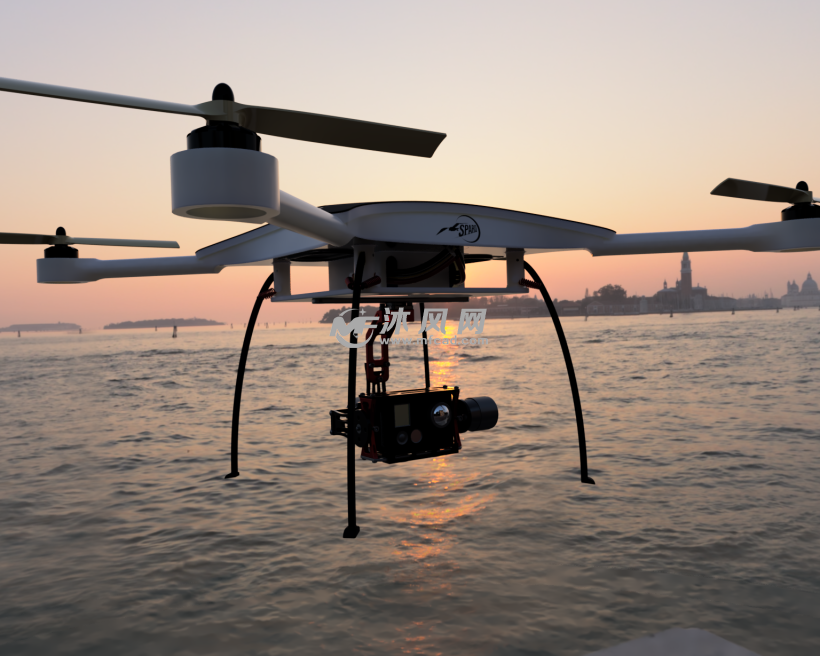
Sled-type landing gears are suitable for unmanned aerial vehicles that require frequent takeoff and landing, such as multi-rotor unmanned aerial vehicles. This type of landing gear has sleds installed under the wheels, which come into contact with the ground when the unmanned aerial vehicle slides on the ground, providing cushioning and stability. Sled-type landing gears can adapt to various terrains, including grasslands and mud, but they are heavier and not suitable for high-altitude flights.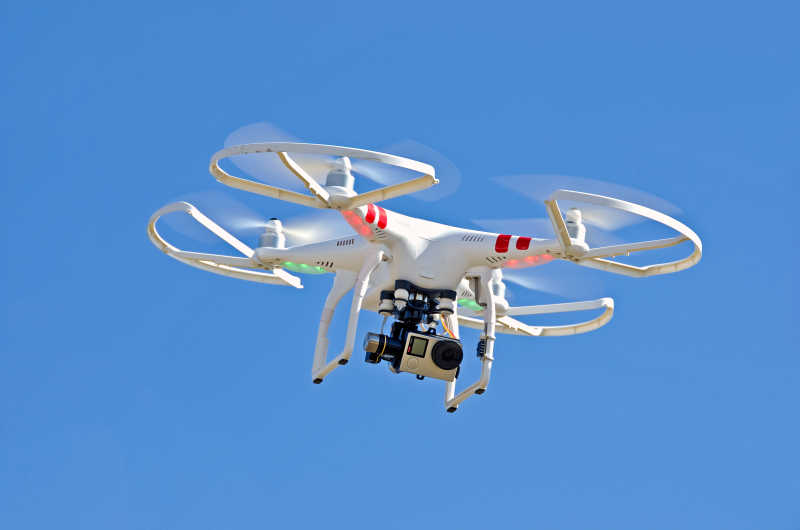
1.3 Support-type Landing Gear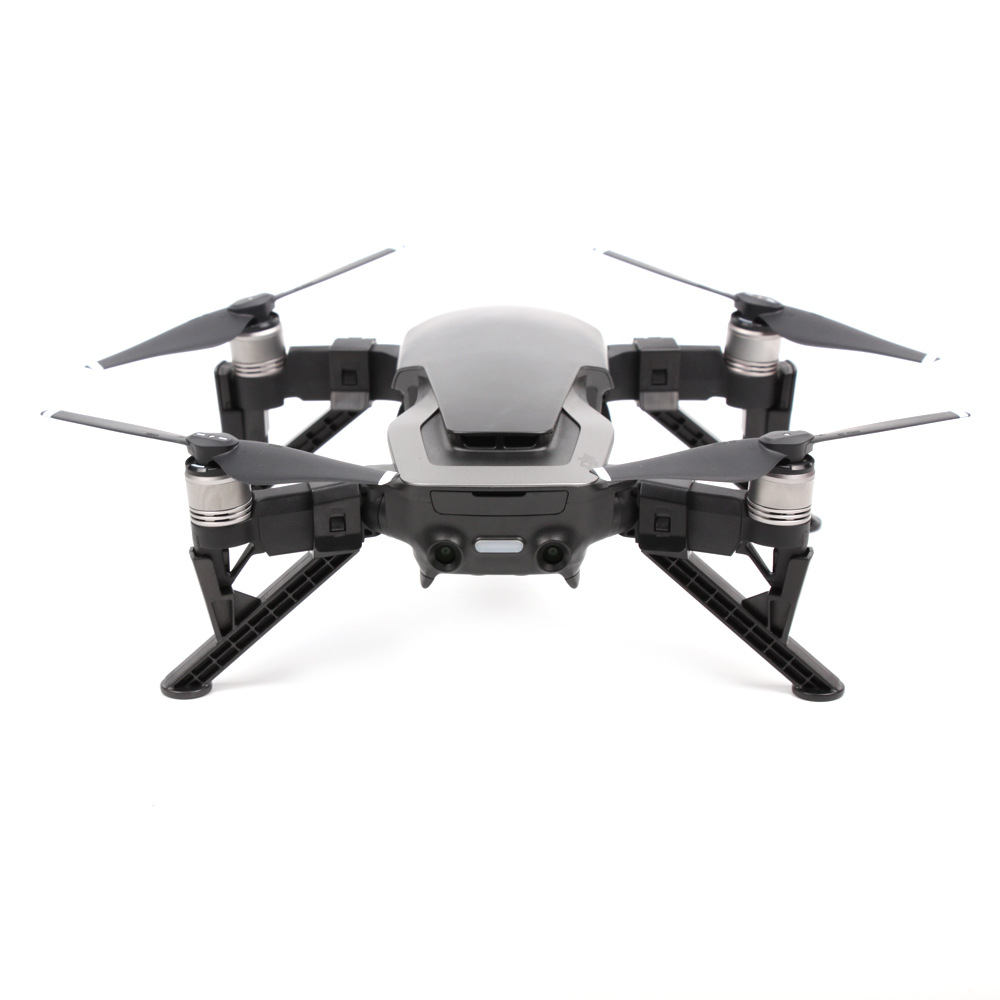
Support-type landing gears are usually used for fixed-wing unmanned aerial vehicles, which provide support during takeoff and landing. This type of landing gear is usually composed of multiple support legs, each equipped with a shock absorber to effectively reduce impact force. The design of support-type landing gears is complex, and they are heavier, but they can provide better stability and are suitable for complex terrain and harsh environments.
1.4 Sled-type Landing Gear
Sled-type landing gears are mainly used for fixed-wing unmanned aerial vehicles, which provide support and damping through sleds in contact with the ground. This design is suitable for unmanned aerial vehicles that need to slide on tracks, such as some military unmanned aerial vehicles. Sled-type landing gears can adapt to various ground conditions, but they have higher requirements for ground tracks and higher installation and maintenance costs.
2. Design Points
2.1 Durability and Strength
The landing gear needs to have sufficient strength and durability to withstand the huge impact forces generated during the takeoff and landing of the unmanned aerial vehicle. The choice of material is crucial, and high-strength aluminum alloys, carbon fibers, and other lightweight materials are usually used.
2.2 Stability and Damping
The design of the landing gear needs to ensure the stability of the unmanned aerial vehicle during takeoff and landing. The use of shock absorbers can effectively reduce impact force, reduce damage to the ground by the unmanned aerial vehicle, and improve the service life of the unmanned aerial vehicle.
2.3 Adaptability
The design of the landing gear needs to take into account the purpose, size, weight, and flight environment of the unmanned aerial vehicle, etc., to adapt to different takeoff and landing environments. For example, for unmanned aerial vehicles that require frequent takeoff and landing, a sled-type landing gear is a good choice; while for fixed-wing unmanned aerial vehicles, a support-type landing gear is more suitable.
2.4 Weight and Volume
The design of the landing gear also needs to consider weight and volume to ensure the overall performance of the unmanned aerial vehicle. The smaller the weight and volume of the landing gear, the better the overall performance of the unmanned aerial vehicle, which also helps to improve the endurance capability of the unmanned aerial vehicle.
The design of an unmanned aerial vehicle's landing gear is a complex process that requires comprehensive consideration of various factors. With the development of technology, the design of future unmanned aerial vehicle landing gears will become more intelligent to adapt to more complex environments and application scenarios.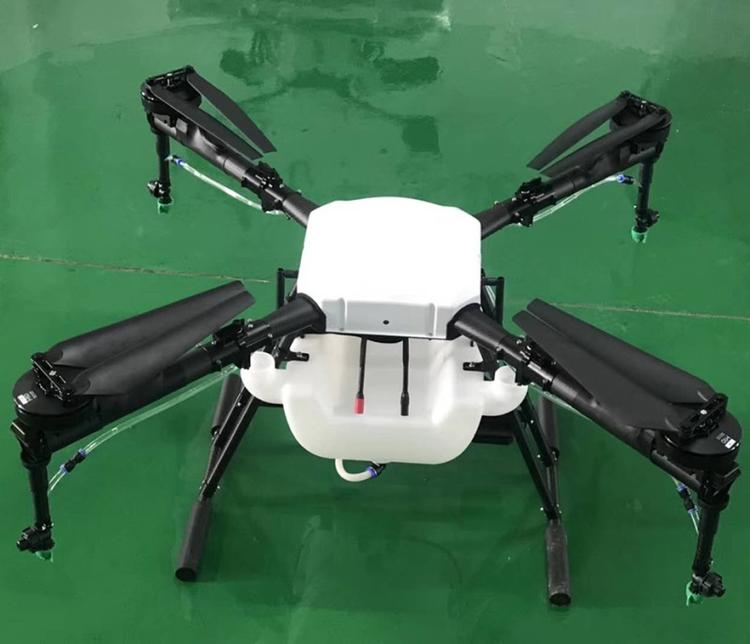
 What are the teaching contents to cultivate emergency response capabilities in drone training?
 What are the key technical points of weapon carriage and firing for drones in military strike missions?
 How to adjust shooting parameters during drone shooting to obtain high-quality images?
 What are the industry standard requirements for operation specifications in the field of drone application?