


How important is the tail rotor structure function to flight attitude control?
The importance of the tail rotor structure function to flight attitude control
In the flight control of the unmanned helicopter, the tail rotor, as an important part of the helicopter's tail, plays a crucial role in the control of flight attitude. This article will discuss in detail the function of the tail rotor structure of the unmanned helicopter and its importance in flight attitude control.
The structural function of the tail rotor
The tail rotor of the unmanned helicopter is usually composed of parts such as blades, hub, tail shaft, tail cover, tail frame, and transmission mechanism. The main functions of the tail rotor structure include:
Change the heading of the helicopter. By changing the pitch of the tail rotor blades, it is possible to achieve heading control of the helicopter, that is, to change the forward direction of the helicopter.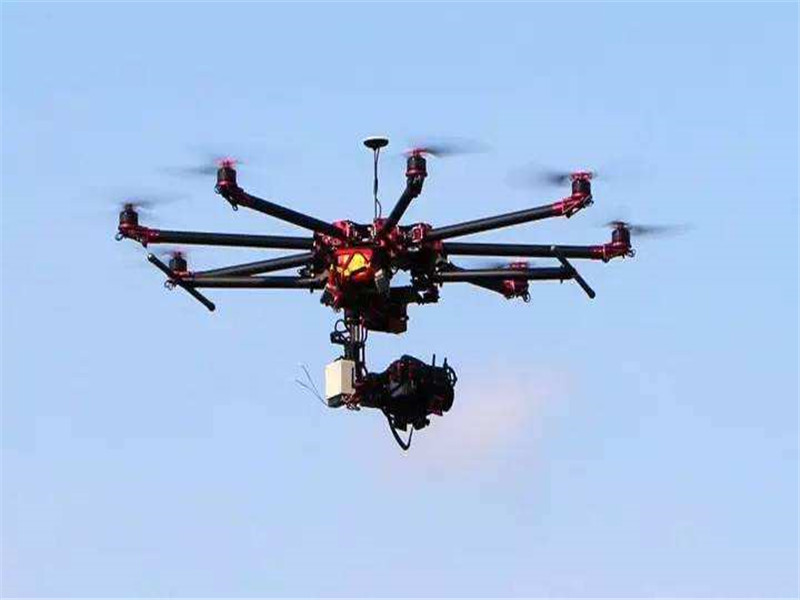
Provide reverse moment. The reverse moment of the tail rotor can be used to counteract the main moment generated by the helicopter's main rotor, thus maintaining the helicopter's balanced attitude and preventing the helicopter from rolling over.
Change the flight attitude of the helicopter. By changing the pitch of the tail rotor, it is possible to achieve pitch and roll control of the helicopter, that is, to change the ascending and descending speed and the angle of tilt of the helicopter.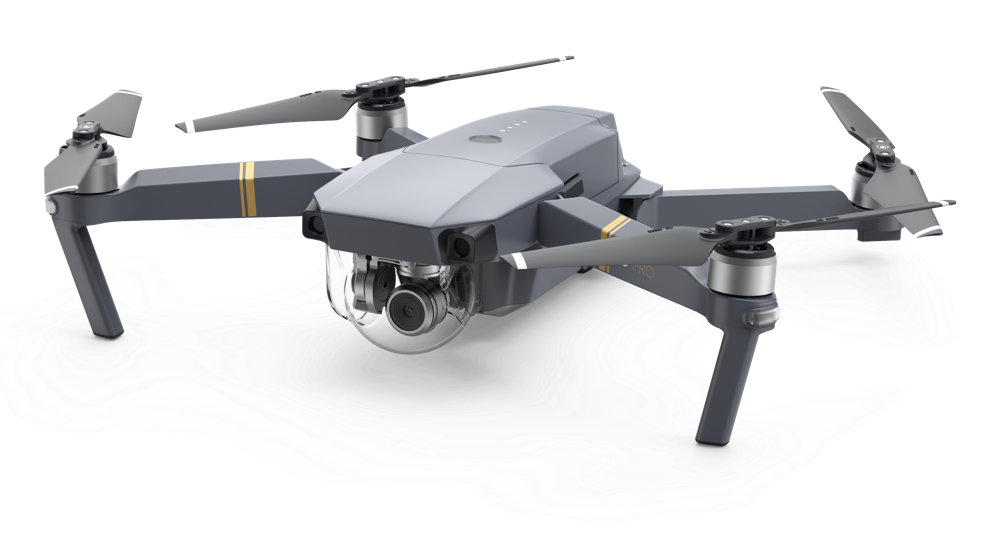
The importance of the tail rotor to flight attitude control
Ensure flight safety. The flight attitude control of the unmanned helicopter is crucial for flight safety. If the flight attitude control of the unmanned helicopter fails, it may lead to flight loss of control, even causing a crash accident. The structural function of the tail rotor plays a key role in flight attitude control, ensuring the stability and safety of the flight attitude of the unmanned helicopter.
Improve flight efficiency. The flight attitude control of the unmanned helicopter directly affects flight efficiency. By precisely controlling the pitch of the tail rotor, it is possible to achieve efficient flight of the unmanned helicopter, improve flight efficiency, and reduce flight costs.
Enhance flight performance. The structural function of the tail rotor has an important impact on the flight performance of the unmanned helicopter. By optimizing the design of the tail rotor, the flight speed, lift, stability, and maneuverability of the unmanned helicopter can be improved.
Improve the flight experience. The flight attitude control of the unmanned helicopter directly affects the flight experience. By precisely controlling the pitch of the tail rotor, it is possible to achieve smooth flight of the unmanned helicopter, improve the flight experience, and allow the operator to better control the unmanned helicopter.
In summary, the tail rotor structure and function of the unmanned helicopter play a crucial role in flight attitude control. The structural design and functional optimization of the tail rotor can ensure the stability and safety of the flight attitude of the unmanned helicopter, improve flight efficiency and performance, and enhance the flight experience. In the future, with the development of unmanned helicopter technology, the research and optimization of the tail rotor structure and function will become more important to adapt to various flight environments and mission requirements.
 What are the teaching contents to cultivate emergency response capabilities in drone training?
 What are the key technical points of weapon carriage and firing for drones in military strike missions?
 How to adjust shooting parameters during drone shooting to obtain high-quality images?
 What are the industry standard requirements for operation specifications in the field of drone application?