


What are the technical and management measures to reduce noise pollution generated by drones during flight?
Technical and management measures to reduce noise pollution generated by drones during flight
The use of drones is gradually becoming an important means of transportation, but the noise pollution problem generated during their flight has also attracted people's attention. In order to reduce the noise pollution generated during the flight of drones, we can solve this problem through the following technical and management measures.
Firstly, technical measures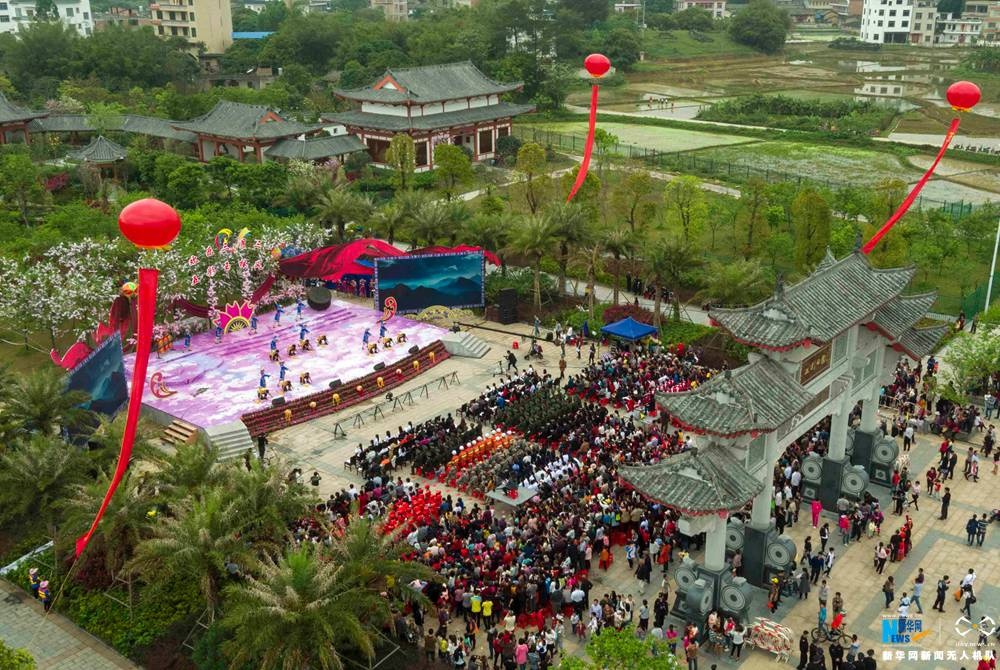
Flight control technology: Drone flight control technology is the core of drone noise pollution control. By optimizing flight paths, adjusting flight speeds, and using advanced flight control systems, we can effectively reduce the noise generated during the flight of drones. For example, using advanced navigation and obstacle avoidance technologies, drones can avoid obstacles such as buildings and trees, thereby reducing the noise generated during flight. In addition, using low-noise propeller designs can effectively reduce the noise generated during the flight of drones.
Aircraft design: The design of drones plays a crucial role in reducing noise pollution. For example, using lighter materials such as carbon fiber can reduce the weight of drones, thereby reducing the noise generated during their flight. At the same time, using smaller propeller sizes can reduce the noise generated by drones during flight. In addition, the wing shape and layout of drones can also affect the noise generated during their flight. For example, using more streamlined wing designs can reduce the noise generated by drones during flight.
Noise-absorbing materials: The body of drones can use some materials with sound-absorbing effects, such as foam, cotton, and sponge, to absorb the noise generated during the flight of drones. These materials can effectively absorb and disperse the noise generated during the flight of drones, thus reducing the noise pollution generated during the flight of drones.
Secondly, management measures
Planning of drone flight areas: In order to reduce the noise pollution generated during the flight of drones, we need to scientifically plan the flight areas of drones. For example, planning drone flight areas in open spaces away from residential areas and sensitive areas can reduce the impact of the noise generated during the flight of drones on surrounding residents and sensitive areas.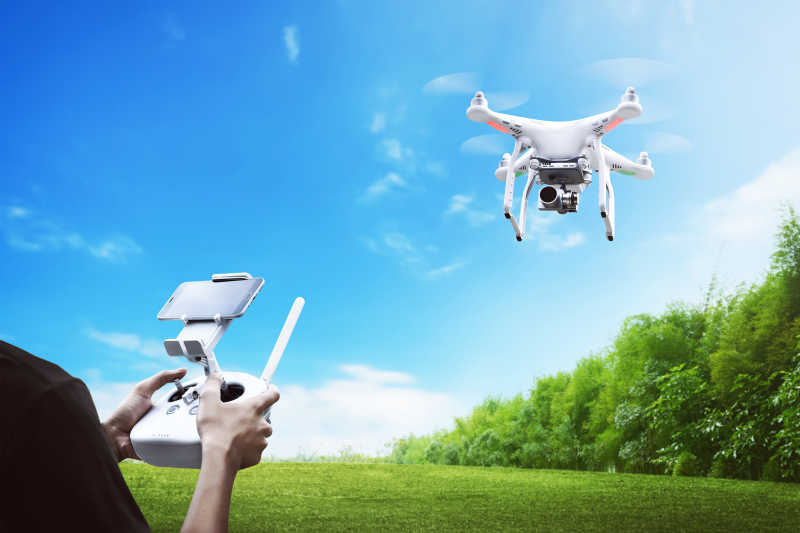
Limitation of drone flight time: In order to reduce the noise pollution generated during the flight of drones, we need to limit the flight time of drones. For example, prohibiting drone flights in residential areas, schools, hospitals, and other sensitive areas can reduce the impact of the noise generated during the flight of drones on surrounding residents and sensitive areas.
Limitation of drone flight altitude: In order to reduce the noise pollution generated during the flight of drones, we need to limit the flight altitude of drones. For example, prohibiting drones from flying at heights exceeding 100 meters can reduce the impact of the noise generated during the flight of drones on surrounding residents and sensitive areas.
Monitoring of drone flight noise: In order to reduce the noise pollution generated during the flight of drones, we need to monitor the noise of drone flights. For example, through drone flight noise monitoring equipment, we can monitor the noise generated during the flight of drones in real time, and adjust the flight path of drones in time to reduce the noise generated during the flight of drones.
The noise pollution problem generated during the flight of drones is a complex issue that requires us to adopt various technical and management measures to address it. Only in this way can we achieve efficient, safe, and environmentally friendly flight of drones.
 What are the teaching contents to cultivate emergency response capabilities in drone training?
 What are the key technical points of weapon carriage and firing for drones in military strike missions?
 How to adjust shooting parameters during drone shooting to obtain high-quality images?
 What are the industry standard requirements for operation specifications in the field of drone application?