


Innovative perspectives and shooting points in the presentation of drones in sports event broadcasts?
Innovative perspectives and shooting points in the presentation of drones in sports event broadcasts
With the rapid development of science and technology, drone technology is gradually emerging in sports event broadcasting and has become a new medium of communication in sports event broadcasting, bringing viewers an unprecedented visual experience. The application of drones in sports events not only provides viewers with a unique perspective but also achieves more accurate shooting in event broadcasts, enhancing the watchability and entertainment value of event broadcasts.
Application of drones in sports events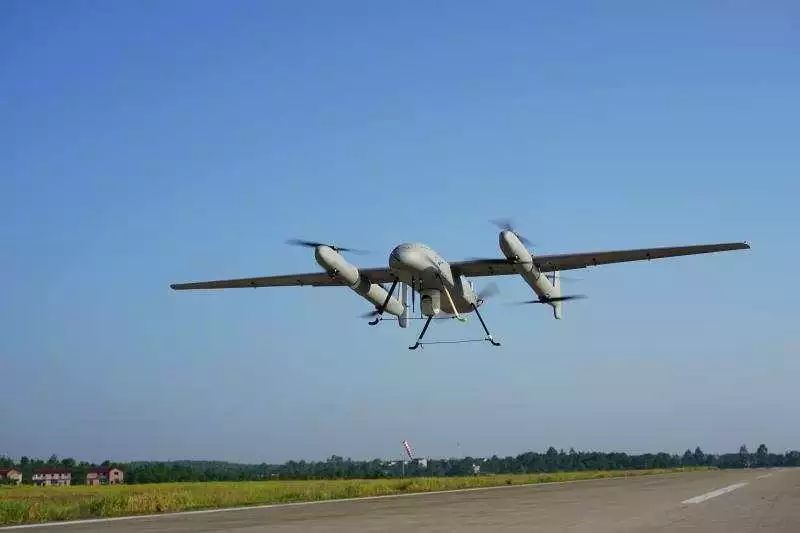
The application of drones in sports events is mainly reflected in aspects such as aerial live broadcasts of events, shooting of live broadcast scenes, and presentation of aerial perspectives in event broadcasts. The flexible maneuverability and multi-angle shooting capability of drones enable them to break through the limitations of traditional broadcasting perspectives, providing viewers with a richer visual experience.
Shooting of event live broadcast images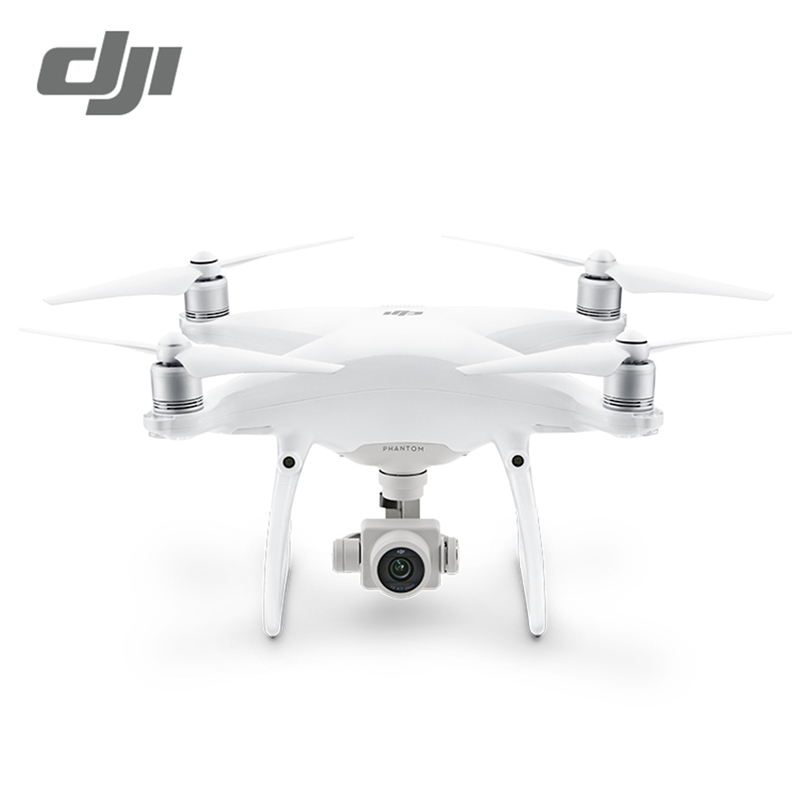
In sports events, drones can serve as mobile shooting equipment, providing spectators with all-around and multi-angle views of the event. For example, in basketball games, drones can hover above the basket, offering a panoramic view from the air, allowing spectators to have a more intuitive understanding of the game progress and the players' coordination; in football games, drones can hover above the pitch, offering a panoramic view from the air, allowing spectators to have a more intuitive understanding of the game progress and the players' coordination; in track and field events, drones can hover above the track, offering a panoramic view from the air, allowing spectators to have a more intuitive understanding of the game progress and the athletes' sprinting speed.
Presentation of aerial perspectives in event broadcasting
In sports event broadcasting, drones can serve as tools for presenting broadcast perspectives, providing spectators with more unique perspectives. For example, in football games, drones can hover above the pitch, offering a panoramic view from the air, allowing spectators to have a more intuitive understanding of the game progress and the players' coordination; in track and field events, drones can hover above the track, offering a panoramic view from the air, allowing spectators to have a more intuitive understanding of the game progress and the athletes' sprinting speed; in basketball games, drones can hover above the basket, offering a panoramic view from the air, allowing spectators to have a more intuitive understanding of the game progress and the players' coordination.
Shooting of event live broadcast images
In the shooting of sports event live broadcasts, drones can serve as mobile shooting equipment, providing spectators with all-around and multi-angle views of the event. For example, in basketball games, drones can hover above the basket, offering a panoramic view from the air, allowing spectators to have a more intuitive understanding of the game progress and the players' coordination; in football games, drones can hover above the pitch, offering a panoramic view from the air, allowing spectators to have a more intuitive understanding of the game progress and the players' coordination; in track and field events, drones can hover above the track, offering a panoramic view from the air, allowing spectators to have a more intuitive understanding of the game progress and the athletes' sprinting speed.
II. Key points for drone shooting in sports event broadcasting
Determining the shooting position and angle of drones
In sports event broadcasting, the shooting position and angle of drones are crucial factors determining the quality of the broadcasted images. The shooting position and angle of drones need to be determined according to the characteristics of the event and the needs of the audience. For example, in basketball games, drones can hover above the basket, offering a panoramic view from the air, allowing spectators to have a more intuitive understanding of the game progress and the players' coordination; in football games, drones can hover above the pitch, offering a panoramic view from the air, allowing spectators to have a more intuitive understanding of the game progress and the players' coordination; in track and field events, drones can hover above the track, offering a panoramic view from the air, allowing spectators to have a more intuitive understanding of the game progress and the athletes' sprinting speed.
Determining the shooting speed and stability of drones
The shooting speed and stability of drones in sports event broadcasting are key factors determining the quality of the broadcasted images. The shooting speed and stability of drones need to be determined according to the characteristics of the event and the needs of the audience. For example, in basketball games, drones can hover above the basket, offering a panoramic view from the air, allowing the audience to have a more intuitive understanding of the progress of the game and the coordination of the players; in football games, drones can hover above the field, offering a panoramic view from the air, allowing the audience to have a more intuitive understanding of the progress of the game and the coordination of the players; in track and field events, drones can hover above the track, offering a panoramic view from the air, allowing the audience to have a more intuitive understanding of the progress of the game and the sprinting speed of the athletes.
Determining the shooting content and method of drones
The shooting content and method of drones in sports event broadcasting are key factors determining the quality of the broadcasted images. The shooting content and method of drones need to be determined according to the characteristics of the event and the needs of the audience. For example, in basketball games, drones can hover above the basket, offering a panoramic view from the air, allowing the audience to have a more intuitive understanding of the progress of the game and the coordination of the players; in football games, drones can hover above the field, offering a panoramic view from the air, allowing the audience to have a more intuitive understanding of the progress of the game and the coordination of the players; in track and field events, drones can hover above the track, offering a panoramic view from the air, allowing the audience to have a more intuitive understanding of the progress of the game and the sprinting speed of the athletes.
Determining the shooting skills and strategies of drones
The shooting skills and strategies of drones in sports event broadcasting are key factors determining the quality of the broadcasted images. The shooting skills and strategies of drones need to be determined according to the characteristics of the event and the needs of the audience. For example, in basketball games, drones can hover above the basket, offering a panoramic view from the air, allowing the audience to have a more intuitive understanding of the progress of the game and the coordination of the players; in football games, drones can hover above the field, offering a panoramic view from the air, allowing the audience to have a more intuitive understanding of the progress of the game and the coordination of the players; in track and field events, drones can hover above the track, offering a panoramic view from the air, allowing the audience to have a more intuitive understanding of the progress of the game and the sprinting speed of the athletes.
The application of drones in sports event broadcasting brings unprecedented visual experience to the audience. In sports event broadcasting, the shooting position and angle, shooting speed and stability, shooting content and method, as well as shooting skills and strategies of drones are all key factors determining the quality of the broadcasted images. The application of drones in sports event broadcasting not only provides the audience with a unique perspective but also enables more precise shooting in the event broadcasting, enhancing the viewing and entertainment value of the event.
 What is the importance of encryption technology for ensuring the security of flight data in unmanned aerial vehicle communication systems?
How do unmanned aerial vehicle swarms integrate data in environmental monitoring to improve effectiveness?
What is the role of unmanned aerial vehicle remote sensing in assisting the detection of underground relics in archaeological research?
How does the power switching mechanism of a hybrid-powered unmanned aerial vehicle ensure continuous flight?