


What are the challenges and opportunities in the commercial application of drones in the field of logistics distribution?
Challenges and Opportunities in the Commercial Application of Drones in the Field of Logistics Distribution
With the rapid development of artificial intelligence technology, the application of drones in the field of logistics distribution has gradually become an industry hot spot. Drone delivery has the advantages of fast speed, low cost, high efficiency, and strong flexibility, bringing a brand new solution to the traditional logistics industry. However, the commercial application of drones in the field of logistics distribution also faces many challenges, while also containing huge opportunities.
Firstly, one of the main challenges faced by the commercial application of drones in the field of logistics distribution is the restriction of laws and regulations. Although the regulatory policies for drones vary from country to country, in general, the application of drones in the field of logistics distribution is still in the exploratory stage, and the relevant legal and regulatory system is not yet perfect, which leads to many legal risks in the actual application of drone distribution. For example, the flight altitude, flight range, and flight frequency of drones are strictly limited, and issues such as the attribution of safety responsibilities in drone distribution and data privacy protection also need to be addressed. Therefore, the commercial application of drones in the field of logistics distribution requires in-depth communication and negotiation with governments, enterprises, consumers, and other parties to formulate solutions that meet actual needs and comply with laws and regulations.
Secondly, the commercial application of drones in the field of logistics distribution also faces technical challenges. The stability, safety, accuracy, and endurance capacity of drone distribution need to be solved through technological research and development. For example, drones need to perform real-time navigation and path planning during the distribution process to ensure the accurate and error-free delivery of packages to the designated location. In addition, drones may encounter various unexpected situations during the distribution process, such as adverse weather and flight path obstacles, which requires drones to have strong environmental perception and autonomous decision-making capabilities to deal with various complex situations. Therefore, the commercial application of drones in the field of logistics distribution requires continuous optimization of technical solutions and improvement of the performance and stability of drones.
However, the commercial application of drones in the field of logistics distribution also contains huge opportunities. Firstly, drone distribution can greatly improve the efficiency and speed of logistics distribution. Drones can complete a large number of delivery tasks in a short time, effectively reduce labor and time costs, and improve the efficiency of logistics distribution. Secondly, drone distribution can reduce the cost of logistics distribution. Drone distribution does not require the construction of special distribution sites, nor does it require a large number of personnel and equipment, which can effectively reduce the cost of logistics distribution. In addition, drone distribution can also improve the safety and reliability of logistics distribution. Drones can achieve uninterrupted distribution for 24 hours, avoiding potential issues such as misdelivery and missed delivery in traditional logistics distribution, and improving the safety and reliability of logistics distribution. Therefore, the commercial application of drones in the field of logistics distribution has great market potential and commercial value.
Faced with the challenges of commercial application of drones in the field of logistics distribution, we need to strengthen technological research and development, improve the legal and regulatory system, and at the same time, also need to enhance communication and negotiation with governments, enterprises, consumers, and other parties to promote the commercial application of drones in the field of logistics distribution. The commercial application of drones in the field of logistics distribution can not only improve the efficiency and speed of logistics distribution, reduce the cost of logistics distribution, and enhance the safety and reliability of logistics distribution, but also bring new business models and innovation opportunities to the logistics industry. Therefore, the commercial application of drones in the field of logistics distribution has great market potential and commercial value, which is worthy of in-depth research and exploration.
 What factors limit the communication distance of UAVs, and how can it be effectively extended?
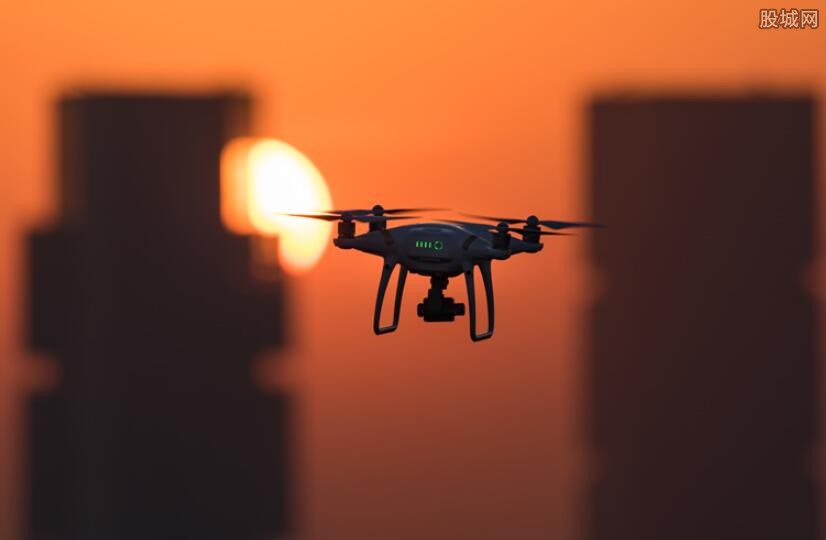 How to improve efficiency through innovative applications of drones in logistics and warehousing?
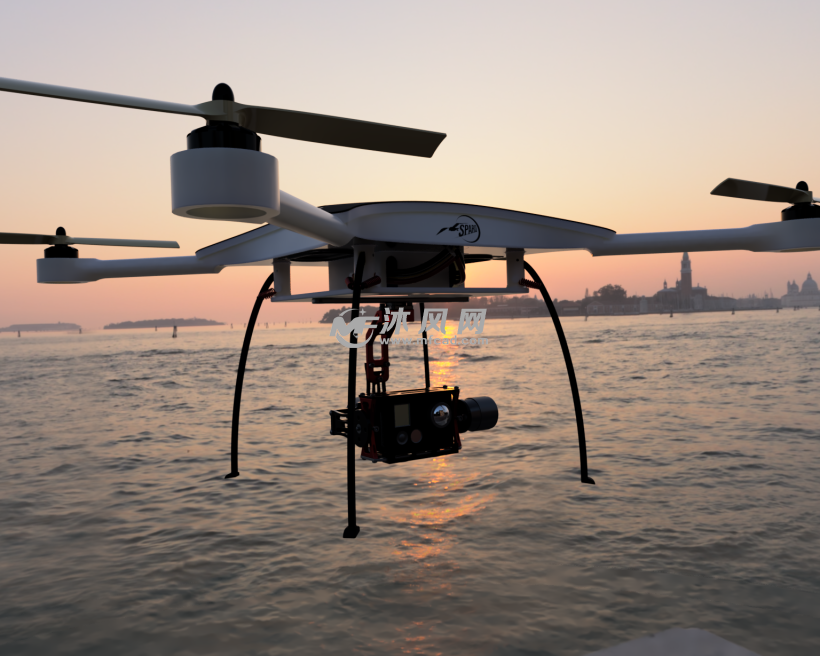 What is the key role of the development of drone battery technology in enhancing endurance capability?
 The development of gesture control interaction functions for drones, the principle of recognizing gestures and executing them?