


How to quickly identify the causes of flight faults in the fault diagnosis function of the flight control system?
How to quickly identify the causes of flight faults in the fault diagnosis function of the flight control system?
In various fields such as unmanned aerial vehicles, model aircraft, aerial photography, aerial surveying, agricultural pest control, surveying and mapping, scientific research, and others, the flight control system, as the core control unit of the unmanned aircraft, has a direct impact on the flight safety of the aircraft due to its stability and reliability. However, due to the complexity of the environment and the variability of operating conditions, flight control system failures occur frequently. Fault troubleshooting is an important skill that flight operators must master. This article will delve into the fault diagnosis function of the flight control system and how to quickly identify the causes of flight faults.
1. Fault diagnosis function of the flight control system
The fault diagnosis function of the flight control system refers to the ability of the flight control system to automatically detect and identify its own faults during the flight of the unmanned aircraft, and to issue alarms or take appropriate measures in a timely manner to ensure the safety of the aircraft. The flight control system monitors and analyzes the flight status of the aircraft in real time through sensors, data processing, algorithms, and other technical means, and can quickly locate the problem and take appropriate measures to deal with it once an abnormal condition is detected. This fault diagnosis function can effectively reduce the occurrence of flight faults and improve the flight safety and reliability of the aircraft.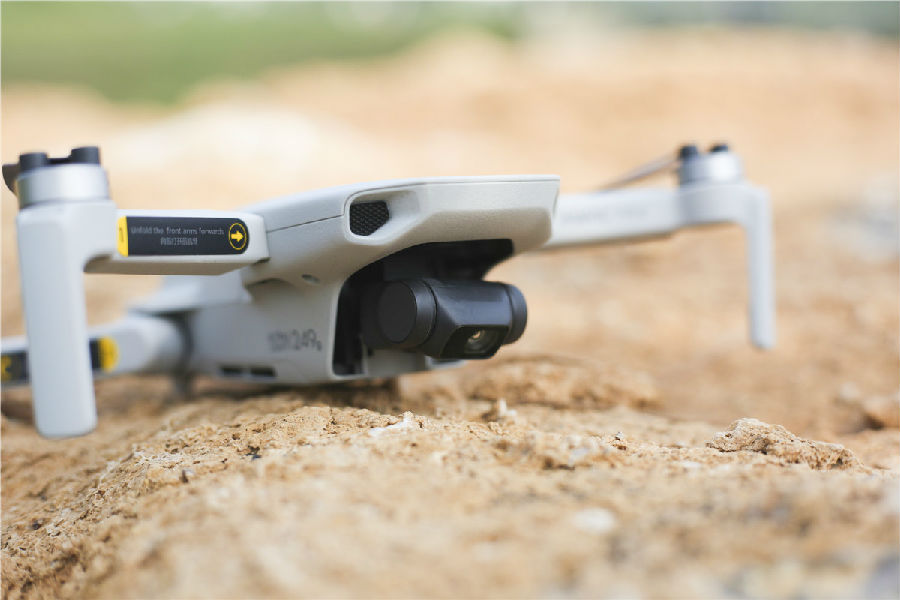
The flight control system usually includes sensors, data processing units, control units, and communication units, among other components. Among them, sensors are used to collect flight status data of the aircraft, such as altitude, speed, attitude, and position; the data processing unit is responsible for processing and analyzing the collected data to determine whether the flight status of the aircraft is normal; the control unit is responsible for controlling the aircraft according to the analysis results of the data processing unit; the communication unit is responsible for transmitting the flight status information of the aircraft to the ground control station so that the operator can have real-time control of the flight status of the aircraft.
The implementation of the fault diagnosis function of the flight control system mainly depends on the sensors and data processing units in the flight control system. Sensors can collect the flight status data of the aircraft in real time, and the data processing unit analyzes these data to determine whether the aircraft has a fault. When the data processing unit finds that the aircraft has a fault, it will issue an alarm and take appropriate measures based on the type and severity of the fault. For example, when the height sensor of the aircraft fails, the flight control system will issue an alarm and try to estimate the height of the aircraft through other sensors to ensure the safety of the aircraft. When the speed sensor of the aircraft fails, the flight control system will try to estimate the speed of the aircraft through other sensors to ensure the safety of the aircraft. When the attitude sensor of the aircraft fails, the flight control system will try to estimate the attitude of the aircraft through other sensors to ensure the safety of the aircraft.
How to quickly identify the causes of flight faults
When the flight control system fails, the operator needs to quickly locate the cause of the fault, take appropriate measures to deal with it, and ensure the safety of the aircraft. The following are several methods for quickly identifying the causes of flight faults:
Observe the flight status of the aircraft: Observe whether the flight status of the aircraft is normal, such as whether the flight altitude, speed, and attitude are within the normal range. If the flight status of the aircraft is abnormal, it may be due to a fault in the flight control system. At this time, it can try to estimate the flight status of the aircraft through other sensors to judge whether the flight control system has a fault.
Check the sensors: Check whether the sensors are working normally, such as the altitude sensor, speed sensor, attitude sensor, etc. If a sensor fails, the flight control system will issue an alarm, and at this time, the faulty sensor needs to be replaced to ensure the safety of the aircraft.
Check the flight control system: Check whether the hardware and software of the flight control system are working normally, such as the control unit, communication unit, etc. If the flight control system fails, the faulty flight control system needs to be replaced to ensure the safety of the aircraft.
Check the data processing unit: Check whether the data processing unit is working normally, such as whether the data processing algorithm is correct. If the data processing unit fails, the faulty data processing unit needs to be replaced to ensure the safety of the aircraft.
Check the communication unit: Check whether the communication unit is working normally, such as whether the communication protocol is correct. If the communication unit fails, the faulty communication unit needs to be replaced to ensure the safety of the aircraft.
Check the operator's operation: Check whether the operator operates the aircraft correctly, such as whether the flight parameters of the aircraft are set correctly. If the operator operates incorrectly, the flight parameters of the aircraft need to be reset to ensure the safety of the aircraft.
In summary, the fault diagnosis function of the flight control system is an important means to ensure the safety of the aircraft. Operators need to master the fault diagnosis function of the flight control system in order to quickly locate the cause of the fault during the flight process, take appropriate measures to deal with it, and ensure the safety of the aircraft.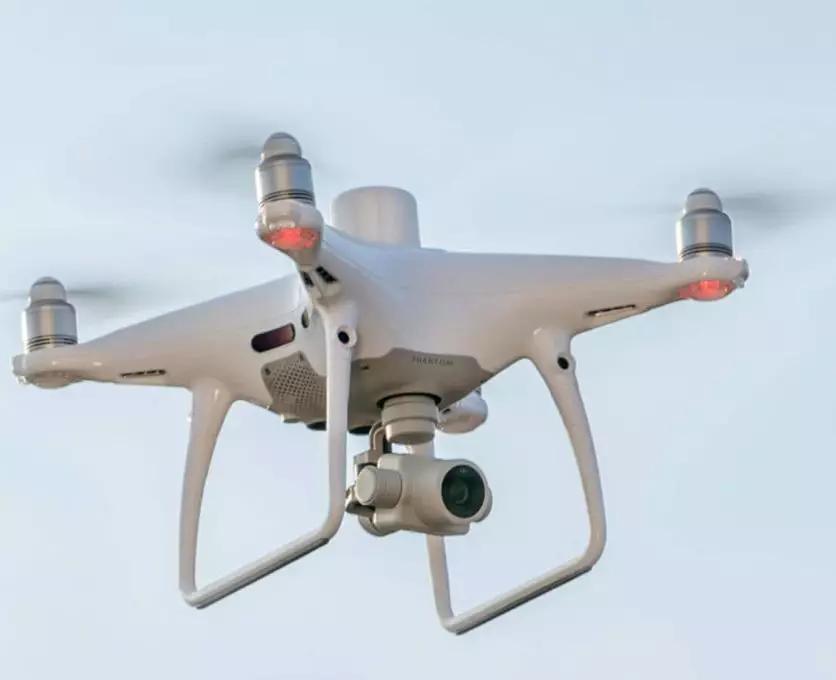
 What factors limit the communication distance of UAVs, and how can it be effectively extended?
 How to improve efficiency through innovative applications of drones in logistics and warehousing?
 What is the key role of the development of drone battery technology in enhancing endurance capability?
 The development of gesture control interaction functions for drones, the principle of recognizing gestures and executing them?